 Open
OpenTwo archives, queried live.
Every record below comes from The Met or Smithsonian Open Access and was filtered on that archive’s own rights field before it reached this page. 24 shown for “Bowl with splashed spots” — 64 records examined, 21 dropped by the rights gate.
Archives queried 2026-08-27 02:42 UTC · fetched live for this request
isPublicDomain field is true for this object.metadata_usage.access reads CC0 — a waiver, not an expired term.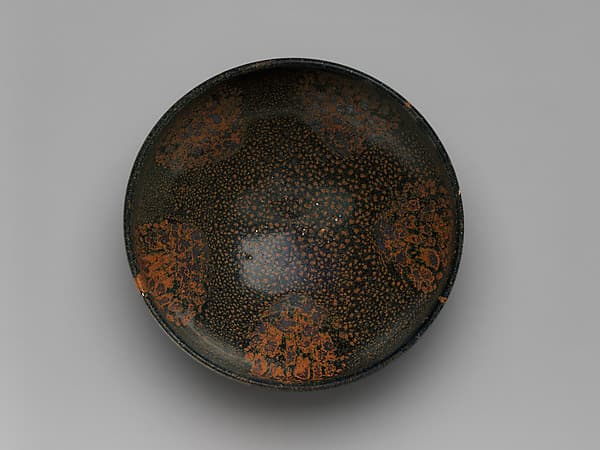
Bowl with splashed spots
Artist not stated in the record · 12th–13th century

Coffee Service
Gorham Manufacturing Company, Providence, Rhode Island, USA, founded 1818 · 1903
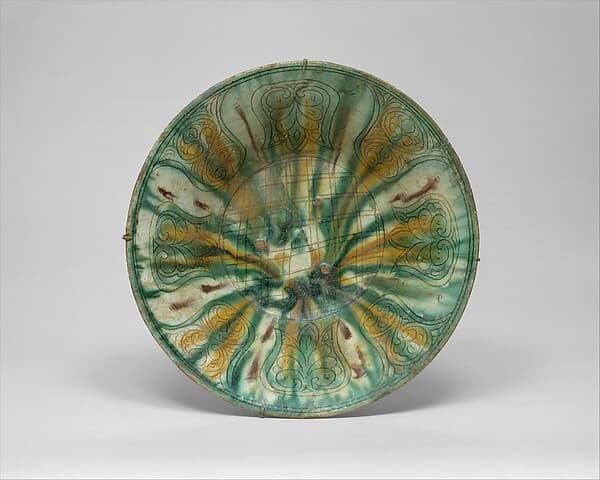
Bowl with Green, Yellow, and Brown Splashed Decoration
Artist not stated in the record · 10th century

Two chalices
Giuseppe Barberi, Italian, 1746–1809 · 1780–1790
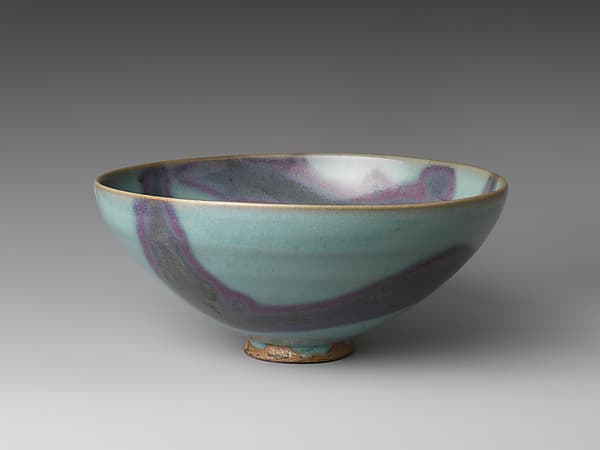
Bowl
Artist not stated in the record · 12th–13th century

Hunting Panthers using Human Excrement
Jan van der Straet, called Stradanus, Flemish, 1523–1605 · 1596 or before
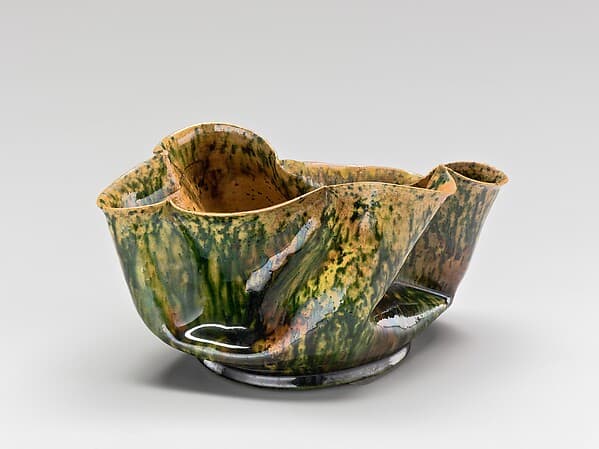
Bowl
George E. Ohr · ca. 1897–1900

Sampler
Artist not stated in the record · 1776
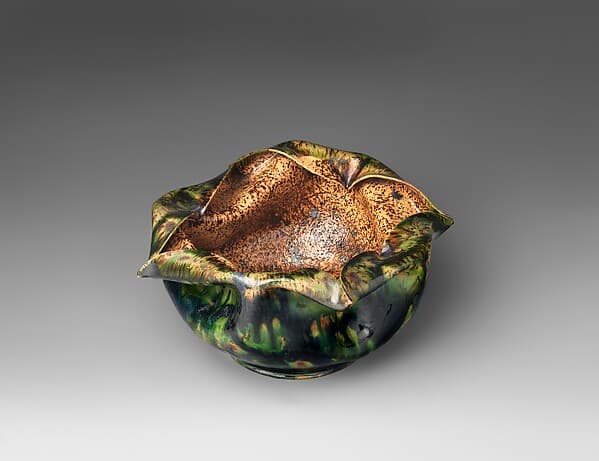
Bowl
George E. Ohr · ca. 1897–1900

Sampler
Artist not stated in the record · ca. 1810
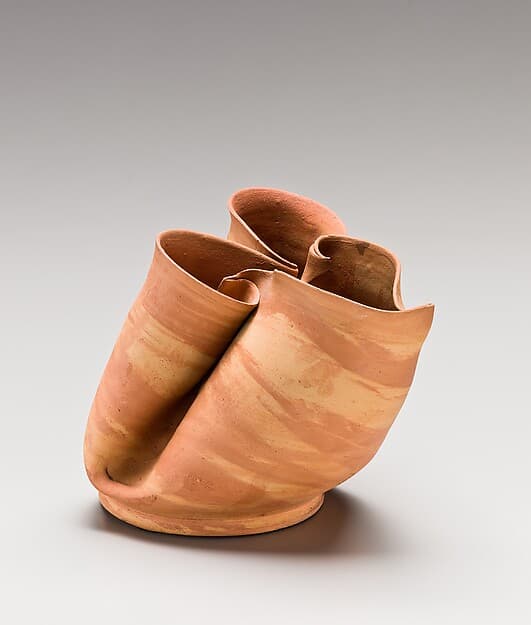
Bowl
George E. Ohr · ca. 1898–1910

Yellow woven pillbox with veil
Clover Lane · 1960s
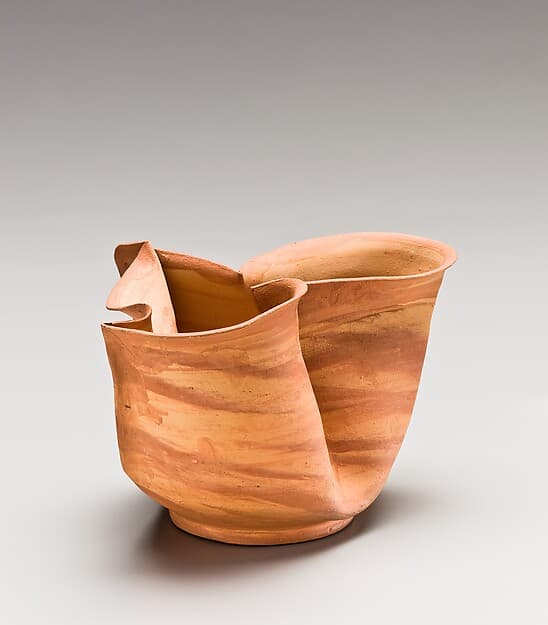
Bowl
George E. Ohr · ca. 1898–1910

Design for Side Serving Table displaying a Vase of China
A.N. Davenport Co. · 1900–05
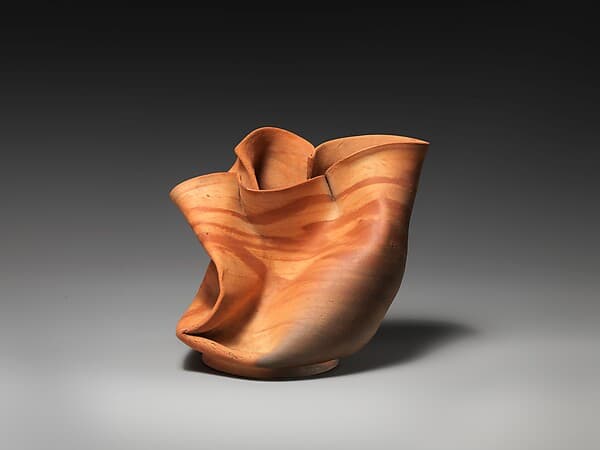
Bowl
George E. Ohr · ca. 1898–1910

Tenmoku style tea bowl, Ryumonji kilns
Artist not stated in the record · 18th-19th century
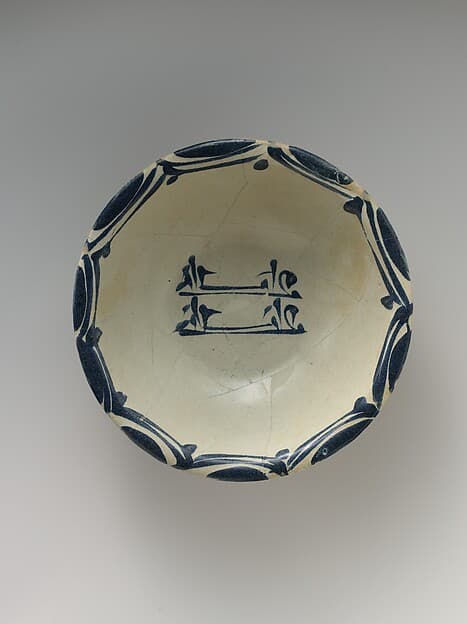
Bowl Emulating Chinese Stoneware
Artist not stated in the record · 9th century

Ohi ware tea bowl
Ohi Doan (died 1839) · late 18th-early 19th century
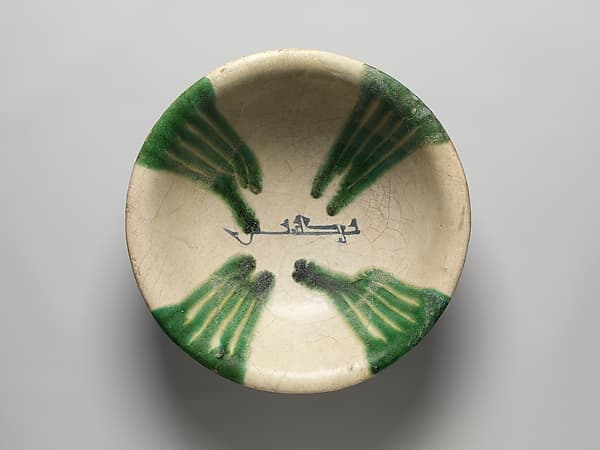
Bowl with Green Splashes
Artist not stated in the record · 9th century

Ōhi ware shallow tea bowl with incised design
Ohi Kambei (died 1802) · second half of 18th century
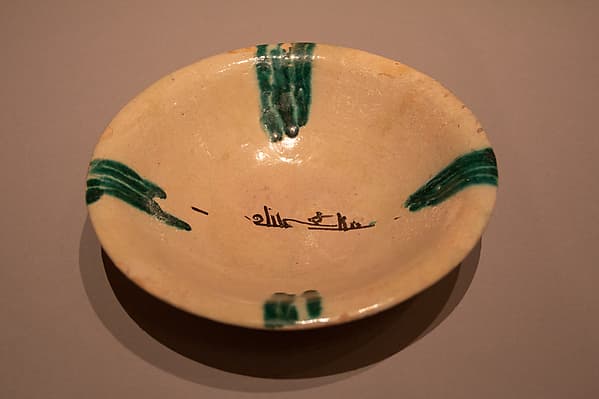
Bowl with Green Splashes and Inscription, "Sovereignty is God's"
Artist not stated in the record · 9th–10th century

Bizen ware tea bowl
Artist not stated in the record · 19th century
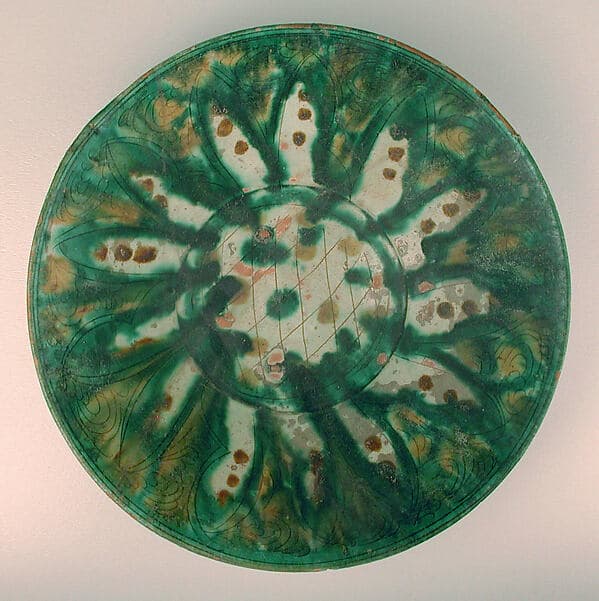
Bowl
Artist not stated in the record · late 9th–early 10th century

Marble-top wash stand from the home of Robert Smalls
Unidentified · 1870-1875
Where these records came from.
Two archives are wired, and only two. Each one is filtered on its own rights field — never on a title match, and never on the presence of an image file.
- The Met Collection API (Open Access)Rights field:
isPublicDomain. 127 matched · 24 examined · 0 dropped by the rights gate. Kept only where isPublicDomain === true and a file URL was published.12 shown - Smithsonian Open Access API (api.si.edu)Rights field:
content.descriptiveNonRepeating.metadata_usage.access. 272666 matched · 40 examined · 21 dropped by the rights gate. Kept only where metadata_usage.access === "CC0" and an image resource was published.12 shown
These figures describe the pass run at 2026-08-27 02:42 UTC, during this request. A completed pass is kept for 24 hours and replayed for an identical search, which is what keeps repeated queries inside Smithsonian’s 30-requests-per-hour allowance. A pass in which either archive failed to answer is never kept — an outage must not be replayed as though it were a finding about the catalogue.
Wikimedia Commons and the Library of Congress are deliberately not wired. Wikimedia was confirmed, on a live query, to return CC-BY material inside the same result set as genuine public domain works, and filtering it safely has not been designed yet. loc.gov was blocked by bot detection during the source evaluation, so its rights vocabulary has never been observed — and nothing here is built on a field nobody has read.
An image file is a rights claim. It never travels without its field.