 Open
OpenTwo archives, queried live.
Every record below comes from The Met or Smithsonian Open Access and was filtered on that archive’s own rights field before it reached this page. 22 shown for “Buff Ware Fragment with Horned Animals” — 64 records examined, 29 dropped by the rights gate.
Archives queried 2026-08-28 10:45 UTC · fetched live for this request
isPublicDomain field is true for this object.metadata_usage.access reads CC0 — a waiver, not an expired term.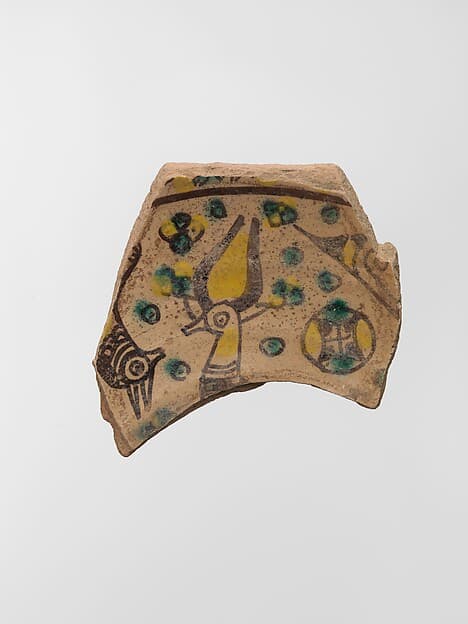
Buff Ware Fragment with Horned Animals
Artist not stated in the record · 9th–10th century

shard
Artist not stated in the record · 2nd–3rd century
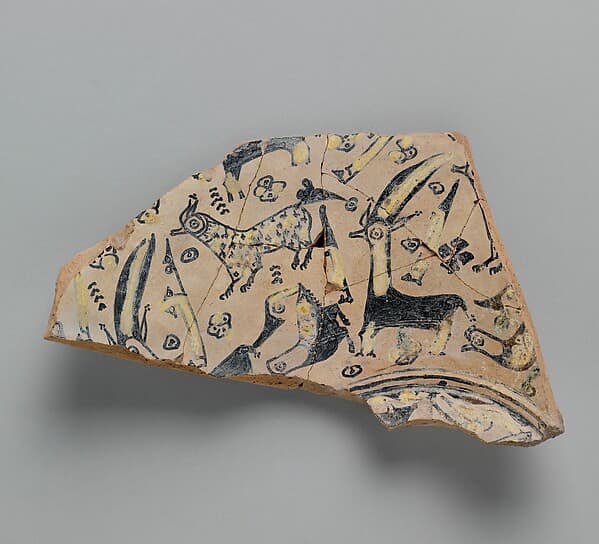
Buff Ware Fragment with Animal Decoration
Artist not stated in the record · 9th century

Milk Jug with Horn of Plenty and Flowers
Artist not stated in the record · mid-18th century
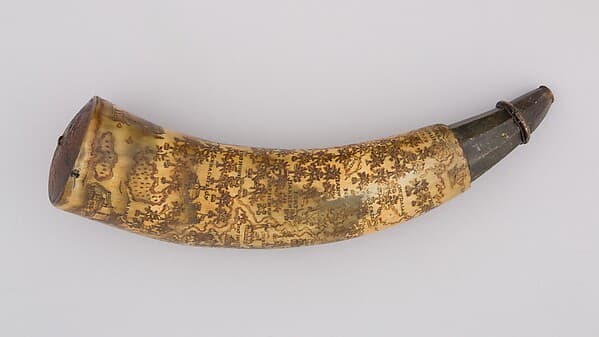
Powder Horn
Artist not stated in the record · dated 1759

Jar (fragment)
Artist not stated in the record · 11th-12th century
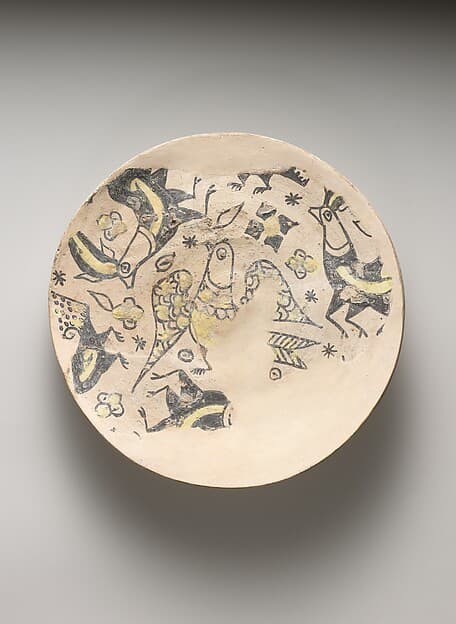
Base of a Footed Buff Ware Vessel
Artist not stated in the record · late 8th–9th century

Fragment
Artist not stated in the record · 4th–5th century
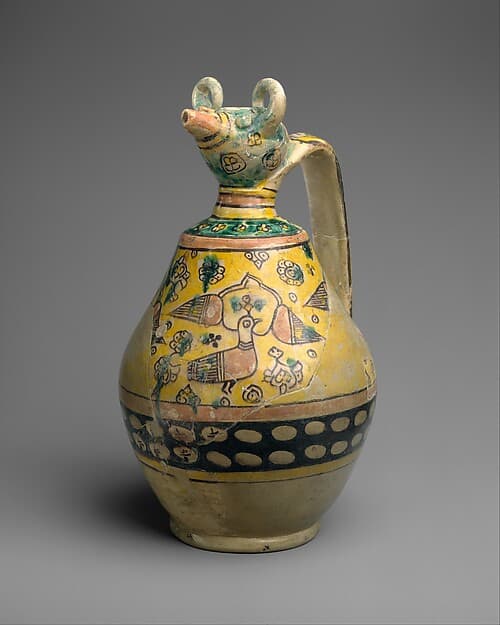
Animal-Spouted Pitcher
Artist not stated in the record · 9th–10th century

Fragment
Artist not stated in the record · late 18th century
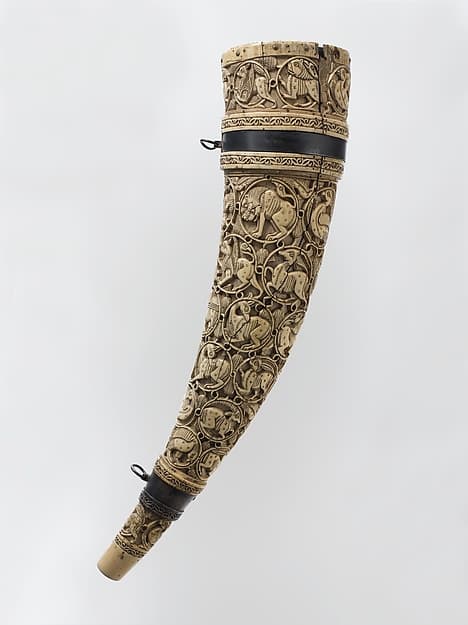
Horn (Oliphant) with Case
Artist not stated in the record · horn, 11th–12th century; case, 16th century

Fragment
Artist not stated in the record · late 18th century
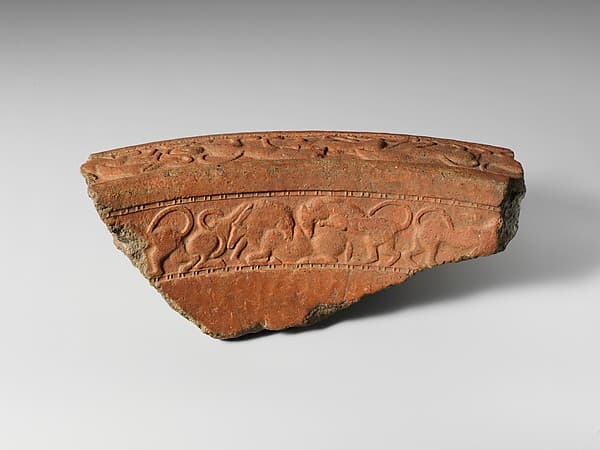
Terracotta brazier fragment
Artist not stated in the record · ca. 540–530 BCE

Fragment
Artist not stated in the record · 12th–14th century
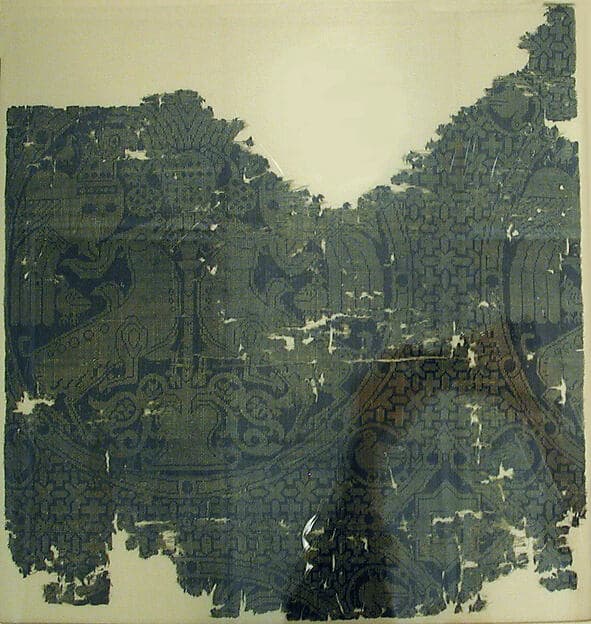
Textile with Birds and Horned Quadrupeds Flanking a Tree of Life
Artist not stated in the record · 11th–12th century

Textile
Artist not stated in the record · ca. 1855
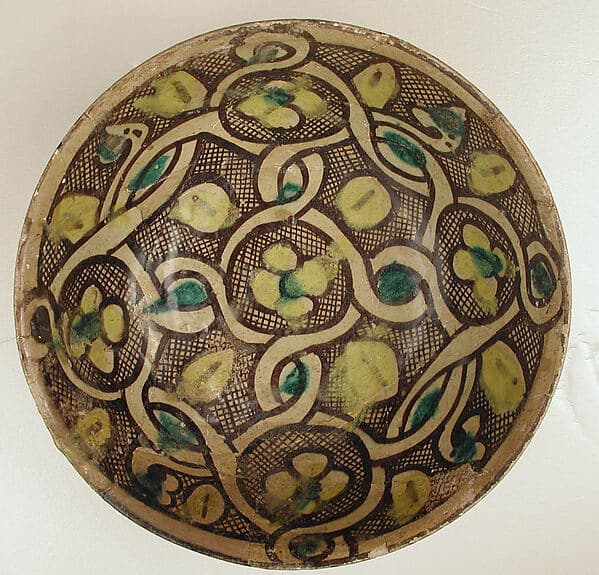
Bowl with Interlace Pattern and Yellow Flowers
Artist not stated in the record · 9th century

Fragment
Artist not stated in the record · before 1536
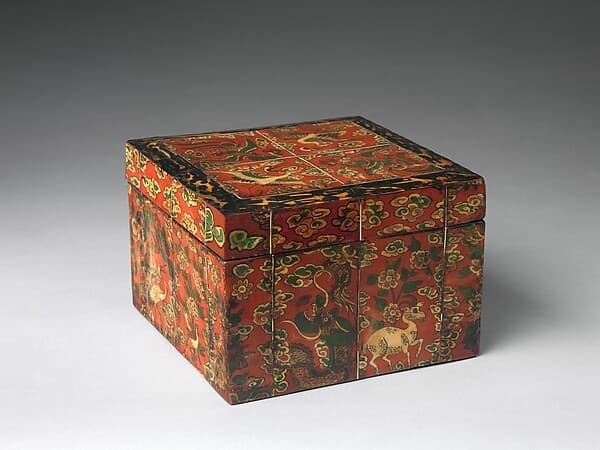
Box decorated with auspicious symbols
Artist not stated in the record · 19th century

Textile
Artist not stated in the record · ca. 1855
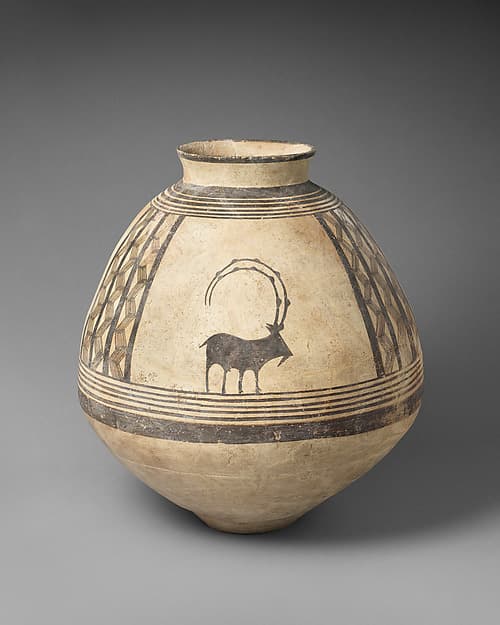
Storage jar decorated with mountain goats
Artist not stated in the record · ca. 4000–3600 BCE
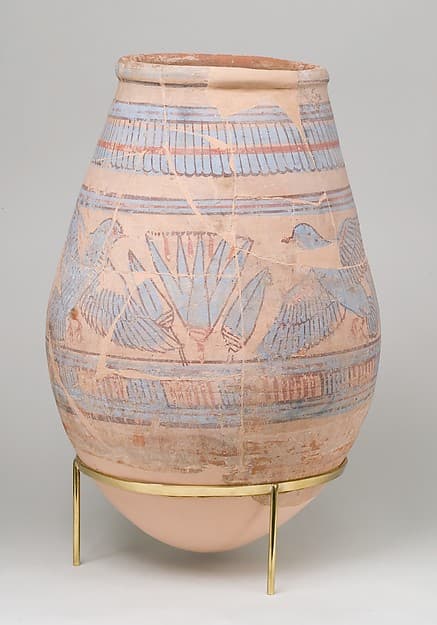
Blue-painted Jar from Malqata
Artist not stated in the record · ca. 1386–1347 BCE
Where these records came from.
Two archives are wired, and only two. Each one is filtered on its own rights field — never on a title match, and never on the presence of an image file.
- The Met Collection API (Open Access)Rights field:
isPublicDomain. 117 matched · 24 examined · 0 dropped by the rights gate. Kept only where isPublicDomain === true and a file URL was published.12 shown - Smithsonian Open Access API (api.si.edu)Rights field:
content.descriptiveNonRepeating.metadata_usage.access. 1430451 matched · 40 examined · 29 dropped by the rights gate. Kept only where metadata_usage.access === "CC0" and an image resource was published.11 shown
These figures describe the pass run at 2026-08-28 10:45 UTC, during this request. A completed pass is kept for 24 hours and replayed for an identical search, which is what keeps repeated queries inside Smithsonian’s 30-requests-per-hour allowance. A pass in which either archive failed to answer is never kept — an outage must not be replayed as though it were a finding about the catalogue.
Wikimedia Commons and the Library of Congress are deliberately not wired. Wikimedia was confirmed, on a live query, to return CC-BY material inside the same result set as genuine public domain works, and filtering it safely has not been designed yet. loc.gov was blocked by bot detection during the source evaluation, so its rights vocabulary has never been observed — and nothing here is built on a field nobody has read.
An image file is a rights claim. It never travels without its field.