 Open
OpenTwo archives, queried live.
Every record below comes from The Met or Smithsonian Open Access and was filtered on that archive’s own rights field before it reached this page. 24 shown for “Candle Stand in the Shape of a Fantastic Animal” — 64 records examined, 2 dropped by the rights gate.
Archives queried 2026-09-03 05:20 UTC · fetched live for this request
isPublicDomain field is true for this object.metadata_usage.access reads CC0 — a waiver, not an expired term.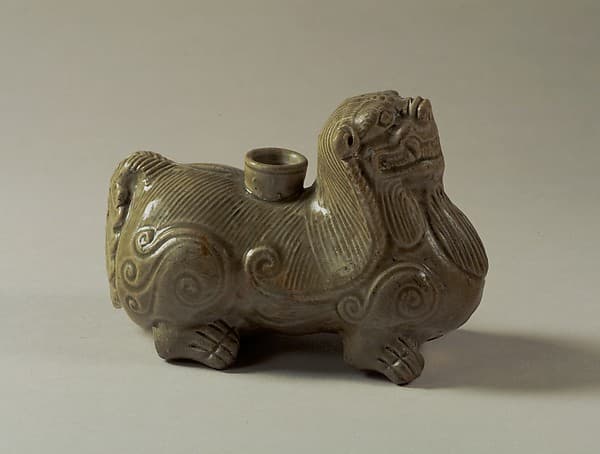
Candle Stand in the Shape of a Fantastic Animal
Artist not stated in the record

Design for Two Gilt Bronze Chandeliers
Jean Démosthène Dugourc, French, 1749–1825 · 1777
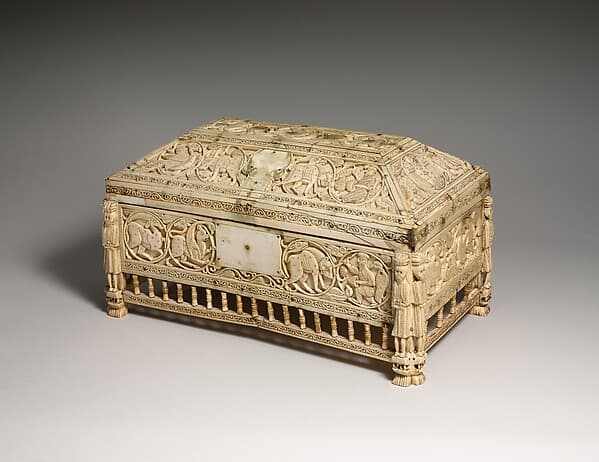
Morgan Casket
Artist not stated in the record · 11th–12th century

Recto: candlesticks; Verso: mausoleum in a church-like hall
Giuseppe Barberi, Italian, 1746–1809 · 1789–1793
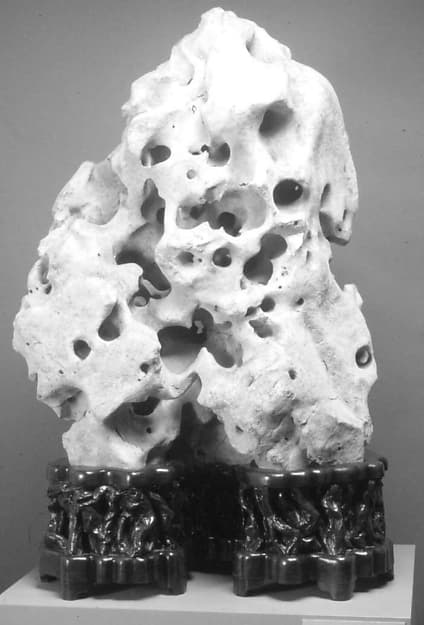
Rock in the form of a fantastic mountain
Artist not stated in the record · 20th century

Project for a candelabrum
Artist not stated in the record · 1791
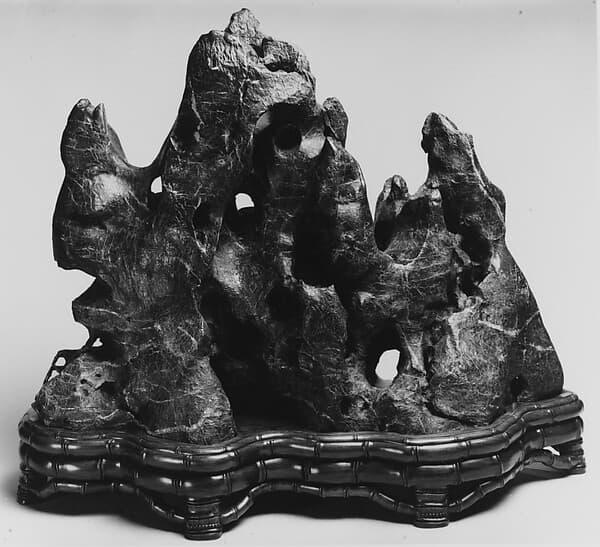
Rock in the form of a fantastic mountain
Artist not stated in the record · 18th–19th century (?)

Project for a candelabrum
Artist not stated in the record · 1791
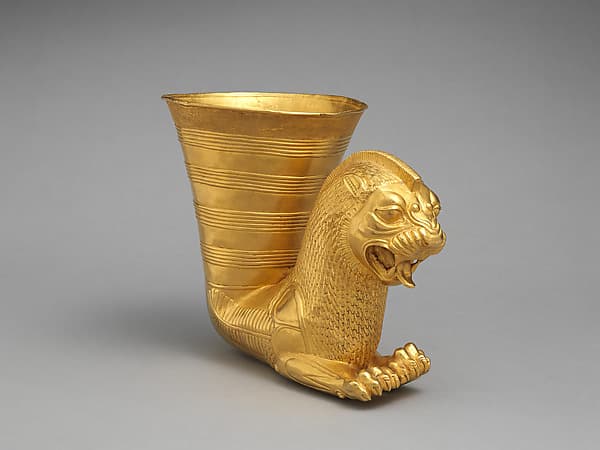
Vessel terminating in the forepart of a fantastic leonine creature
Artist not stated in the record · ca. 5th century BCE

Console table with candlestick
Giuseppe Barberi, Italian, 1746–1809 · ca. 1795
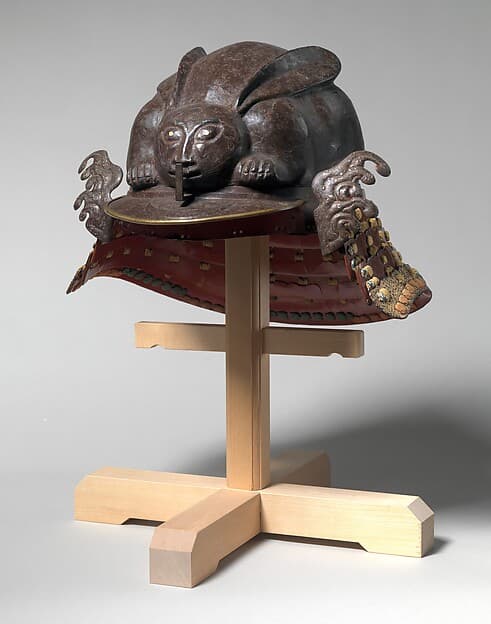
Helmet in the Shape of a Crouching Rabbit
Artist not stated in the record · 17th century

Round table with candlestick
Giuseppe Barberi, Italian, 1746–1809 · ca. 1795
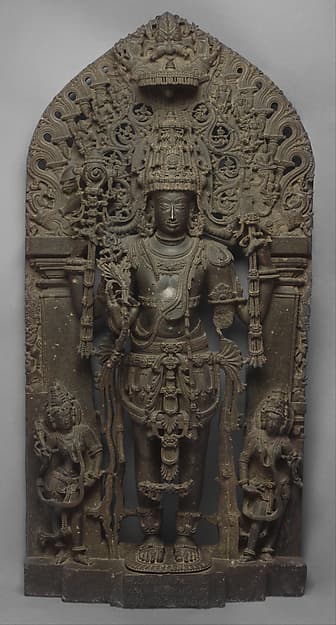
Standing Vishnu as Keshava
Dasoja of Balligrama · first quarter of the 12th century

Design for an Altar
Giuseppe Barberi, Italian, 1746–1809 · 1746-1809
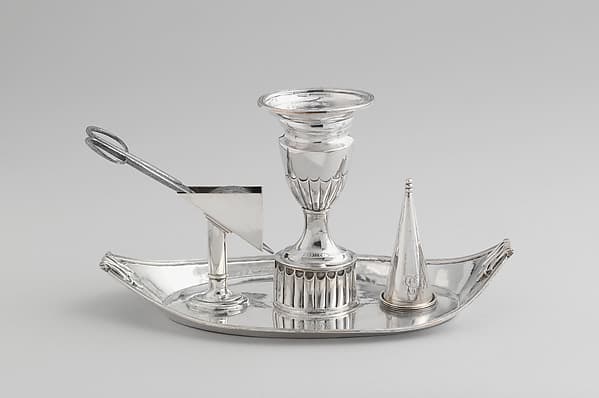
Candle Holder
Joseph Lownes · 1790–1810

The elevation of a tower-like structure for a firework at the feast of St. Rosalia in Palermo
Artist not stated in the record · 1780–1810
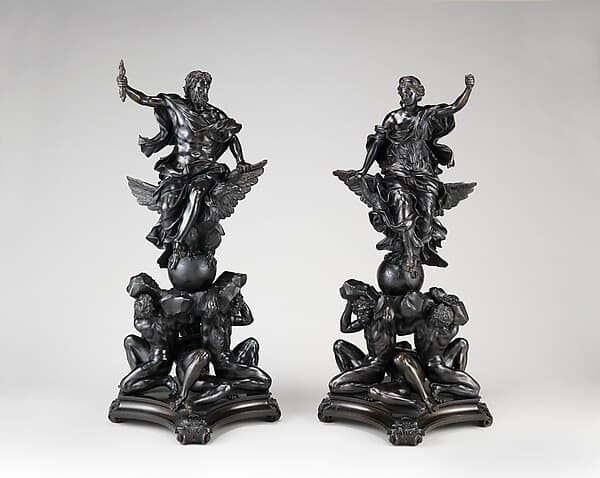
Andiron with figure of Juno (chenet) (one of a pair)
Alessandro Algardi · late 17th century

Design for a Candelabrum and a Crucifix
Artist not stated in the record · 1803
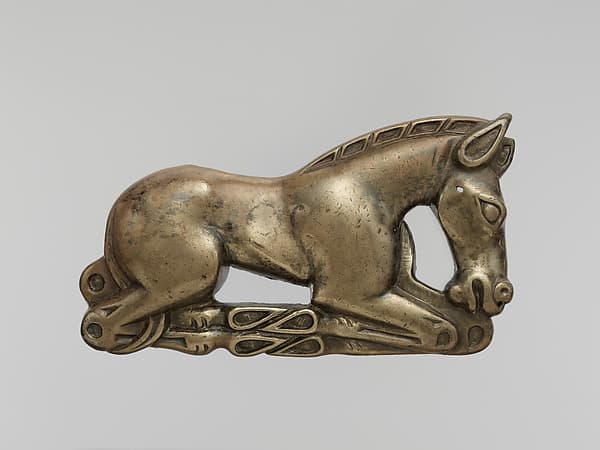
Belt plaque in the shape of a kneeling horse
Artist not stated in the record · 3rd–1st century BCE

Design for a Fantastic Goblet
Artist not stated in the record · 1630–60
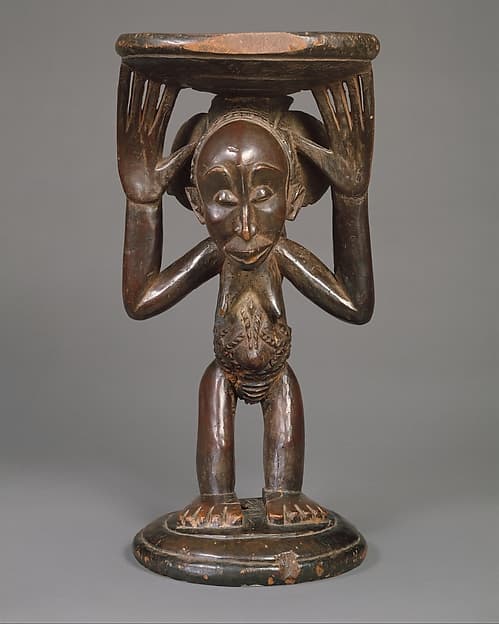
Lupona (royal seat)
Ngongo ya Chintu, formerly known as the "Buli Master" · ca. 1840–1870

Candlestick
Giuseppe Barberi, Italian, 1746–1809 · ca. 1780
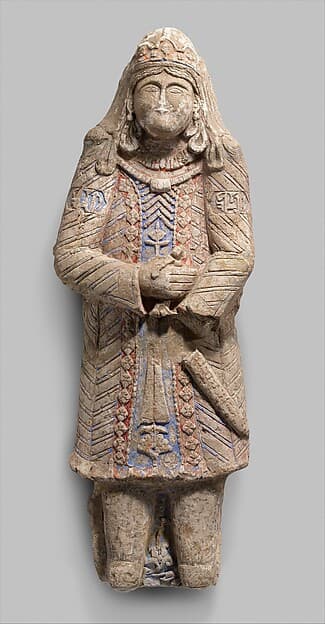
Standing Figure with Jeweled Headdress
Artist not stated in the record · 12th–early 13th century

Design for a Set of Silver Tableware
Pietro Belli, Italian, 1780–1828 · 1815–30
Where these records came from.
Two archives are wired, and only two. Each one is filtered on its own rights field — never on a title match, and never on the presence of an image file.
- The Met Collection API (Open Access)Rights field:
isPublicDomain. 3112 matched · 24 examined · 0 dropped by the rights gate. Kept only where isPublicDomain === true and a file URL was published.12 shown - Smithsonian Open Access API (api.si.edu)Rights field:
content.descriptiveNonRepeating.metadata_usage.access. 7484593 matched · 40 examined · 2 dropped by the rights gate. Kept only where metadata_usage.access === "CC0" and an image resource was published.12 shown
These figures describe the pass run at 2026-09-03 05:20 UTC, during this request. A completed pass is kept for 24 hours and replayed for an identical search, which is what keeps repeated queries inside Smithsonian’s 30-requests-per-hour allowance. A pass in which either archive failed to answer is never kept — an outage must not be replayed as though it were a finding about the catalogue.
Wikimedia Commons and the Library of Congress are deliberately not wired. Wikimedia was confirmed, on a live query, to return CC-BY material inside the same result set as genuine public domain works, and filtering it safely has not been designed yet. loc.gov was blocked by bot detection during the source evaluation, so its rights vocabulary has never been observed — and nothing here is built on a field nobody has read.
An image file is a rights claim. It never travels without its field.