 Open
OpenTwo archives, queried live.
Every record below comes from The Met or Smithsonian Open Access and was filtered on that archive’s own rights field before it reached this page. 24 shown for “Cartouche-shaped plaque with the names of Apries” — 64 records examined, 7 dropped by the rights gate.
Archives queried 2026-09-04 21:49 UTC · fetched live for this request
isPublicDomain field is true for this object.metadata_usage.access reads CC0 — a waiver, not an expired term.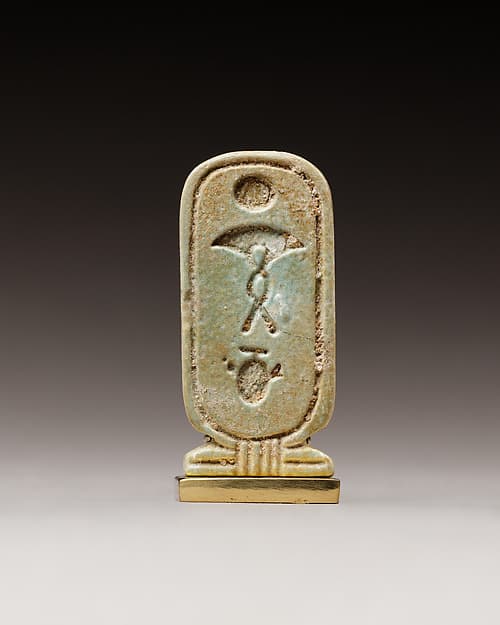
Cartouche-shaped plaque with the names of Apries
Artist not stated in the record · 589–570 BCE

L’ASTRONOMIE / LA GÉOGRAPHIE
Artist not stated in the record · mid- 18th–late 18th century
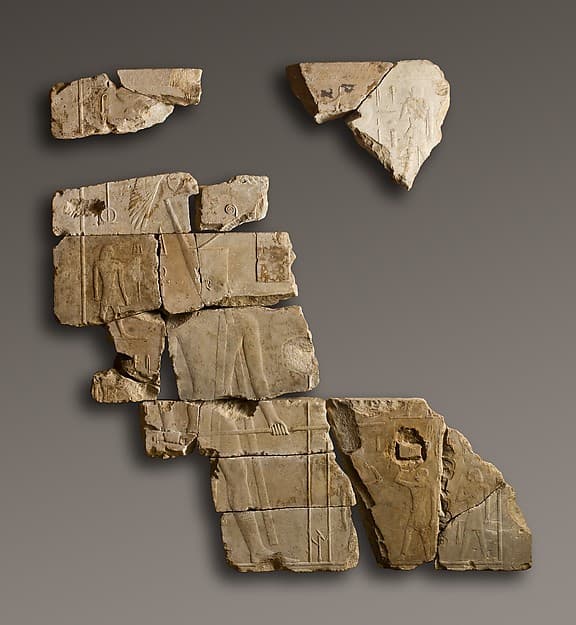
Relief from the Palace of Apries in Memphis
Artist not stated in the record · 589–570 BCE

Design for Renaissance-Style Sideboard in Plan and Elevation
A.N. Davenport Co. · 1900–05
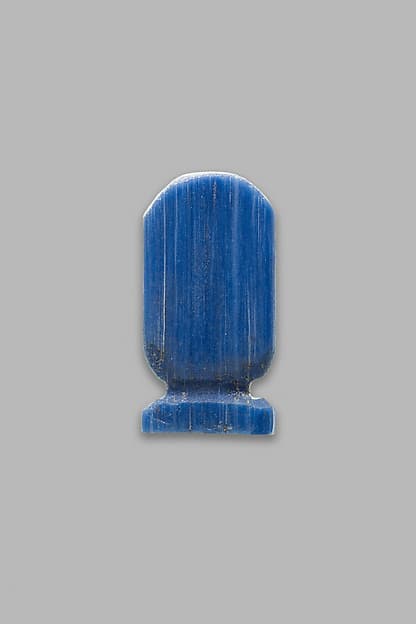
Uninscribed Cartouche-Shaped Plaque
Artist not stated in the record · ca. 1166–1158 BCE

Folding Knife with Engraved Floral Decoration and Lion Cartouche
Artist not stated in the record · ca. 1700
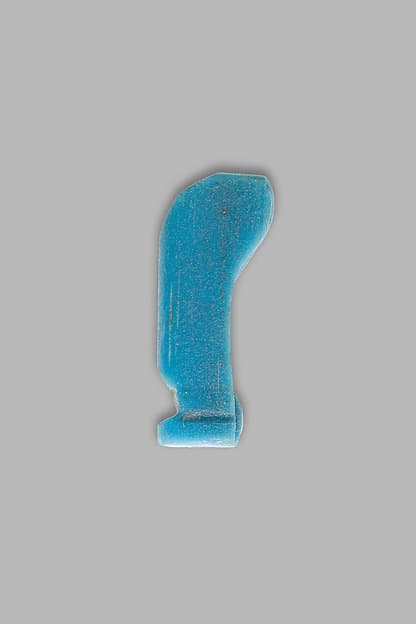
Cartouche-Shaped Plaque Fragment
Artist not stated in the record · ca. 1166–1158 BCE

Cartouche Designs
Alexis-Nicolas Pérignon, French, 1726 – 1782 · 1759
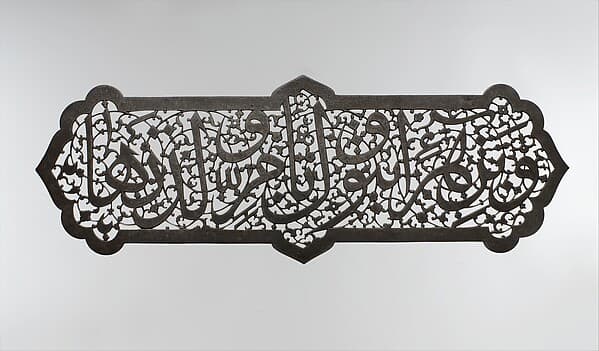
Calligraphic Plaque
Artist not stated in the record · probably late 17th century

Interior Wall Elevation
François II de Poilly, French, 1666 – 1741 · 1696–1740
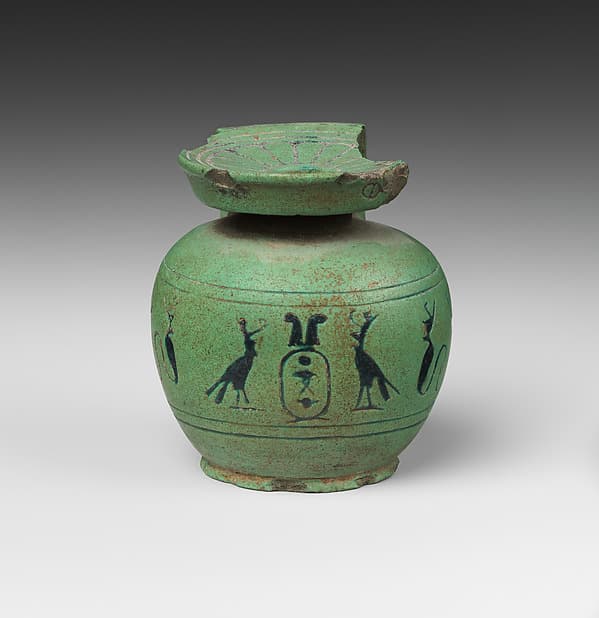
Aryballos with the name Wahibre, probably referring to Apries
Artist not stated in the record · 589–570 BCE or later

Heart Shaped Cartouche
Antoine Watteau, French, 1684–1721 · 1723-1735
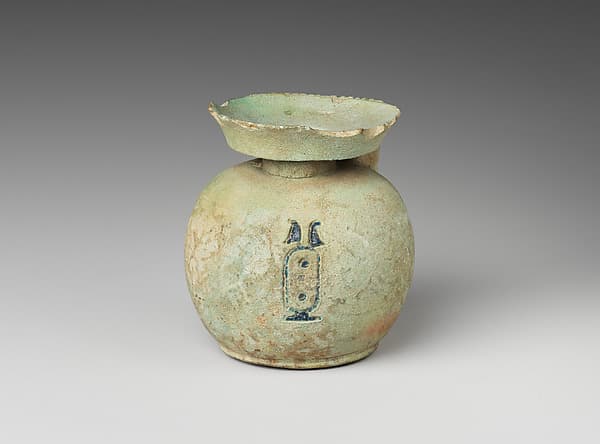
Jar (Aryballos) with a cartouche derived from names of Apries or Amasis
Artist not stated in the record · 664–343 BCE

George III silver sugar sifter ladle
Artist not stated in the record · 1815
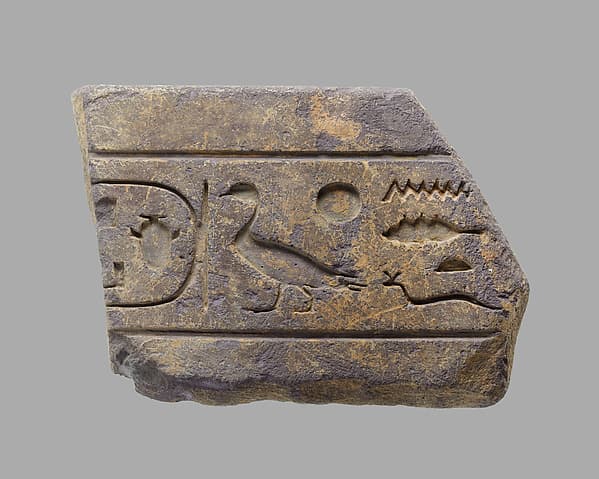
Basin fragment with the name of Apries
Artist not stated in the record · 589–570 BCE

Le Printemps
Antoine Watteau, French, 1684–1721 · 1723-1735
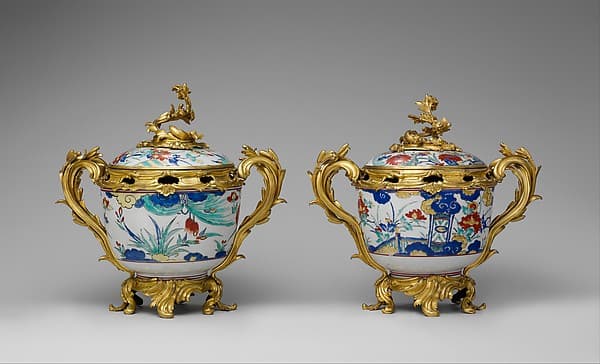
Potpourri bowl with cover (one of a pair)
Artist not stated in the record · porcelain late 17th century, mounts ca. 1745–50

page Three from "Cinquième Livre Contenant des Cartouches Inventés par G. M. Oppenort Architecte du Roi et Gravé par Huquier"
Gilles-Marie Oppenord, French, 1672–1742 · after 1751
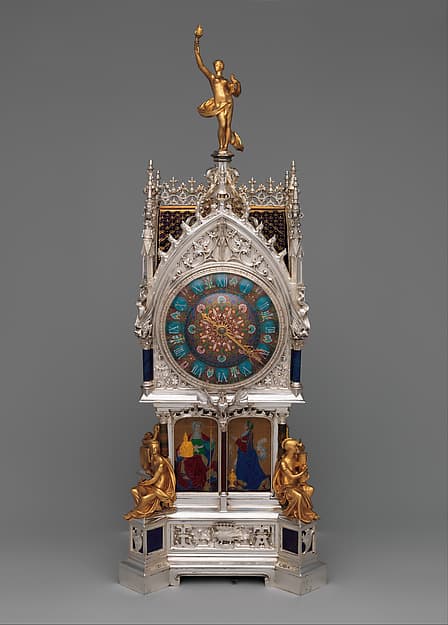
Table clock with calendar
Lucien Falize · 1881

Portrait of S. Francesco Xavier (1506-1552)
Artist not stated in the record · ca. 1750
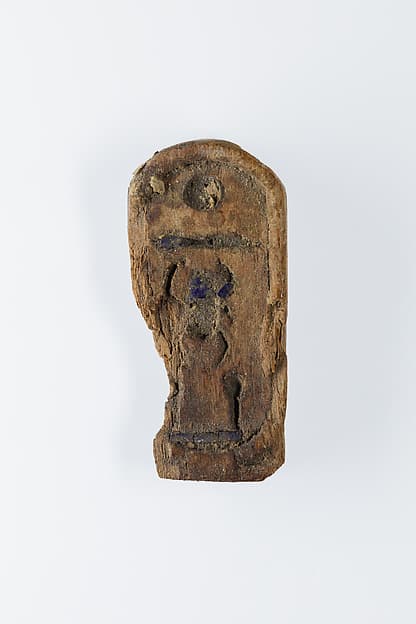
Cartouche-Shaped Inlay with the Name of Thutmose I
Artist not stated in the record · ca. 1550–1300 BCE

Arabesque Ornament Designs
Claude Gillot, French, 1673–1722 · 1749–61
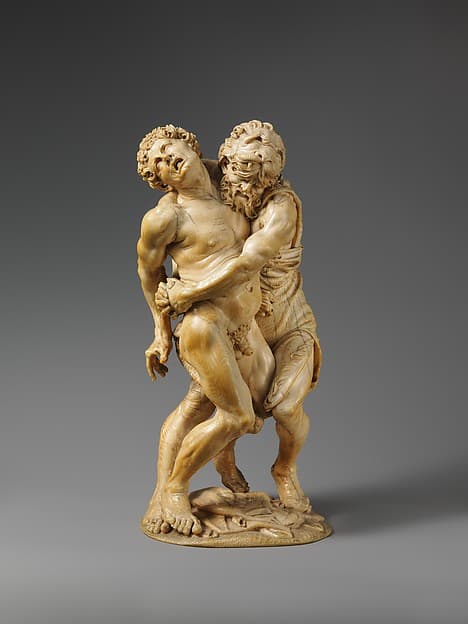
Hercules and Achelous
Master of the Martyrdom of St. Sebastian · probably mid-17th century

Trophy awarded to the Texas Southern University Debate Team
Artist not stated in the record · 1967
Where these records came from.
Two archives are wired, and only two. Each one is filtered on its own rights field — never on a title match, and never on the presence of an image file.
- The Met Collection API (Open Access)Rights field:
isPublicDomain. 2447 matched · 24 examined · 0 dropped by the rights gate. Kept only where isPublicDomain === true and a file URL was published.12 shown - Smithsonian Open Access API (api.si.edu)Rights field:
content.descriptiveNonRepeating.metadata_usage.access. 288 matched · 40 examined · 7 dropped by the rights gate. Kept only where metadata_usage.access === "CC0" and an image resource was published.12 shown
These figures describe the pass run at 2026-09-04 21:49 UTC, during this request. A completed pass is kept for 24 hours and replayed for an identical search, which is what keeps repeated queries inside Smithsonian’s 30-requests-per-hour allowance. A pass in which either archive failed to answer is never kept — an outage must not be replayed as though it were a finding about the catalogue.
Wikimedia Commons and the Library of Congress are deliberately not wired. Wikimedia was confirmed, on a live query, to return CC-BY material inside the same result set as genuine public domain works, and filtering it safely has not been designed yet. loc.gov was blocked by bot detection during the source evaluation, so its rights vocabulary has never been observed — and nothing here is built on a field nobody has read.
An image file is a rights claim. It never travels without its field.