 Open
OpenTwo archives, queried live.
Every record below comes from The Met or Smithsonian Open Access and was filtered on that archive’s own rights field before it reached this page. 24 shown for “Chariot Yoke Ornament in the Shape of Recumbent Ram” — 64 records examined, 8 dropped by the rights gate.
Archives queried 2026-09-05 04:40 UTC · fetched live for this request
isPublicDomain field is true for this object.metadata_usage.access reads CC0 — a waiver, not an expired term.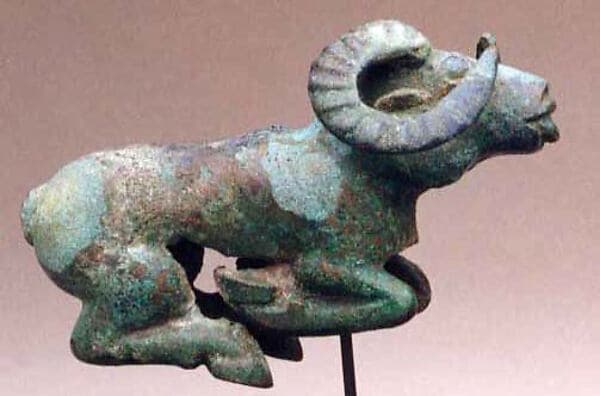
Chariot Yoke Ornament in the Shape of Recumbent Ram
Artist not stated in the record · 5th–4th century BCE

Ornamental Vase Design
François Boucher, French, 1703–1770 · ca. 1738
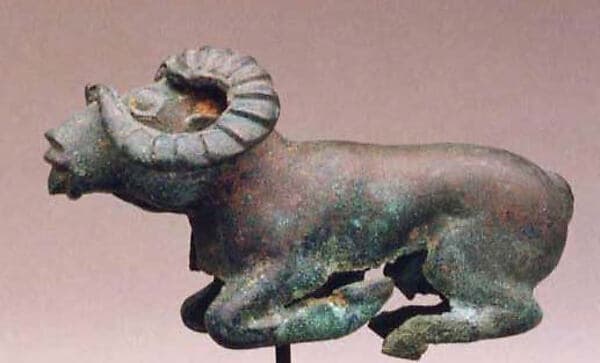
Chariot Yoke Ornament in the Shape of Recumbent Ram
Artist not stated in the record · 5th–4th century BCE

Design for a Ceiling
Artist not stated in the record · 18th century
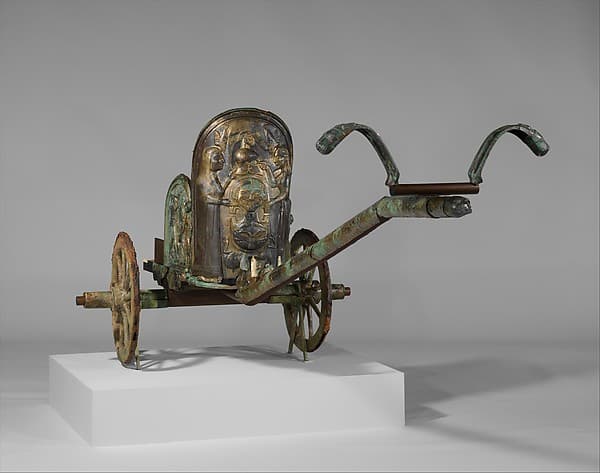
Bronze chariot inlaid with ivory
Artist not stated in the record · 2nd quarter of the 6th century BCE

Ornamental Vase Design
François Boucher, French, 1703–1770 · 1738–72
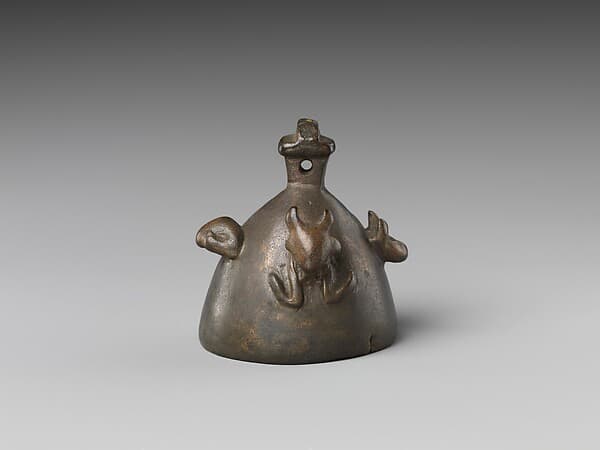
Bell with heads of a ram, a jackal, and a bovine wearing a yoke ending in uraei
Artist not stated in the record · 332–30 BCE

Recumbent ram
Artist not stated in the record · 1368-1644
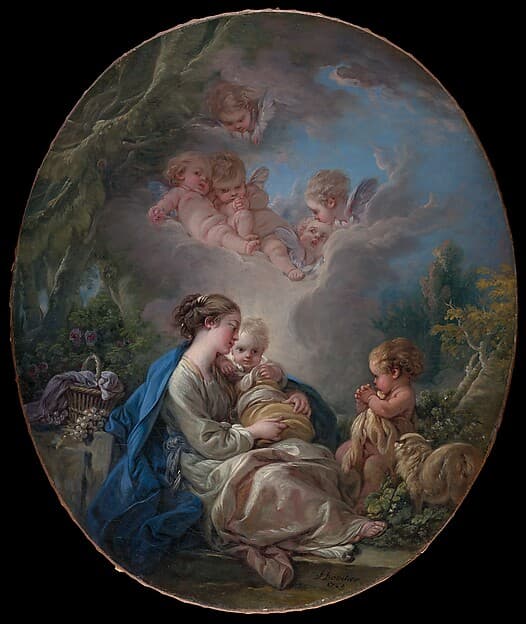
Virgin and Child with the Young Saint John the Baptist and Angels
François Boucher · 1765

Ornament Design
Jean-Bernard Turreau, French, 1672 - 1731 · 1716-19
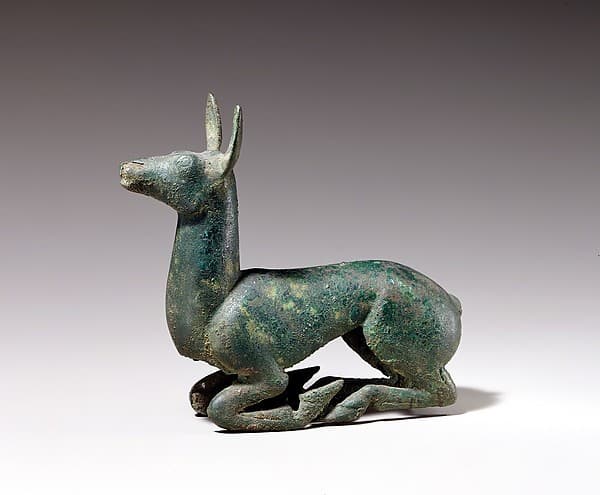
Chariot Yoke Ornament in the Shape of a Recumbent Doe
Artist not stated in the record · 5th–4th century BCE

Ornamental Vase Design
P. Moithey, French, active 18th century · 1767
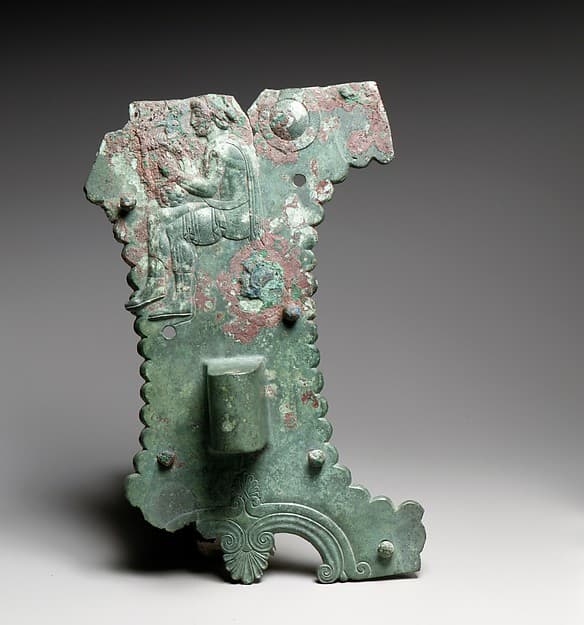
Bronze and iron fittings from a cart or chariot
Artist not stated in the record · ca. 500–480 BCE

Char de la Ville
Jean François Blondel, French, 1681–1756 · 1751
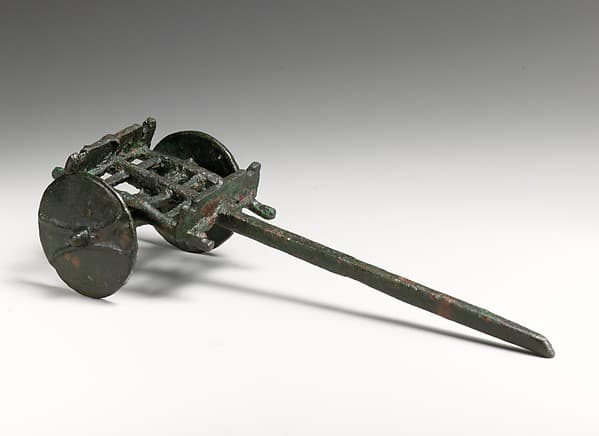
Bronze model of a cart with farmyard group
Artist not stated in the record · 2nd century BCE–1st century CE

Ornament Design with Apollo on his Chariot
Juste-Aurèle Meissonnier, French, b. Italy, 1695–1750 · 1748
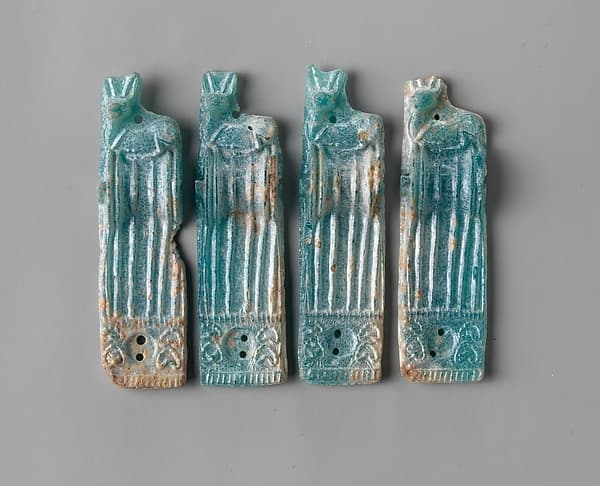
Glass ornaments with recumbent deer
Artist not stated in the record · ca. 1370–1200 BCE

Triumph of Apollo and Aurora
Jan van der Straet, called Stradanus, Flemish, 1523–1605 · ca. 1585–1590
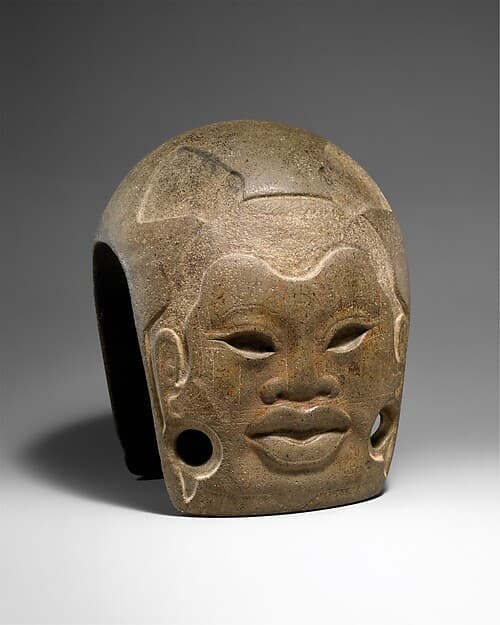
Yuguito (ritual object)
Olmec artist(s) · 1300–400 BCE

Six Octagonal Compostions, Hercules and Hebe, Two Foliated Ornaments, Sala di Ercole e Ebe, Palazzo Gessi
Felice Giani, Italian, 1758–1823 · 1813
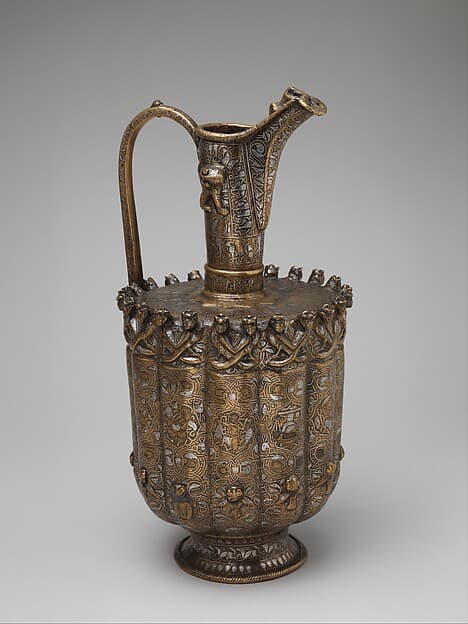
Ewer
Artist not stated in the record · ca. 1180–1210

Ornamental Vase Design
Joseph Marie Vien, French, 1716–1809 · 1760
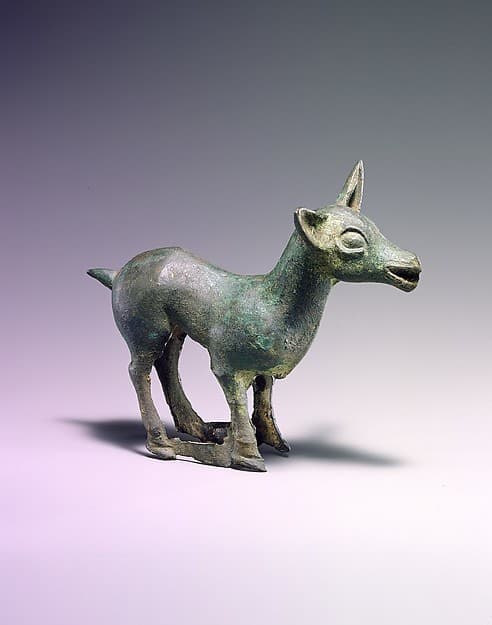
Chariot Yoke Ornament in the Shape of a Doe
Artist not stated in the record · ca. 4th century BCE

Designs for Twelve Earrings
Salvatori, Italian, active 19th century · 1865–70
Where these records came from.
Two archives are wired, and only two. Each one is filtered on its own rights field — never on a title match, and never on the presence of an image file.
- The Met Collection API (Open Access)Rights field:
isPublicDomain. 119 matched · 24 examined · 0 dropped by the rights gate. Kept only where isPublicDomain === true and a file URL was published.12 shown - Smithsonian Open Access API (api.si.edu)Rights field:
content.descriptiveNonRepeating.metadata_usage.access. 7484567 matched · 40 examined · 8 dropped by the rights gate. Kept only where metadata_usage.access === "CC0" and an image resource was published.12 shown
These figures describe the pass run at 2026-09-05 04:40 UTC, during this request. A completed pass is kept for 24 hours and replayed for an identical search, which is what keeps repeated queries inside Smithsonian’s 30-requests-per-hour allowance. A pass in which either archive failed to answer is never kept — an outage must not be replayed as though it were a finding about the catalogue.
Wikimedia Commons and the Library of Congress are deliberately not wired. Wikimedia was confirmed, on a live query, to return CC-BY material inside the same result set as genuine public domain works, and filtering it safely has not been designed yet. loc.gov was blocked by bot detection during the source evaluation, so its rights vocabulary has never been observed — and nothing here is built on a field nobody has read.
An image file is a rights claim. It never travels without its field.