 Open
OpenTwo archives, queried live.
Every record below comes from The Met or Smithsonian Open Access and was filtered on that archive’s own rights field before it reached this page. 24 shown for “Costume Design: Persian Prince, for a Stage Production Designed by Giuseppe Galli Bibiena” — 59 records examined, 6 dropped by the rights gate.
Archives queried 2026-09-03 20:36 UTC · fetched live for this request
isPublicDomain field is true for this object.metadata_usage.access reads CC0 — a waiver, not an expired term.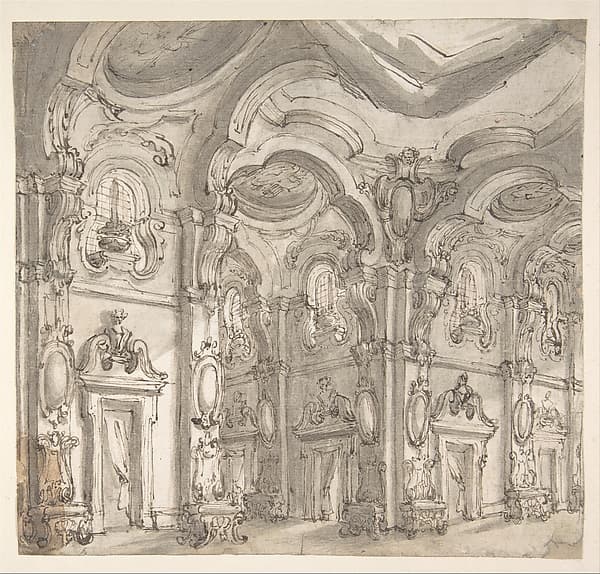
Design for a Stage Set: The Gallery of a Magnificent Palace Decorated with Mirrors
Giuseppe Galli Bibiena · 1696–1756

Costume Design: Persian Prince, for a Stage Production Designed by Giuseppe Galli Bibiena
Artist not stated in the record · 1719
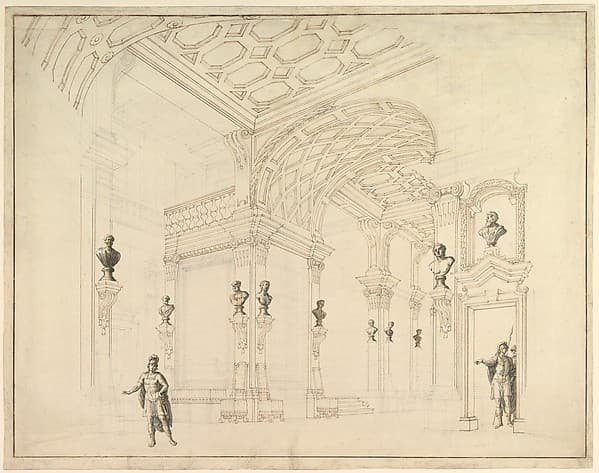
Design for a Stage Set
Giuseppe Galli Bibiena · 1696–1756

Stage Design: Palace Interior
Giuseppe Galli Bibiena, Italian, 1696–1756 · 1700–1750
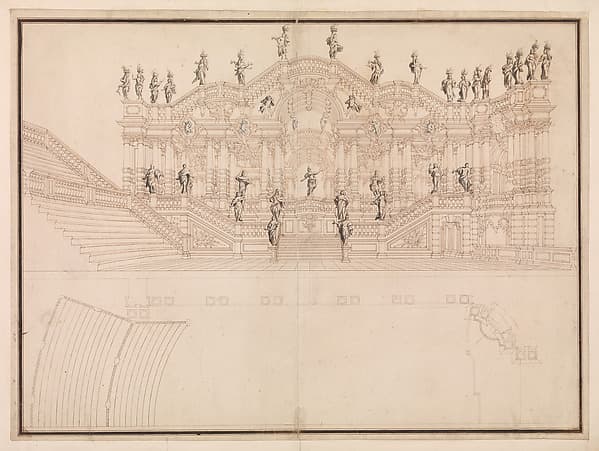
Design for a Stage Set: Longitudinal Section and Plan of Amphitheater and Stage
Giuseppe Galli Bibiena · 1696–1756

Stage Design: Garden Scene with a Fountain, Part V, Plate 8, "Architettura e Prospettive," Augsburg
Giuseppe Galli Bibiena, Italian, 1696–1756 · 1740–44
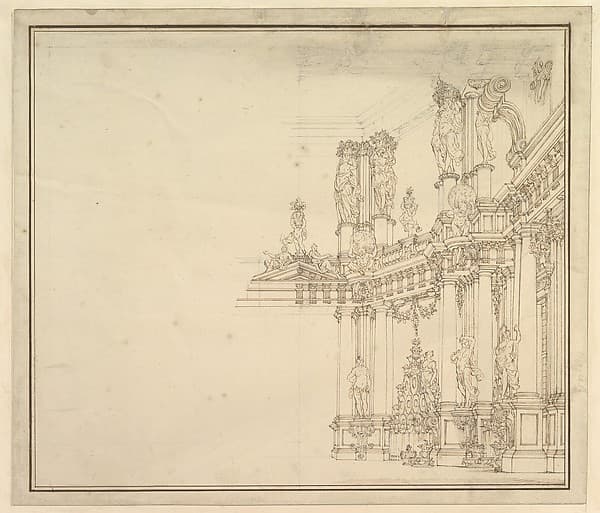
Design for a Stage Set: Palace Hall with Columns and Statues
Giuseppe Galli Bibiena · 1716–56

Stage Design: A Royal Palace at the Seaside
Artist not stated in the record · mid- 18th century
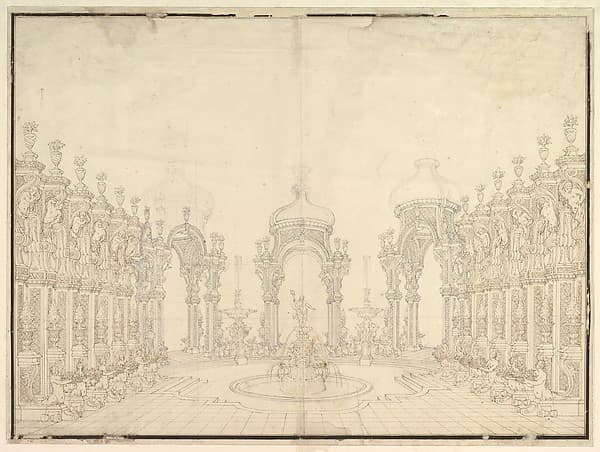
Designs for Stage Set: Three Pavillions in Background with "Oriental" (Ogival) Cupolas with Two Small Fountains between Them; in Foreground, a large Fountain with Dolphins Surmounted by Neptune
Giuseppe Galli Bibiena · 1696–1756

Stage Design, Prison in Gothic Building
Artist not stated in the record · mid- 18th–late 18th century
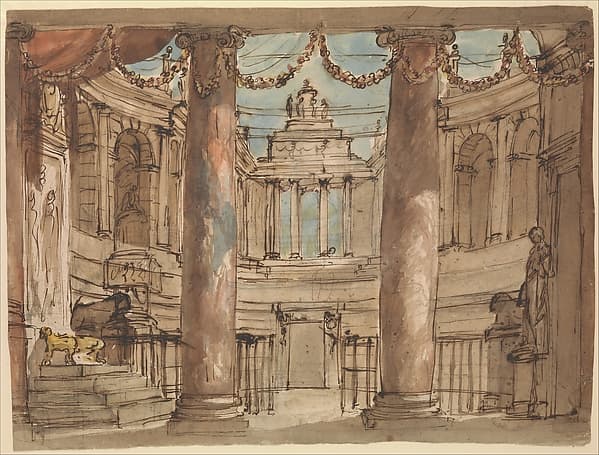
Design for a Stage Set
Giuseppe Barberi · 1770–80

Stage Design: Architectural Fantasy
Giuseppe Galli Bibiena, Italian, 1696–1756 · early 18th century
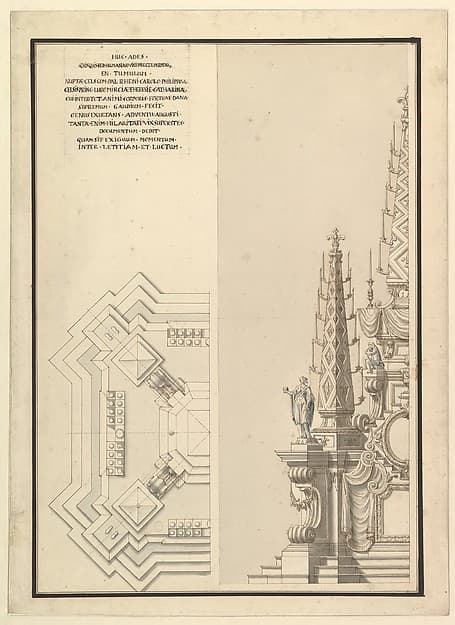
Design for Half Elevation and Half Ground Plan of a Catafalque for Countess Palatine of the Rhine, Theresia Catharine, wife of Count Palatine, Charles Philip III (1716–1742)
Giuseppe Galli Bibiena · ca. 1742

Stage Design: A Banquet Hall
Giuseppe Galli Bibiena, Italian, 1696–1756 · 1740–44
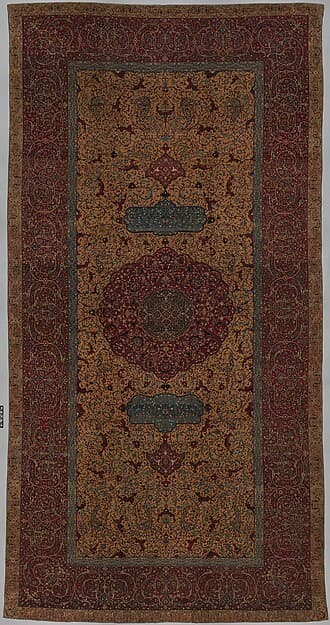
The Anhalt Medallion Carpet
Artist not stated in the record · probably first half 16th century

Stage Design: Vaulted Hall of a Palace
Giuseppe Galli Bibiena, Italian, 1696–1756 · ca. 1740
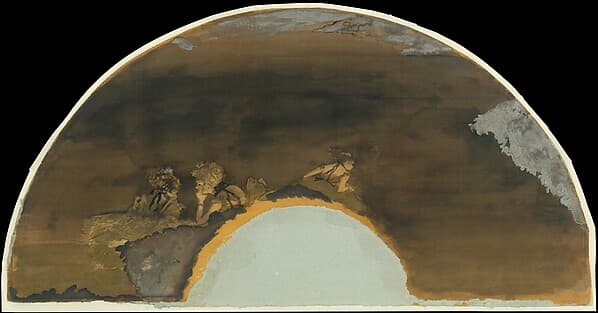
Fan Mount: Dancers
Edgar Degas · 1879

A "Forum"
Johann Andréas Pfeffel, German, 1674–1748 · 1740
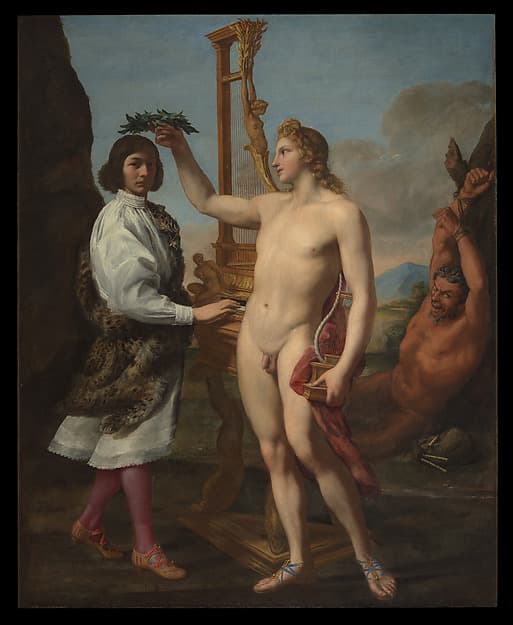
Marcantonio Pasqualini (1614–1691) Crowned by Apollo
Andrea Sacchi · 1641

Stage Design: Garden Scene with Fountain, plate 8, part 5, from "Architetture e Prospettive dedicate alla Maestà di Carlo Sesto"
Artist not stated in the record · 1740–44
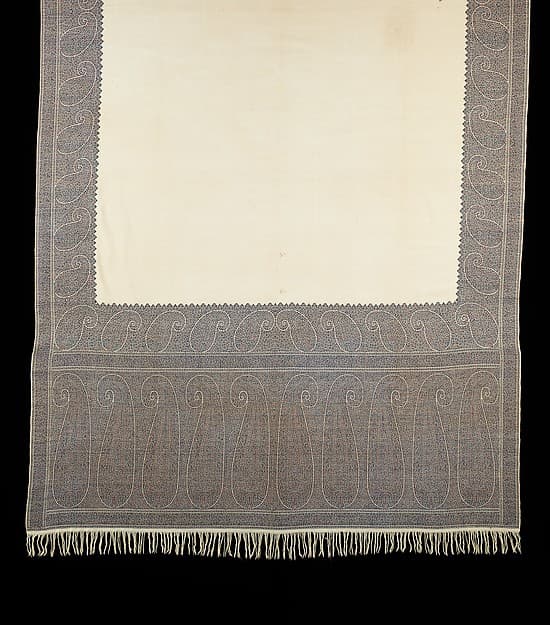
Shawl
Artist not stated in the record · 1840–49

Stage Design: Palace Atrium Supported by Columns and Pillars
Ferdinando Galli Bibiena, 1657 – 1743 · ca. 1770
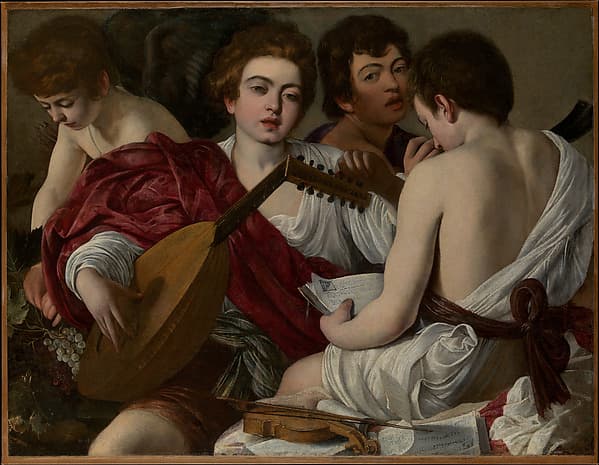
The Musicians
Caravaggio (Michelangelo Merisi) · 1597

Stage Design; Palace Court
Follower of Antonio or Carlo Galli Bibiena · late 17th century
Where these records came from.
Two archives are wired, and only two. Each one is filtered on its own rights field — never on a title match, and never on the presence of an image file.
- The Met Collection API (Open Access)Rights field:
isPublicDomain. 19 matched · 19 examined · 0 dropped by the rights gate. Kept only where isPublicDomain === true and a file URL was published.12 shown - Smithsonian Open Access API (api.si.edu)Rights field:
content.descriptiveNonRepeating.metadata_usage.access. 2804625 matched · 40 examined · 6 dropped by the rights gate. Kept only where metadata_usage.access === "CC0" and an image resource was published.12 shown
These figures describe the pass run at 2026-09-03 20:36 UTC, during this request. A completed pass is kept for 24 hours and replayed for an identical search, which is what keeps repeated queries inside Smithsonian’s 30-requests-per-hour allowance. A pass in which either archive failed to answer is never kept — an outage must not be replayed as though it were a finding about the catalogue.
Wikimedia Commons and the Library of Congress are deliberately not wired. Wikimedia was confirmed, on a live query, to return CC-BY material inside the same result set as genuine public domain works, and filtering it safely has not been designed yet. loc.gov was blocked by bot detection during the source evaluation, so its rights vocabulary has never been observed — and nothing here is built on a field nobody has read.
An image file is a rights claim. It never travels without its field.