 Open
OpenTwo archives, queried live.
Every record below comes from The Met or Smithsonian Open Access and was filtered on that archive’s own rights field before it reached this page. 24 shown for “Daoist deity Zhenwu with two attendants” — 64 records examined, 7 dropped by the rights gate.
Archives queried 2026-08-28 13:27 UTC · fetched live for this request
isPublicDomain field is true for this object.metadata_usage.access reads CC0 — a waiver, not an expired term.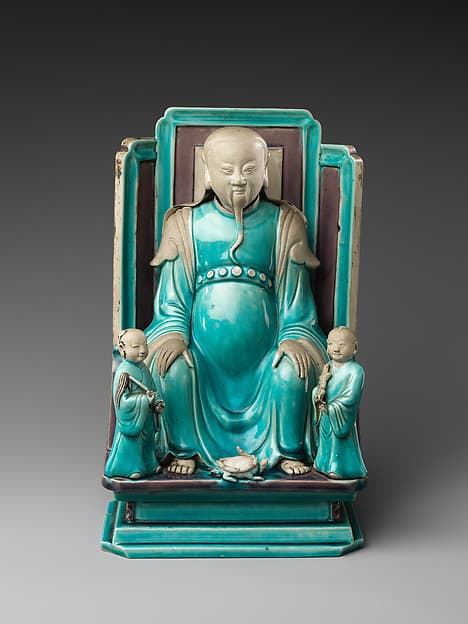
Daoist deity Zhenwu with two attendants
Artist not stated in the record · 17th century

Robe for a statue
Artist not stated in the record · late 18th century
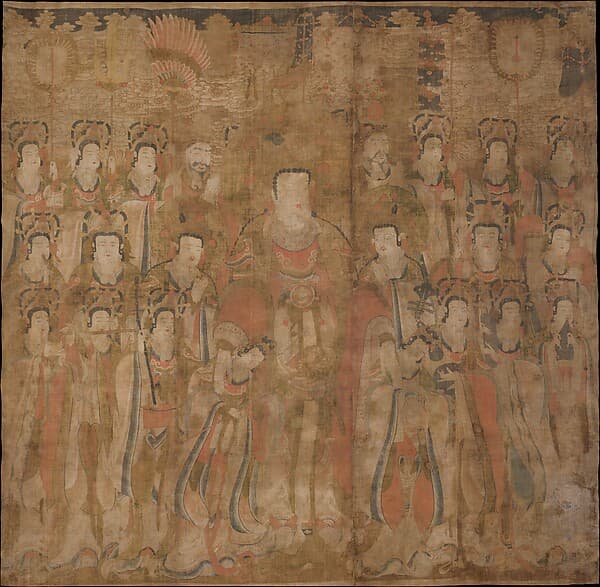
Brahma with Attendants and Musicians
Unidentified artist · late 16th century

Tapestry: a Daoist female Immortal and attendant under a pine
Artist not stated in the record · 1368-1644
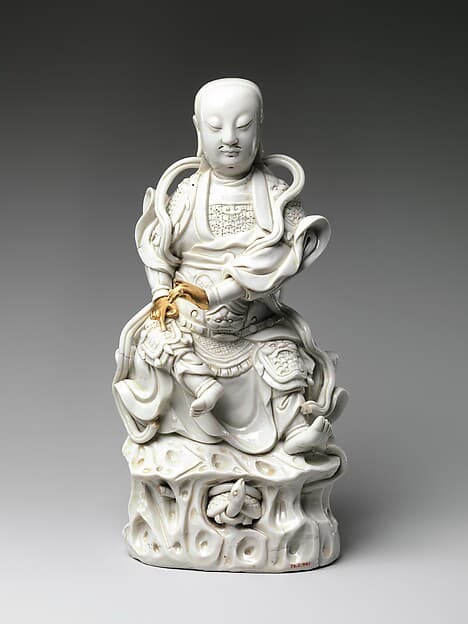
Daoist deity Zhenwu
Artist not stated in the record · early 18th century

Fudo Myo 'o, with attendants Kongara and Seitaka
Artist not stated in the record · 14th-15th century
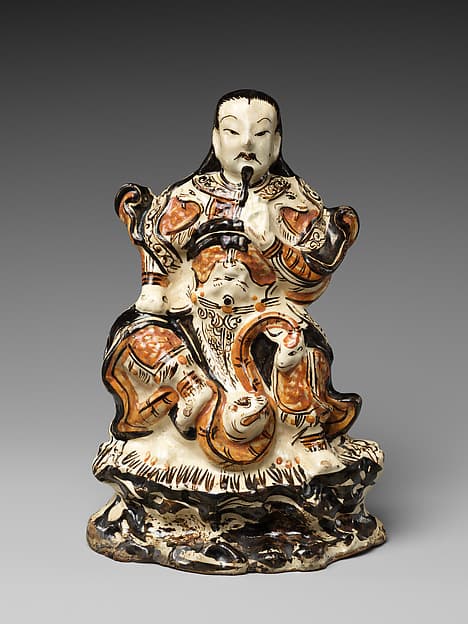
Daoist deity Zhenwu
Artist not stated in the record · 15th century

Design for a Vase
Artist not stated in the record · 1730–1760
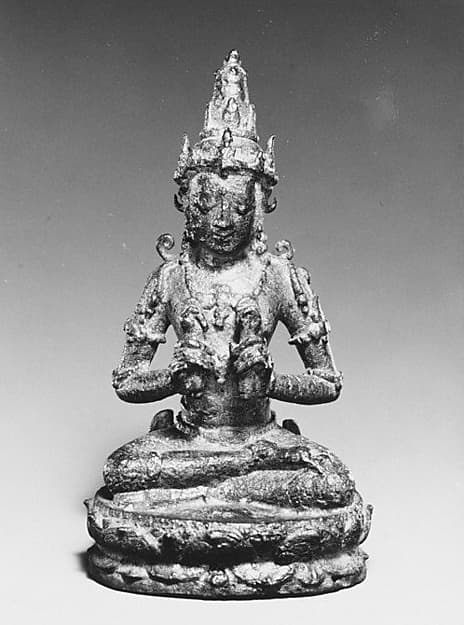
Seated Male Deity Holding Two Ritual Objects
Artist not stated in the record · last quarter of the 10th–first half of the 11th century

Grotesque with Deities. Plate 03 “Jupiter,” 2nd state
René Boyvin, French, 1525 - 1625 · ca. 1540
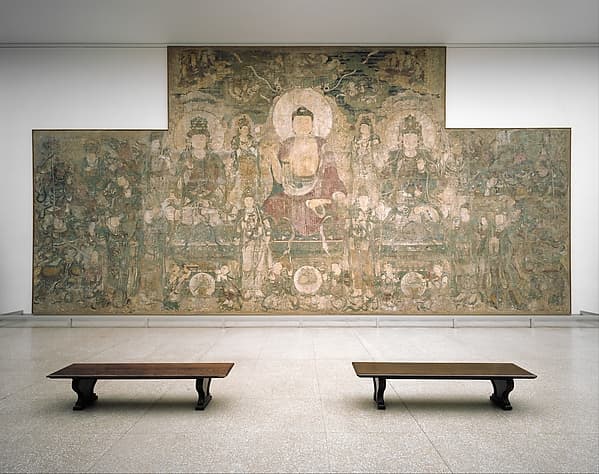
Buddha of Medicine Bhaishajyaguru (Yaoshi fo)
Artist not stated in the record · ca. 1319

Man at Supper with Attendants
Felice Giani, Italian, 1758–1823 · 1795–1810
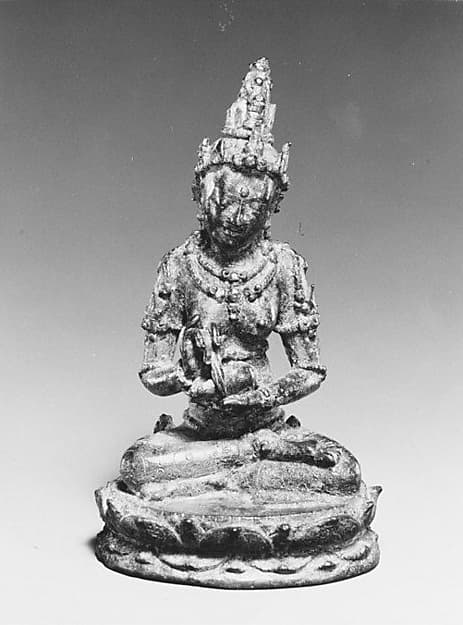
Seated Female Deity Holding a Conch and Branch (?)
Artist not stated in the record · last quarter of the 10th–first half of the 11th century

Daoist priest's robe
Artist not stated in the record · 19th century
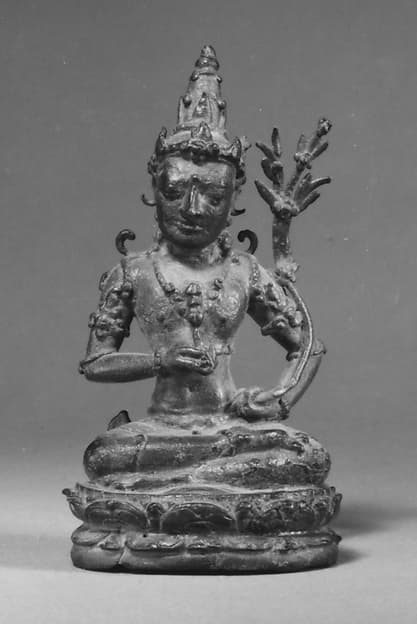
Seated Male Deity Supporting a Vajra on His Finger
Artist not stated in the record · last quarter of 10th–first half of 11th century

Two Attendants with the Heavenly Horseman
Felice Giani, Italian, 1758–1823 · ca. 1820
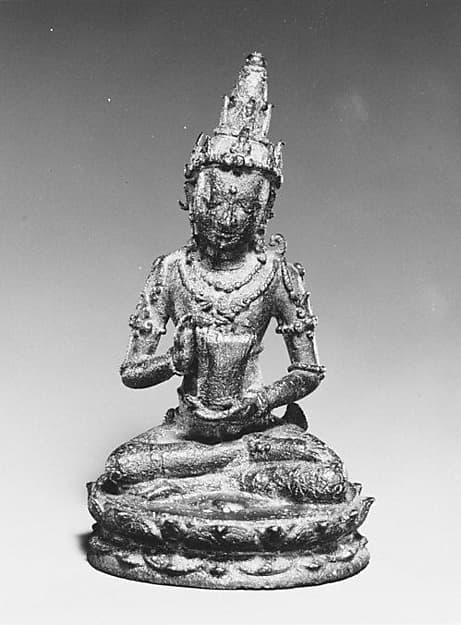
Seated Male Deity Holding a Cuirass (Chest Armour)
Artist not stated in the record · last quarter of the 10th–first half of the 11th century

Dish with the Four Continents
Artist not stated in the record · 19th century
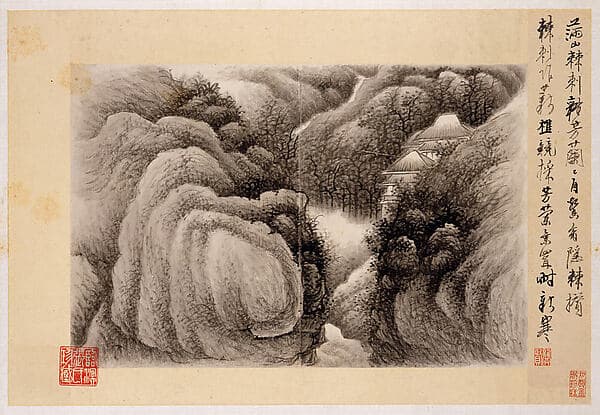
Landscapes with poems
Gong Xian · 1688

Popular Deities, Sages, and Immortals
Hanabusa Itcho 英一蝶 (1652-1724) · late 17th-early 18th century
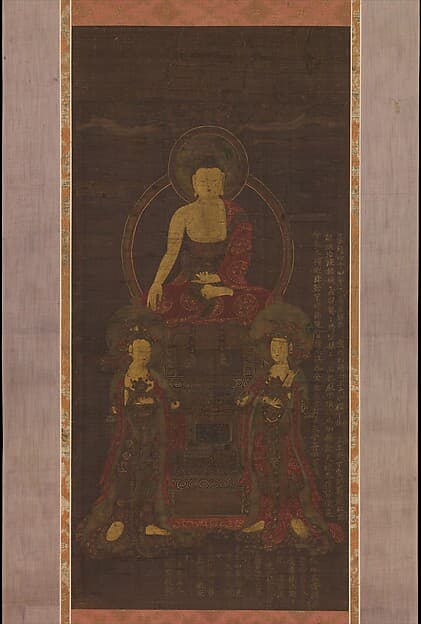
Shakyamuni triad
Unidentified artist · 1565

Christ With the Instruments of the Flagillation Attended by Two Angels
Artist not stated in the record · ca. 1650-1670
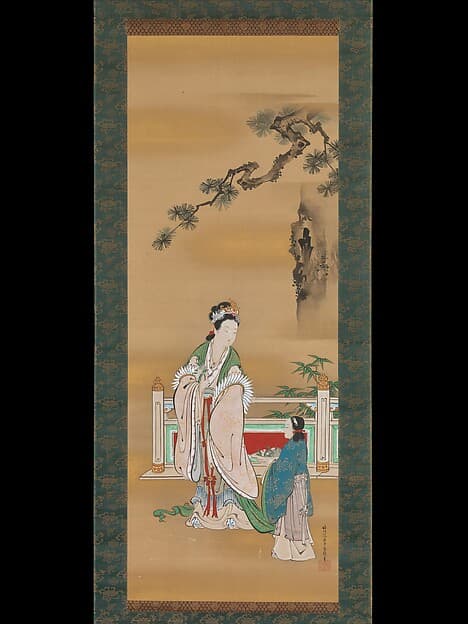
Queen Mother of the West
Kano Osanobu · second quarter 19th century

Sidewall
Artist not stated in the record · ca. 1800
Where these records came from.
Two archives are wired, and only two. Each one is filtered on its own rights field — never on a title match, and never on the presence of an image file.
- The Met Collection API (Open Access)Rights field:
isPublicDomain. 115 matched · 24 examined · 1 dropped by the rights gate. Kept only where isPublicDomain === true and a file URL was published.12 shown - Smithsonian Open Access API (api.si.edu)Rights field:
content.descriptiveNonRepeating.metadata_usage.access. 266225 matched · 40 examined · 6 dropped by the rights gate. Kept only where metadata_usage.access === "CC0" and an image resource was published.12 shown
These figures describe the pass run at 2026-08-28 13:27 UTC, during this request. A completed pass is kept for 24 hours and replayed for an identical search, which is what keeps repeated queries inside Smithsonian’s 30-requests-per-hour allowance. A pass in which either archive failed to answer is never kept — an outage must not be replayed as though it were a finding about the catalogue.
Wikimedia Commons and the Library of Congress are deliberately not wired. Wikimedia was confirmed, on a live query, to return CC-BY material inside the same result set as genuine public domain works, and filtering it safely has not been designed yet. loc.gov was blocked by bot detection during the source evaluation, so its rights vocabulary has never been observed — and nothing here is built on a field nobody has read.
An image file is a rights claim. It never travels without its field.