 Open
OpenTwo archives, queried live.
Every record below comes from The Met or Smithsonian Open Access and was filtered on that archive’s own rights field before it reached this page. 24 shown for “Design for Brooch with Three Diamonds” — 64 records examined, 5 dropped by the rights gate.
Archives queried 2026-09-06 06:33 UTC · fetched live for this request
isPublicDomain field is true for this object.metadata_usage.access reads CC0 — a waiver, not an expired term.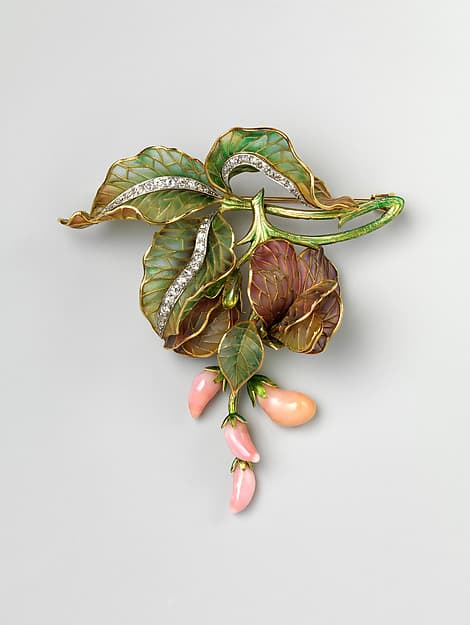
Brooch
Marcus and Co. · ca. 1900

Design for Brooch with Three Diamonds
Artist not stated in the record · 16th century
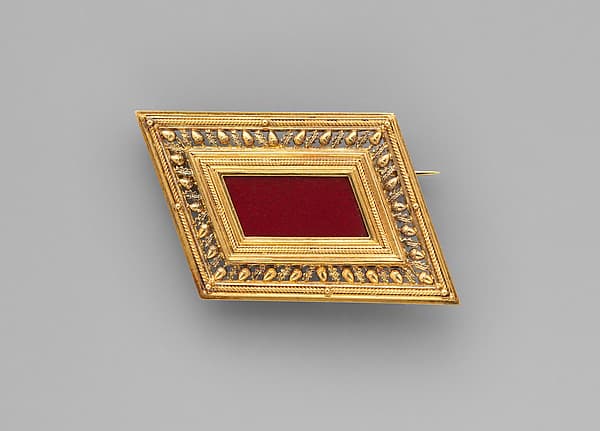
Brooch
Carlo Giuliano · before 1896

Design for brooch with octagonal diamond and three figures
Artist not stated in the record · 16th century
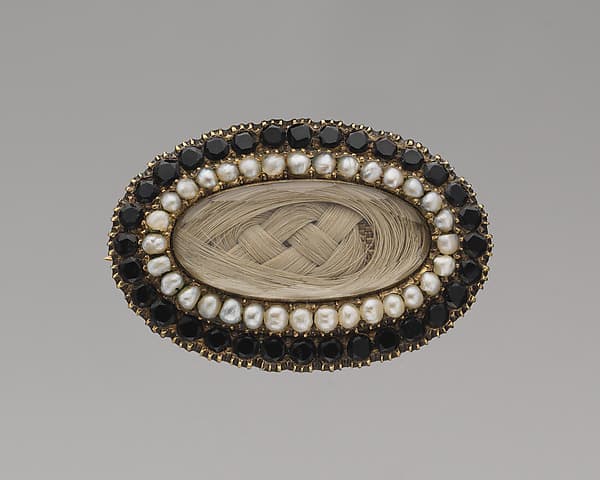
Brooch
Artist not stated in the record · ca. 1850

Design for Three Brooches
Artist not stated in the record · 1825–50
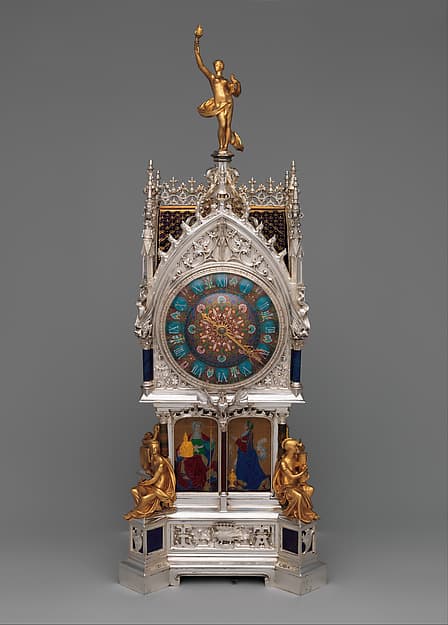
Table clock with calendar
Lucien Falize · 1881

Design for Six Brooches
Girolamo Venturi · 1739
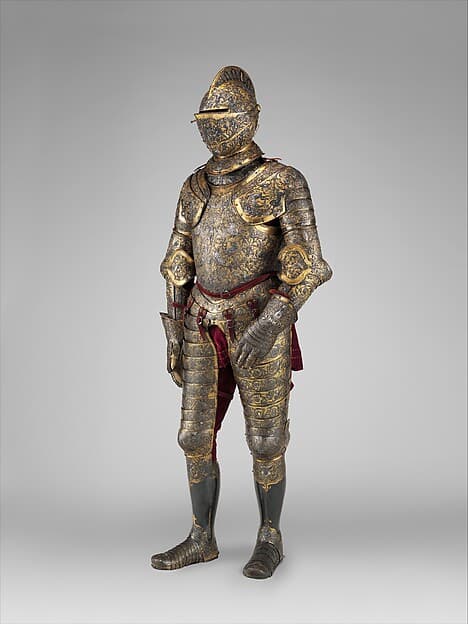
Armor of Henry II, King of France (reigned 1547–59)
Jean Cousin the Elder · ca. 1555

Design for a Brooch with Oval Diamond
Artist not stated in the record · 16th century
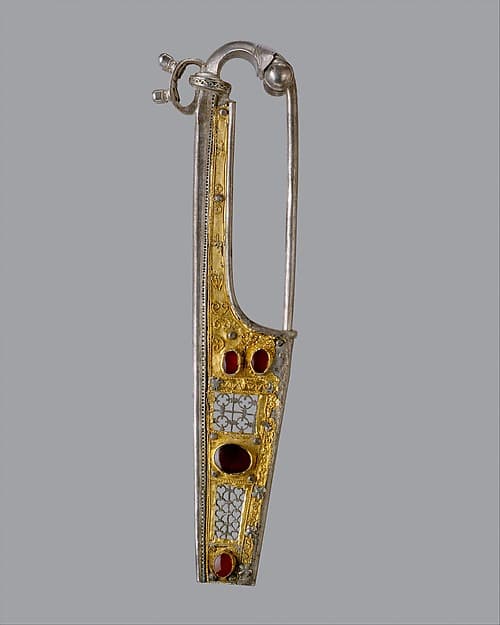
Wing Brooch
Artist not stated in the record · 100–200

Design for Three Brooches
Artist not stated in the record · 1825–50
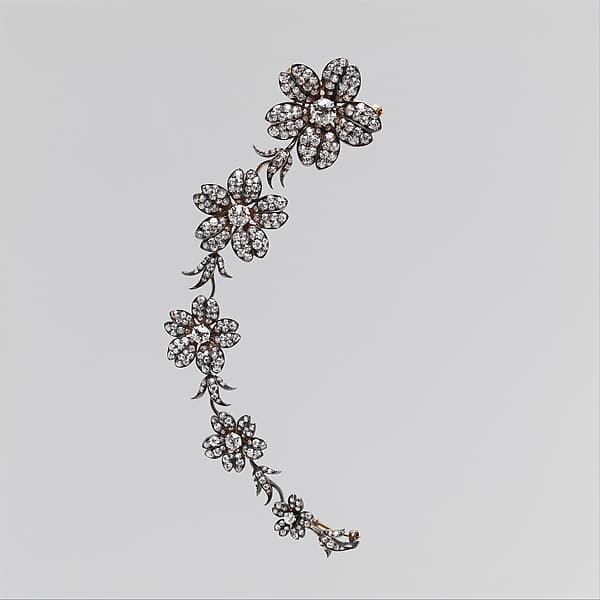
Corsage Piece
Tiffany & Co. · 1880–95

Design for brooch with round diamond
Artist not stated in the record · 16th century
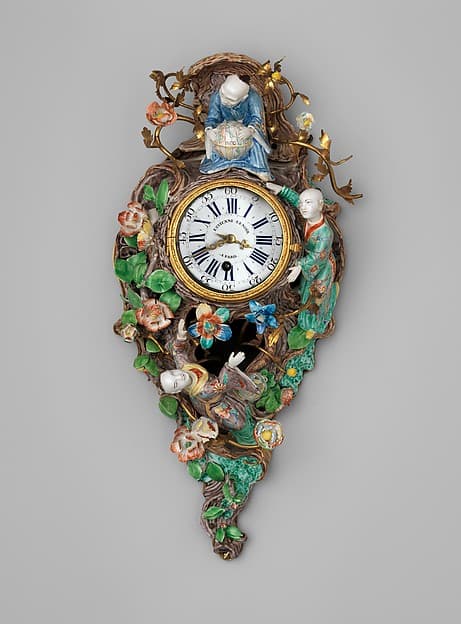
Wall clock (cartel)
Etienne LeNoir · ca. 1735–40

Design for Brooch with Apollo
Artist not stated in the record · 16th century
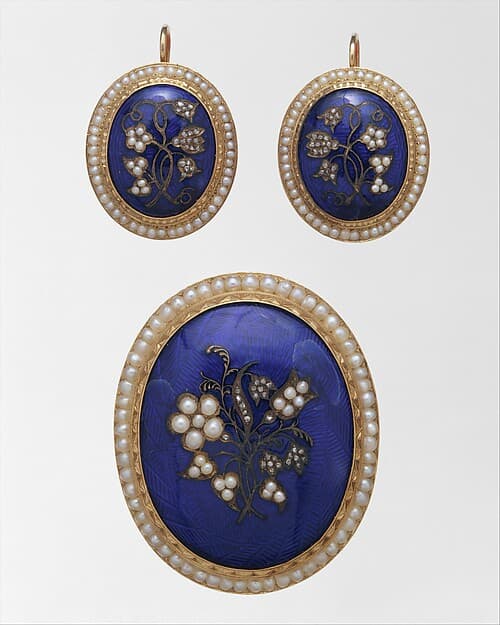
Brooch
Edward Burr · ca. 1836–50

Design for Brooch with Palmette and Escutcheon
Artist not stated in the record · 16th century
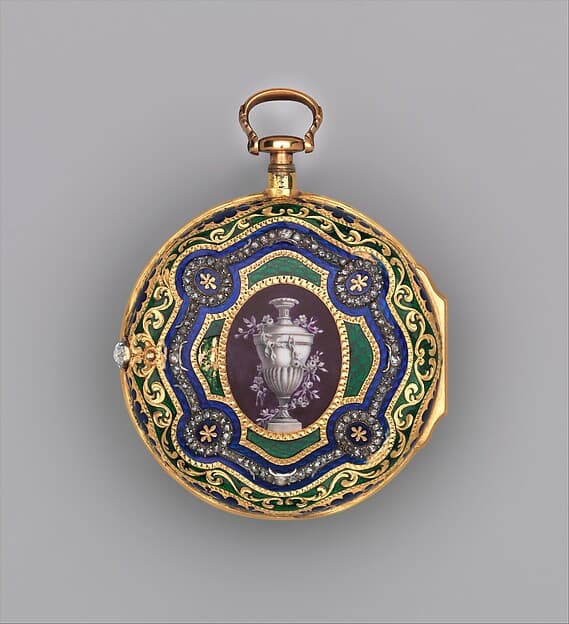
Watch case
George Harrison · probably ca. 1770

Design for Brooch with Gems and Hanging Diamonds
Artist not stated in the record · 16th century
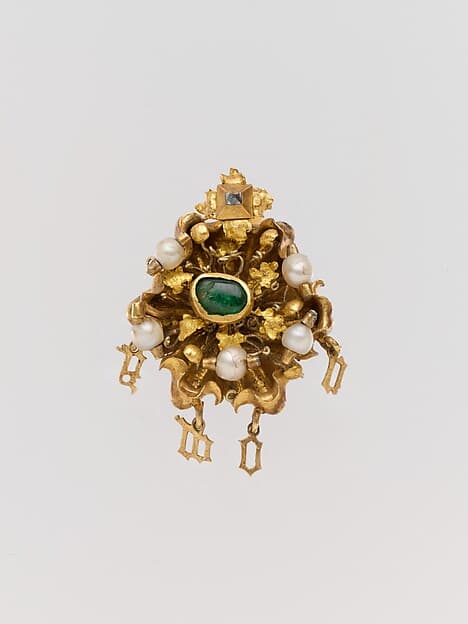
Cluster Brooch with Letters Spelling "Amor"
Artist not stated in the record · mid-15th century

Design for oblong brooch with diamond
Artist not stated in the record · 16th century
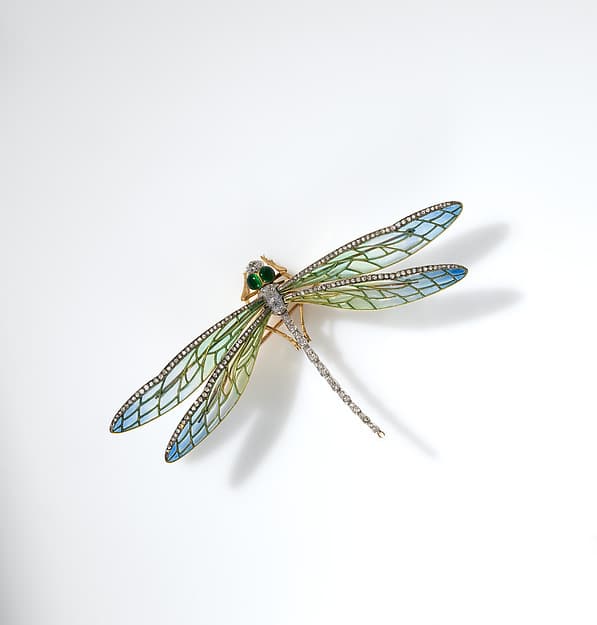
Dragonfly brooch
Edgar Bense · ca. 1890

Earrings and Brooches
Artist not stated in the record · 1825–30
Where these records came from.
Two archives are wired, and only two. Each one is filtered on its own rights field — never on a title match, and never on the presence of an image file.
- The Met Collection API (Open Access)Rights field:
isPublicDomain. 3682 matched · 24 examined · 5 dropped by the rights gate. Kept only where isPublicDomain === true and a file URL was published.12 shown - Smithsonian Open Access API (api.si.edu)Rights field:
content.descriptiveNonRepeating.metadata_usage.access. 648940 matched · 40 examined · 0 dropped by the rights gate. Kept only where metadata_usage.access === "CC0" and an image resource was published.12 shown
These figures describe the pass run at 2026-09-06 06:33 UTC, during this request. A completed pass is kept for 24 hours and replayed for an identical search, which is what keeps repeated queries inside Smithsonian’s 30-requests-per-hour allowance. A pass in which either archive failed to answer is never kept — an outage must not be replayed as though it were a finding about the catalogue.
Wikimedia Commons and the Library of Congress are deliberately not wired. Wikimedia was confirmed, on a live query, to return CC-BY material inside the same result set as genuine public domain works, and filtering it safely has not been designed yet. loc.gov was blocked by bot detection during the source evaluation, so its rights vocabulary has never been observed — and nothing here is built on a field nobody has read.
An image file is a rights claim. It never travels without its field.