 Open
OpenTwo archives, queried live.
Every record below comes from The Met or Smithsonian Open Access and was filtered on that archive’s own rights field before it reached this page. 24 shown for “Diorama with Model of Classical Temple Ruins” — 64 records examined, 11 dropped by the rights gate.
Archives queried 2026-08-29 11:15 UTC · fetched live for this request
isPublicDomain field is true for this object.metadata_usage.access reads CC0 — a waiver, not an expired term.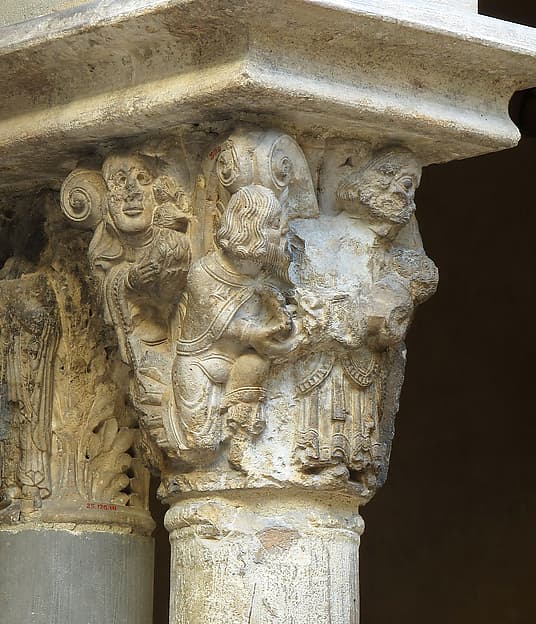
Capital with the Presentation of Christ in the Temple (from Saint-Guilhem Cloister)
Artist not stated in the record · late 12th–early 13th century

Diorama with Model of Classical Temple Ruins
Artist not stated in the record · ca. 1840
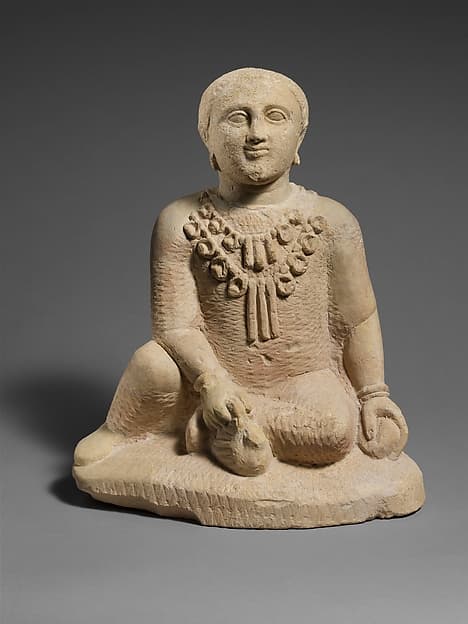
Limestone temple boy
Artist not stated in the record · late 5th century BCE

Ruins of Phaena at Al-Masmiyah, Syria
Frederic Edwin Church, American, 1826–1900 · April 28, 1868
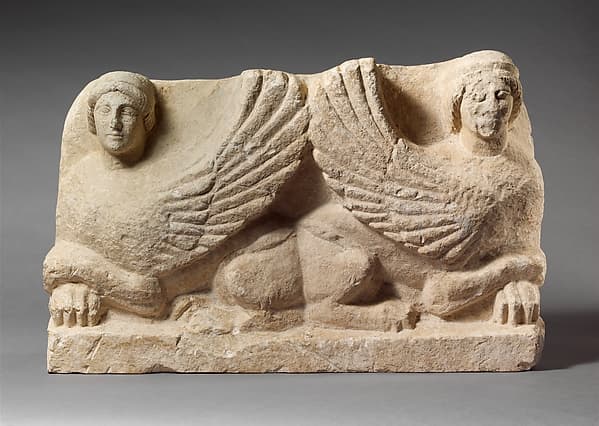
Limestone funerary stele with antithetical sphinxes
Artist not stated in the record · ca. 475–450 BCE

Model of the Temple of Vesta, Tivoli
Artist not stated in the record · 1810–30
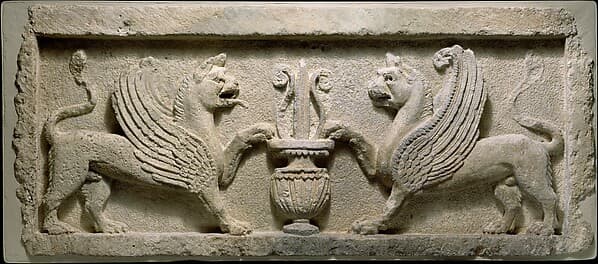
Door lintel with lion-griffins and vase with lotus leaf
Artist not stated in the record · ca. 2nd–early 3rd century CE

Architectural Fantasy: A Circular Temple on a Truncated Pyramid
Louis-Joseph Le Lorrain, French, 1715–1759 · mid-18th century
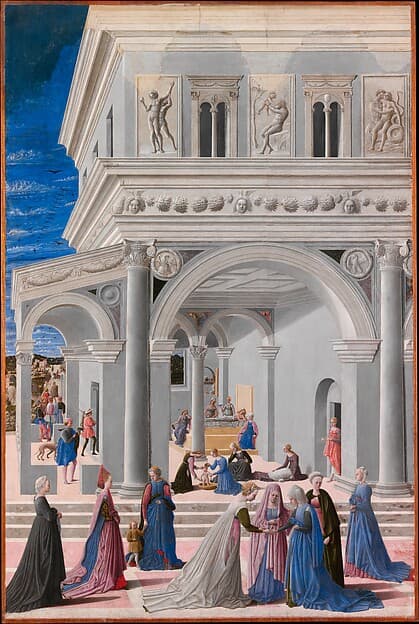
The Birth of the Virgin
Fra Carnevale (Bartolomeo di Giovanni Corradini) · 1467

Architectural Details in Classical and Pseudo-Classical Style
Romolo Achille Liverani, Italian, 1809 - 1872 · ca. 1840
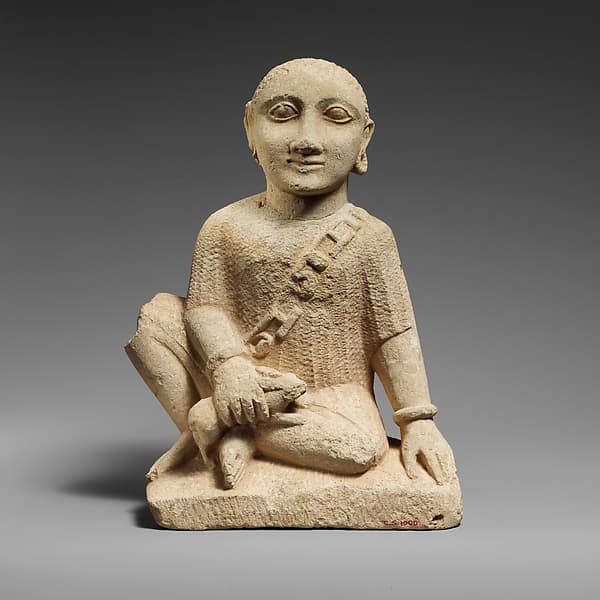
Limestone statuette of a temple boy
Artist not stated in the record · 4th century BCE

Sampler
Artist not stated in the record · 18th or 19th century
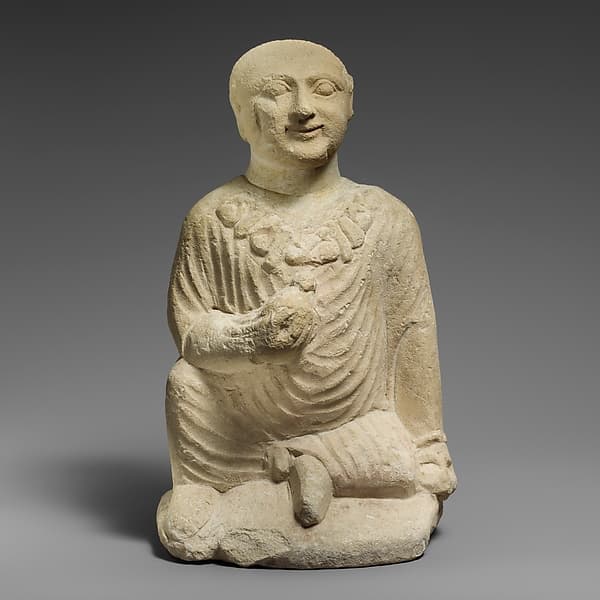
Limestone statuette of a temple boy
Artist not stated in the record · 4th century BCE

Architectural Fantasy with Tomb and Ruins, Plate from "Rovine Inventione de Giovan. Loren, Legeay Architet. Intagliate da lui stesso in Luce 1768"
Jean-Laurent Legeay, French, ca. 1710–86 · 1768, published 1770
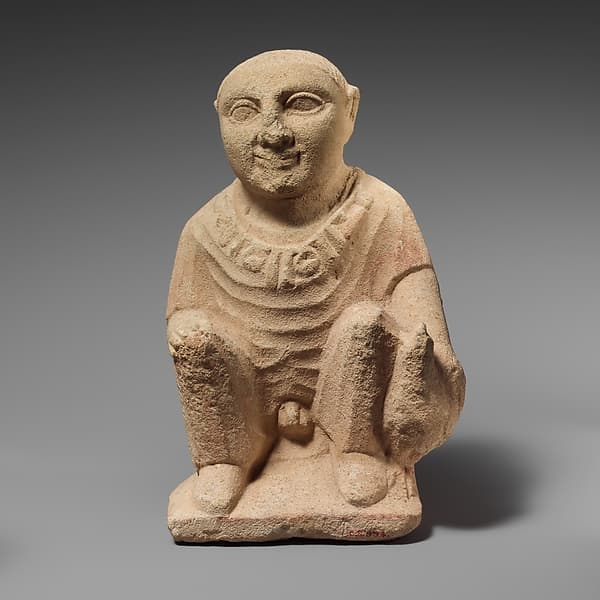
Limestone statuette of a temple boy
Artist not stated in the record · 4th century BCE

Surtout de Table (Centerpiece) with the Temple of Isis in Pompeii
Artist not stated in the record · ca. 1800
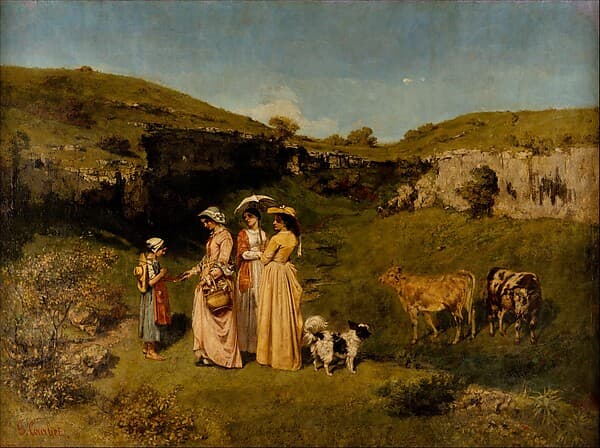
Young Ladies of the Village
Gustave Courbet · 1851–52

Cartoon for cotton printing: "Le Tombeau de Jean-Jacques Rousseau a Ermenonville."
Artist not stated in the record · after 1780
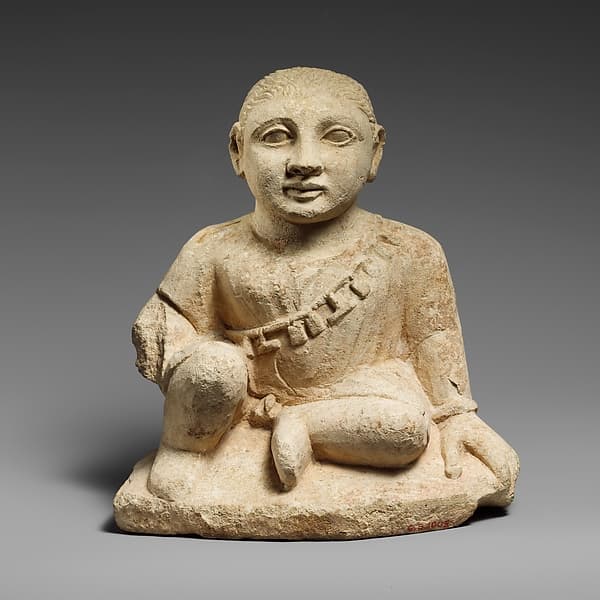
Limestone statuette of a temple boy
Artist not stated in the record · 4th century BCE

View of the Temple of Peace in the Roman Forum
George Loring Brown, born Boston, MA 1814-died Malden, MA 1889 · 1864
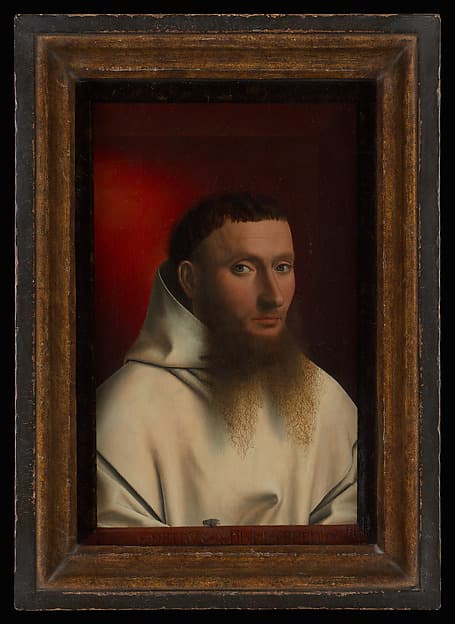
Portrait of a Carthusian
Petrus Christus · 1446

Ruins of Greek Temple, Azani, Phrygia
Miner Kilbourne Kellogg, born Manlius Square, NY 1814-died Toledo, OH 1889 · 1845
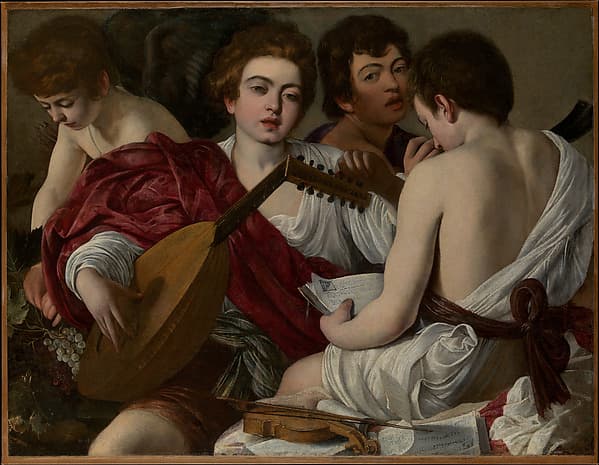
The Musicians
Caravaggio (Michelangelo Merisi) · 1597

Temple of Neptune, Paestum
Cass Gilbert, born Zanesville, OH 1858-died Brockenhurst, England 1934 · 1898
Where these records came from.
Two archives are wired, and only two. Each one is filtered on its own rights field — never on a title match, and never on the presence of an image file.
- The Met Collection API (Open Access)Rights field:
isPublicDomain. 175 matched · 24 examined · 1 dropped by the rights gate. Kept only where isPublicDomain === true and a file URL was published.12 shown - Smithsonian Open Access API (api.si.edu)Rights field:
content.descriptiveNonRepeating.metadata_usage.access. 2896597 matched · 40 examined · 10 dropped by the rights gate. Kept only where metadata_usage.access === "CC0" and an image resource was published.12 shown
These figures describe the pass run at 2026-08-29 11:15 UTC, during this request. A completed pass is kept for 24 hours and replayed for an identical search, which is what keeps repeated queries inside Smithsonian’s 30-requests-per-hour allowance. A pass in which either archive failed to answer is never kept — an outage must not be replayed as though it were a finding about the catalogue.
Wikimedia Commons and the Library of Congress are deliberately not wired. Wikimedia was confirmed, on a live query, to return CC-BY material inside the same result set as genuine public domain works, and filtering it safely has not been designed yet. loc.gov was blocked by bot detection during the source evaluation, so its rights vocabulary has never been observed — and nothing here is built on a field nobody has read.
An image file is a rights claim. It never travels without its field.