 Open
OpenTwo archives, queried live.
Every record below comes from The Met or Smithsonian Open Access and was filtered on that archive’s own rights field before it reached this page. 20 shown for “Eye-bead, with a lateral bore; the eyelet broken off” — 34 records examined, 3 dropped by the rights gate.
Archives queried 2026-09-03 11:32 UTC · fetched live for this request
isPublicDomain field is true for this object.metadata_usage.access reads CC0 — a waiver, not an expired term.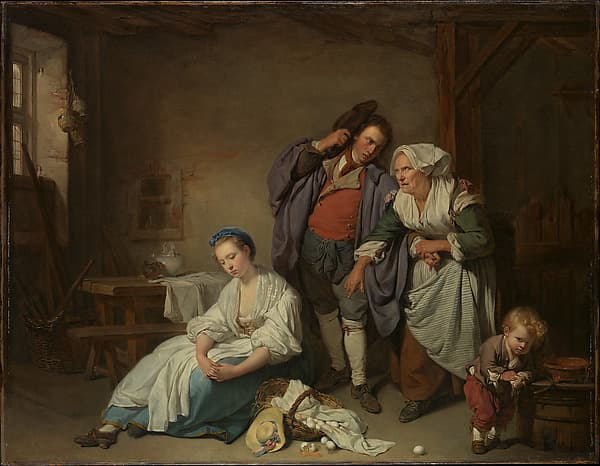
Broken Eggs
Jean-Baptiste Greuze · 1756

Eye-bead, with a lateral bore; the eyelet broken off
Artist not stated in the record · 1550-1307 BCE
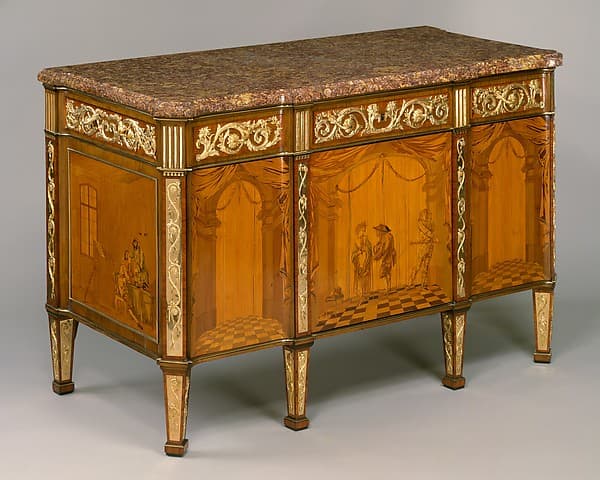
Commode à vantaux
David Roentgen · ca. 1775–79 with later alterations

Eye-bead, with an eyelet and also a lateral bore
Artist not stated in the record · 1550-1307 BCE
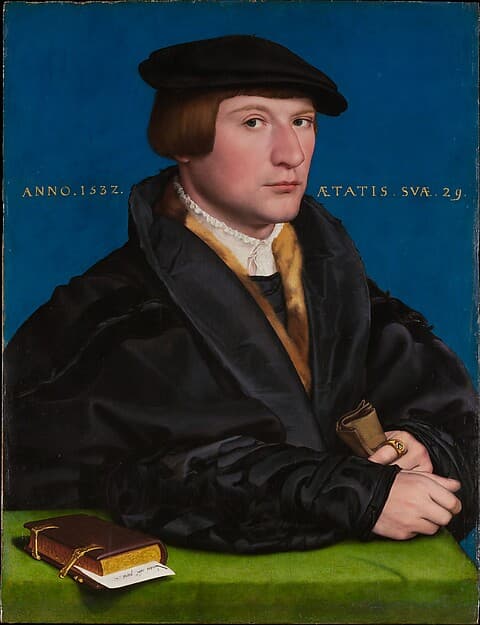
Hermann von Wedigh III (died 1560)
Hans Holbein the Younger · 1532

Eye-bead, with an eyelet and also a lateral bore
Artist not stated in the record · 1550-1307 BCE
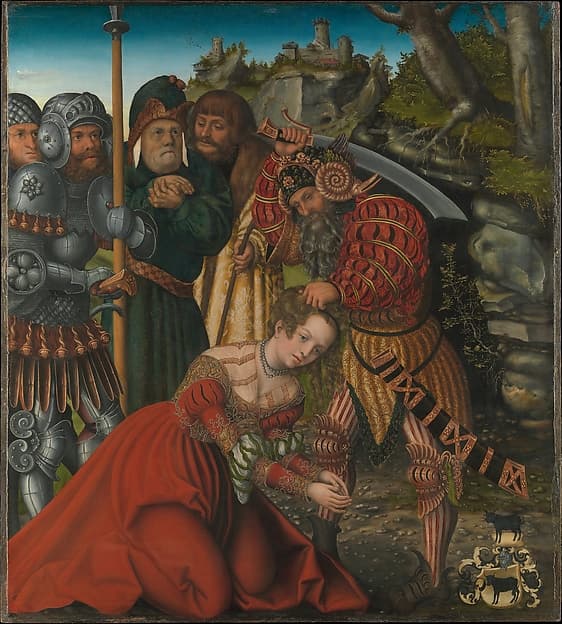
The Martyrdom of Saint Barbara
Lucas Cranach the Elder · ca. 1510

Eye-bead, with an eyelet and also a lateral bore
Artist not stated in the record · 1550-1307 BCE
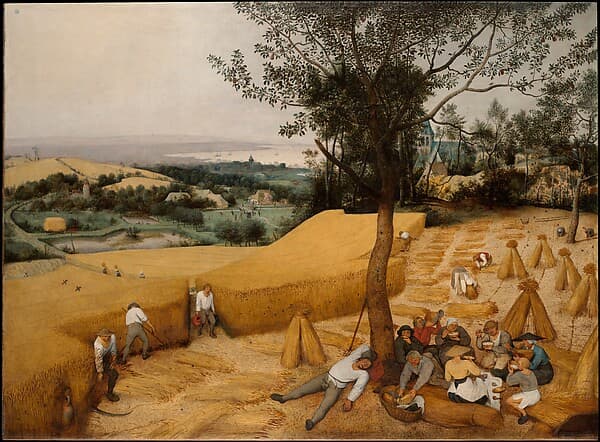
The Harvesters
Pieter Bruegel the Elder · 1565

Eye-bead, with a lateral bore
Artist not stated in the record · 305 BCE-14 CE
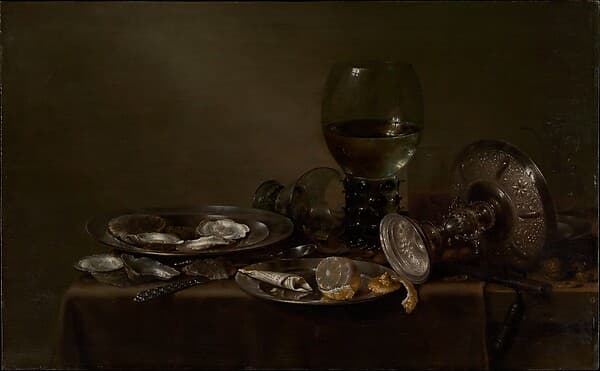
Still Life with Oysters, a Silver Tazza, and Glassware
Willem Claesz Heda · 1635

Black bodice with lace collar and jet beading
Unidentified · ca. 1895
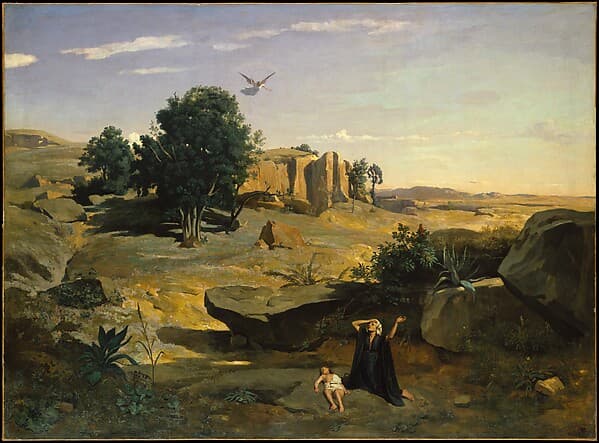
Hagar in the Wilderness
Camille Corot · 1835

Berardius bairdii Stejneger, 1883
Artist not stated in the record · 23 Jul 1985
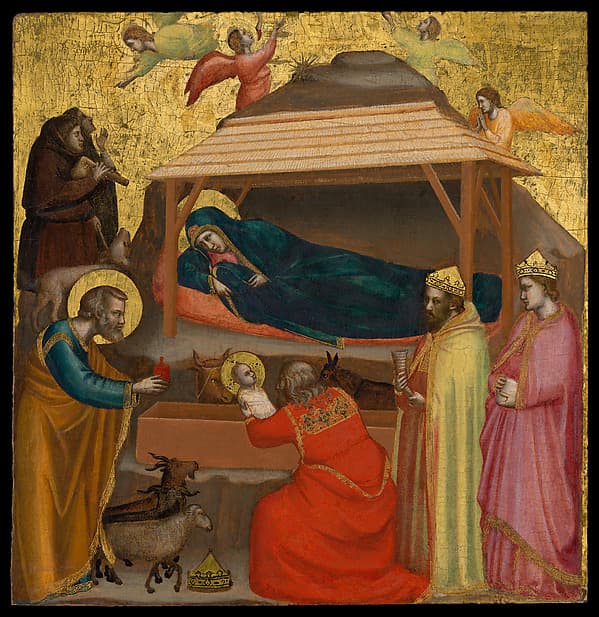
The Adoration of the Magi
Giotto di Bondone · possibly ca. 1320
Douglas SBD-6 Dauntless
Douglas Aircraft Company · 1940
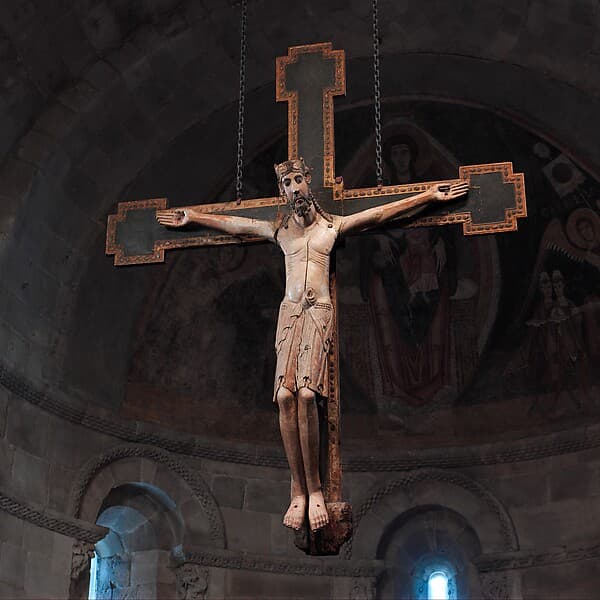
Crucifix
Artist not stated in the record · ca. 1150–1200
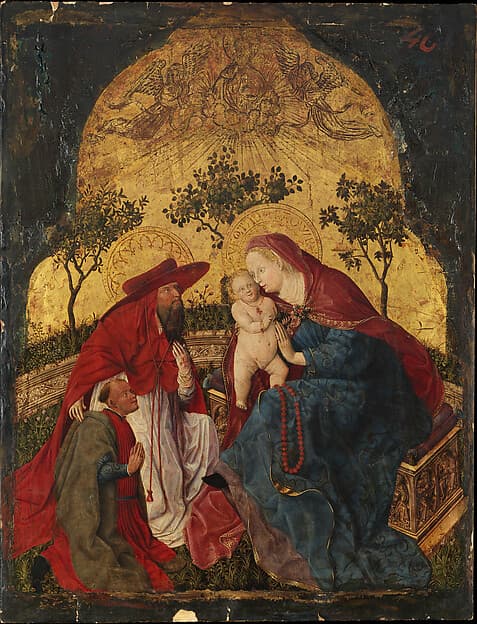
Virgin and Child with a Donor Presented by Saint Jerome
Master of the Munich Marian Panels · ca. 1450
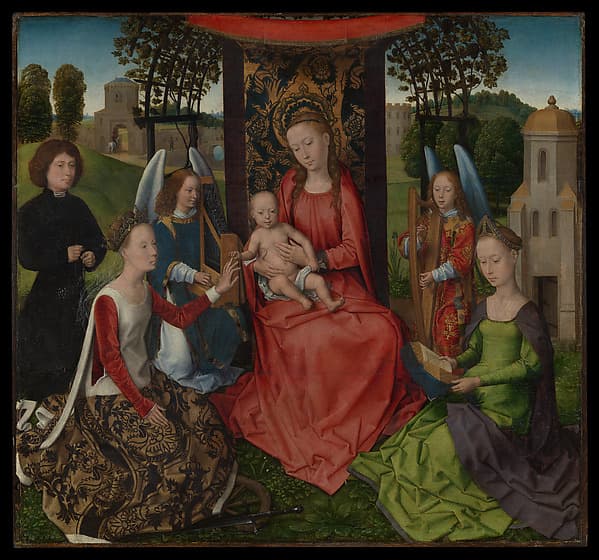
Virgin and Child with Saints Catherine of Alexandria and Barbara
Hans Memling · early 1480s
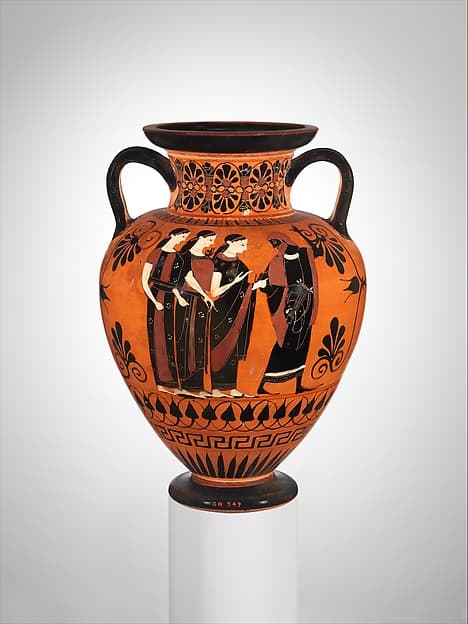
Terracotta neck-amphora (jar)
Swing Painter · ca. 540–530 BCE
Where these records came from.
Two archives are wired, and only two. Each one is filtered on its own rights field — never on a title match, and never on the presence of an image file.
- The Met Collection API (Open Access)Rights field:
isPublicDomain. 99 matched · 24 examined · 1 dropped by the rights gate. Kept only where isPublicDomain === true and a file URL was published.12 shown - Smithsonian Open Access API (api.si.edu)Rights field:
content.descriptiveNonRepeating.metadata_usage.access. 10 matched · 10 examined · 2 dropped by the rights gate. Kept only where metadata_usage.access === "CC0" and an image resource was published.8 shown
These figures describe the pass run at 2026-09-03 11:32 UTC, during this request. A completed pass is kept for 24 hours and replayed for an identical search, which is what keeps repeated queries inside Smithsonian’s 30-requests-per-hour allowance. A pass in which either archive failed to answer is never kept — an outage must not be replayed as though it were a finding about the catalogue.
Wikimedia Commons and the Library of Congress are deliberately not wired. Wikimedia was confirmed, on a live query, to return CC-BY material inside the same result set as genuine public domain works, and filtering it safely has not been designed yet. loc.gov was blocked by bot detection during the source evaluation, so its rights vocabulary has never been observed — and nothing here is built on a field nobody has read.
An image file is a rights claim. It never travels without its field.