 Open
OpenTwo archives, queried live.
Every record below comes from The Met or Smithsonian Open Access and was filtered on that archive’s own rights field before it reached this page. 24 shown for “Figure of a monk” — 64 records examined, 15 dropped by the rights gate.
Archives queried 2026-09-08 15:13 UTC · fetched live for this request
isPublicDomain field is true for this object.metadata_usage.access reads CC0 — a waiver, not an expired term.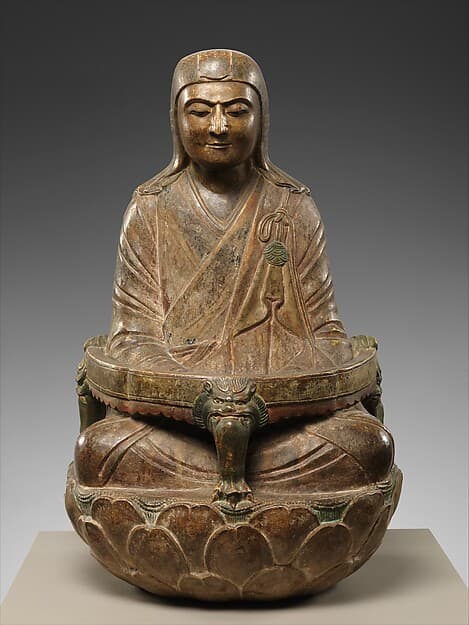
Monk Sengqie
Artist not stated in the record · late 11th–12th century

Figure of a monk
Artist not stated in the record · 618-907
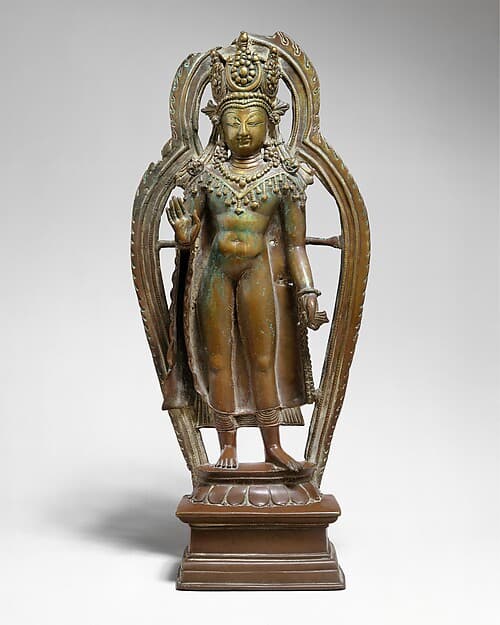
Crowned Buddha
Artist not stated in the record · 9th century

Old Monk
Arnold William Brunner, American, 1857–1925 · 1883
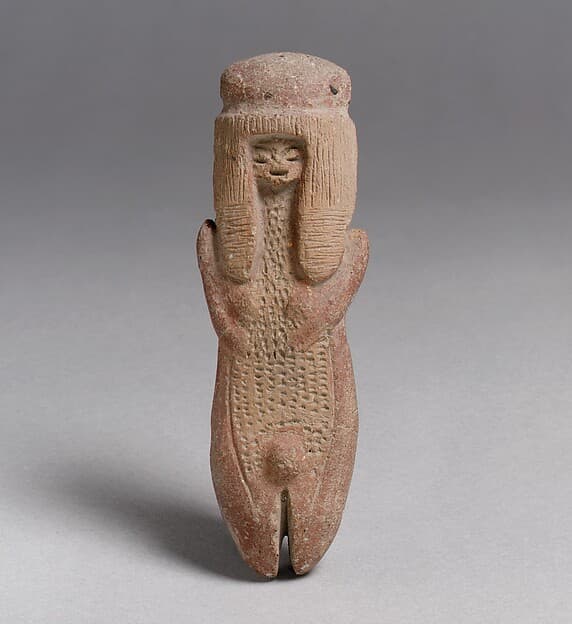
Figure
Artist not stated in the record · 2200–2000 BCE

The left arm of a monk and his left hand
Artist not stated in the record · 1850–1900
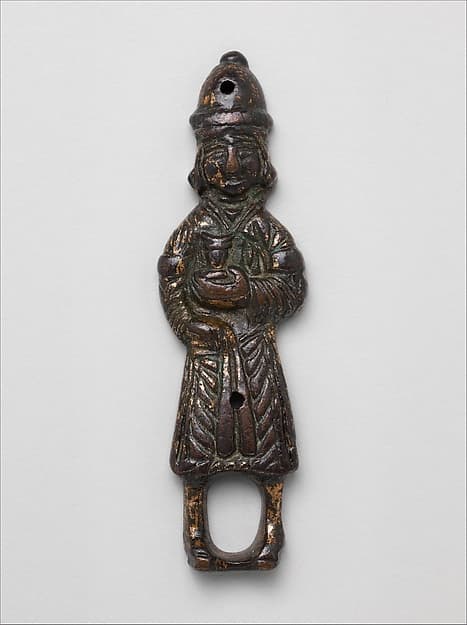
Figure
Artist not stated in the record · 12th century

A Praying Monk
Artist not stated in the record · 1800–1830
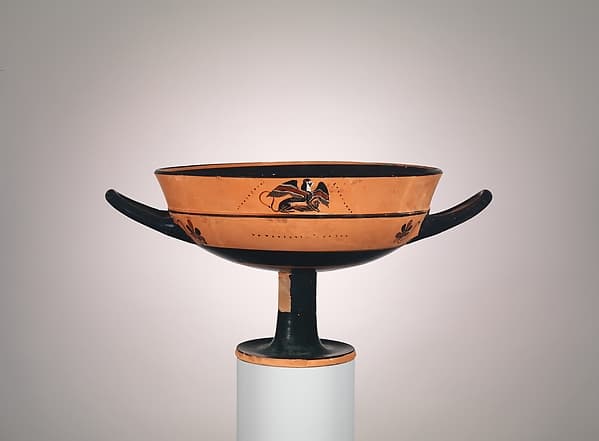
Terracotta Little Master cup
Artist not stated in the record · ca. 565–550 BCE
Untitled (Study of a Standing Monk)
Ida Josephine Burgess, born Chicago, IL1855-died New York City 1934 · 1886
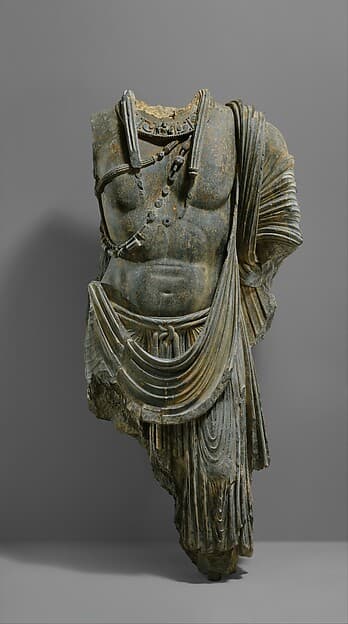
Torso of a Bodhisattva
Sahri-Bahlol Workshop · ca. 5th century

Saint Giovanni Gualberto and the Miraculous Crucifix
Jan van der Straet, called Stradanus, Flemish, 1523–1605 · 1590s
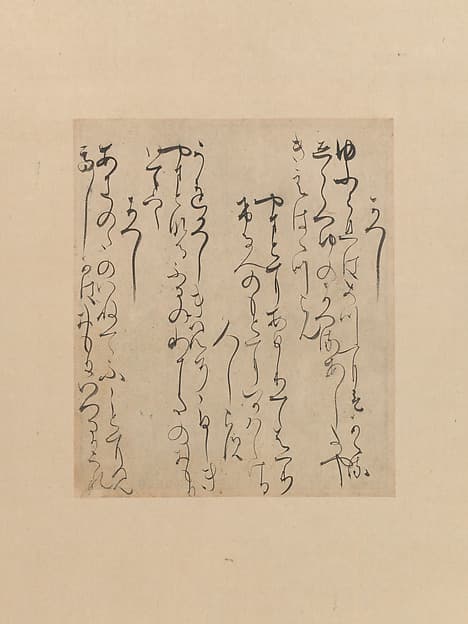
Three Poems from the Later Collection of Japanese Poems (Gosen wakashū)
Monk Saigyō · late 12th century

Sheet with Sketch of a Monk
Felice Giani, Italian, 1758–1823 · mid-18th–early 19th century
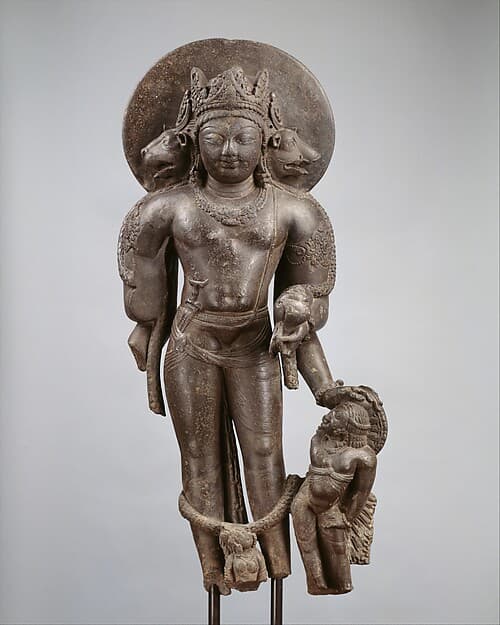
Vaikuntha Vishnu
Artist not stated in the record · last quarter of the 8th century

study of a costumed figure
Elihu Vedder, American, 1836 – 1923 · ca. 1890
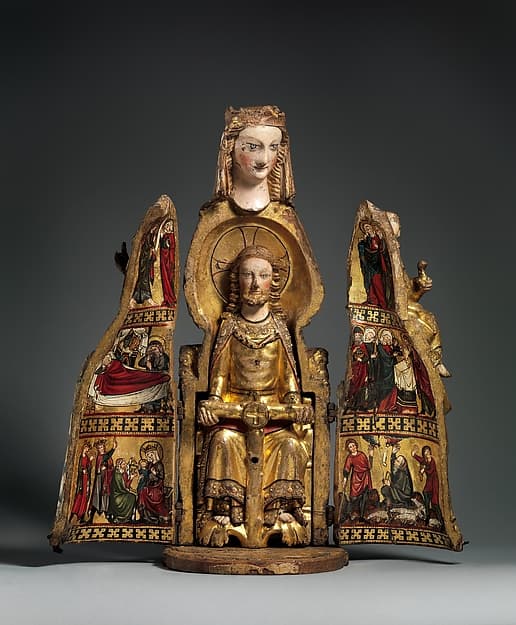
Shrine of the Virgin
Artist not stated in the record · ca. 1300

In St. Peter’s, Rome
Arnold William Brunner, American, 1857–1925 · ca. 1881
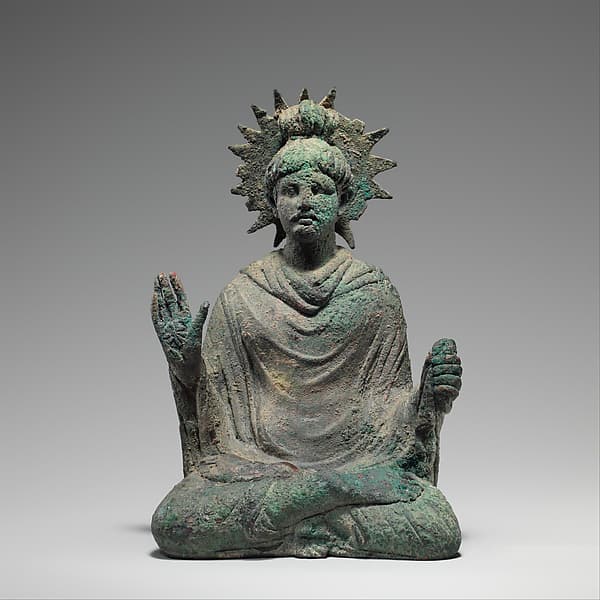
Seated Buddha
Artist not stated in the record · 1st to mid-2nd century

Study: The left hand of a monk
Artist not stated in the record · 1700–1750
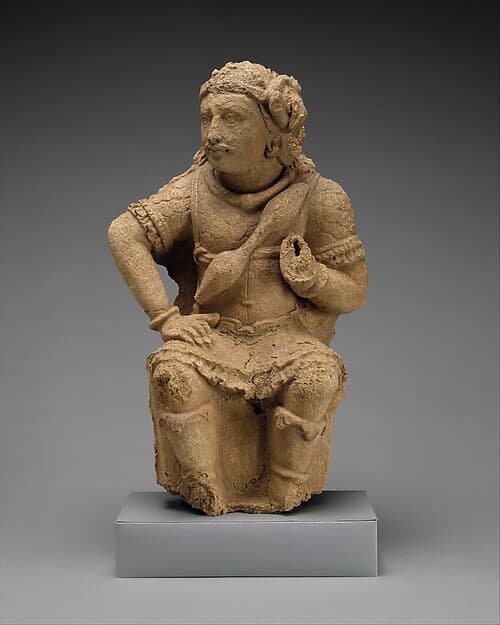
Door Guardian (Dvarapala)
Artist not stated in the record · ca. 4th century

Pompe funèbre de Marie Thérèse d’Espagne Dauphine de France, en l’église de Notre Dame de Paris, le XXIV novembre M.D.CCXLVI
Charles-Nicolas Cochin the younger, French, 1715–1790 · 1756
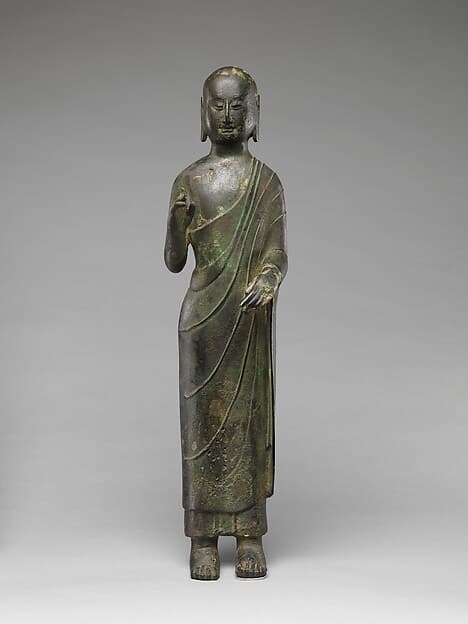
Monk
Artist not stated in the record · late 6th century

Studies for a Kneeling Monk
Giuseppe Passeri, Italian, 1654 - 1714 · 1775–1800
Where these records came from.
Two archives are wired, and only two. Each one is filtered on its own rights field — never on a title match, and never on the presence of an image file.
- The Met Collection API (Open Access)Rights field:
isPublicDomain. 37449 matched · 24 examined · 10 dropped by the rights gate. Kept only where isPublicDomain === true and a file URL was published.12 shown - Smithsonian Open Access API (api.si.edu)Rights field:
content.descriptiveNonRepeating.metadata_usage.access. 3857499 matched · 40 examined · 5 dropped by the rights gate. Kept only where metadata_usage.access === "CC0" and an image resource was published.12 shown
These figures describe the pass run at 2026-09-08 15:13 UTC, during this request. A completed pass is kept for 24 hours and replayed for an identical search, which is what keeps repeated queries inside Smithsonian’s 30-requests-per-hour allowance. A pass in which either archive failed to answer is never kept — an outage must not be replayed as though it were a finding about the catalogue.
Wikimedia Commons and the Library of Congress are deliberately not wired. Wikimedia was confirmed, on a live query, to return CC-BY material inside the same result set as genuine public domain works, and filtering it safely has not been designed yet. loc.gov was blocked by bot detection during the source evaluation, so its rights vocabulary has never been observed — and nothing here is built on a field nobody has read.
An image file is a rights claim. It never travels without its field.