 Open
OpenTwo archives, queried live.
Every record below comes from The Met or Smithsonian Open Access and was filtered on that archive’s own rights field before it reached this page. 24 shown for “Fragment from the sarcophagus of Usermaatre, son of Djedkhonsuefankh” — 64 records examined, 3 dropped by the rights gate.
Archives queried 2026-09-04 14:06 UTC · fetched live for this request
isPublicDomain field is true for this object.metadata_usage.access reads CC0 — a waiver, not an expired term.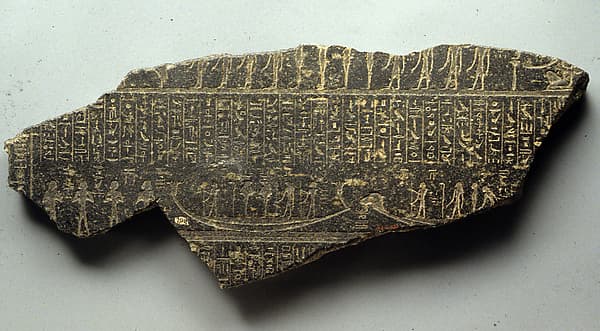
Fragment from the sarcophagus of Usermaatre, son of Djedkhonsuefankh
Artist not stated in the record · 360–300 BCE

Designs for a Capital, Sarcophagus, and Relief
Romolo Achille Liverani, Italian, 1809 - 1872 · ca. 1840
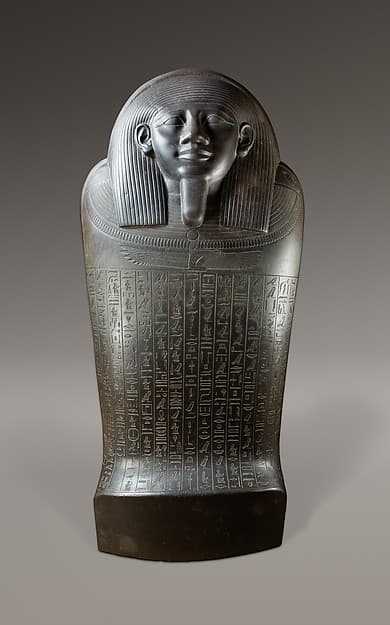
Sarcophagus of Harkhebit
Artist not stated in the record · 595–526 BCE

Studies for a Sepulchral Monument, possibly commissioned by King John II of Portugal-Brazil (1815-1826)
Camillo Gajani, Italian · ca. 1820
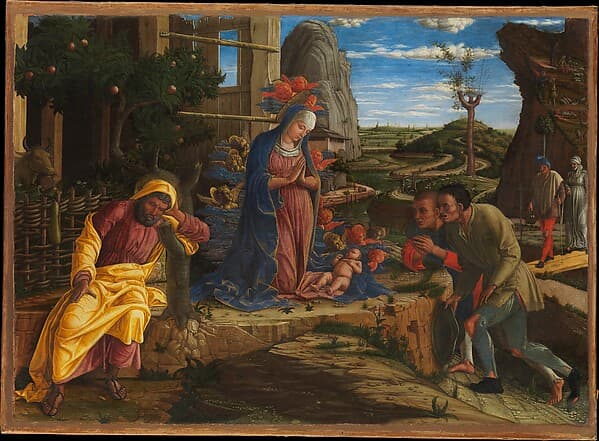
The Adoration of the Shepherds
Andrea Mantegna · shortly after 1450

Sepulchral Monument of the Three Last Stuarts
Artist not stated in the record · 1788–1793
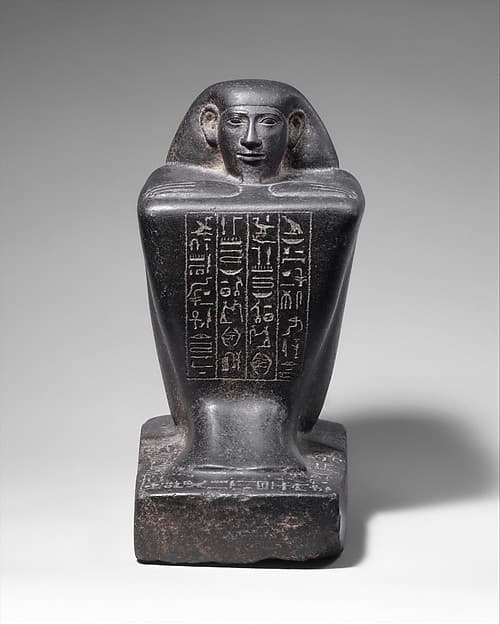
Block Statue of a Prophet of Montu and Scribe Djedkhonsuefankh, son of Khonsumes and Taat
Artist not stated in the record · 690–610 BCE

Sepulchral Monument
Mauro Antonio Tesi, Italian, 1730 - 1766 · ca. 1760
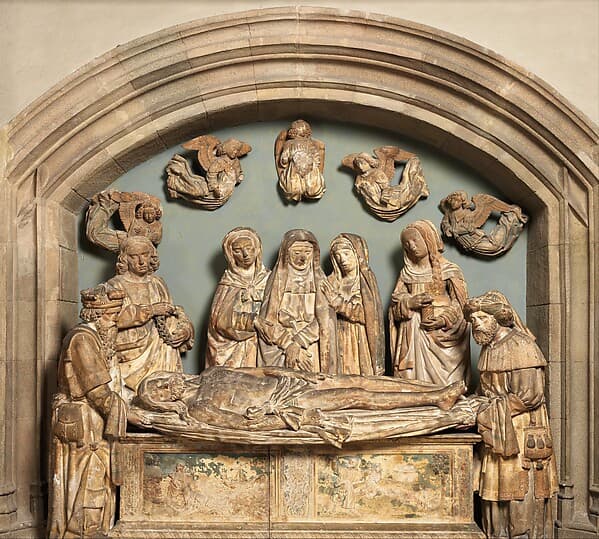
Entombment of Christ
Artist not stated in the record · ca. 1515

Three Designs for the Elevation of a Sepulchral Monument
Giuseppe Barberi, Italian, 1746–1809 · 1746-1809
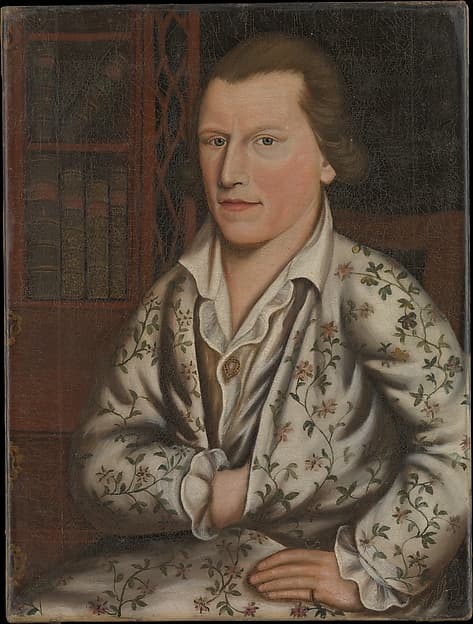
Portrait of William Duguid
Prince Demah Barnes · 1773

Sarcophagus
Giuseppe Barberi, Italian, 1746–1809 · ca. 1780
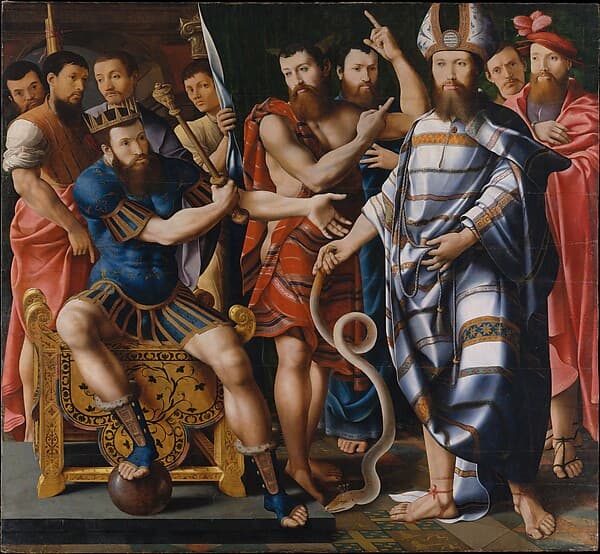
Moses and Aaron before Pharaoh: An Allegory of the Dinteville Family
Master of the Dinteville Allegory · 1537

Monument of King Louis XVI of France
Giuseppe Barberi, Italian, 1746–1809 · 1793
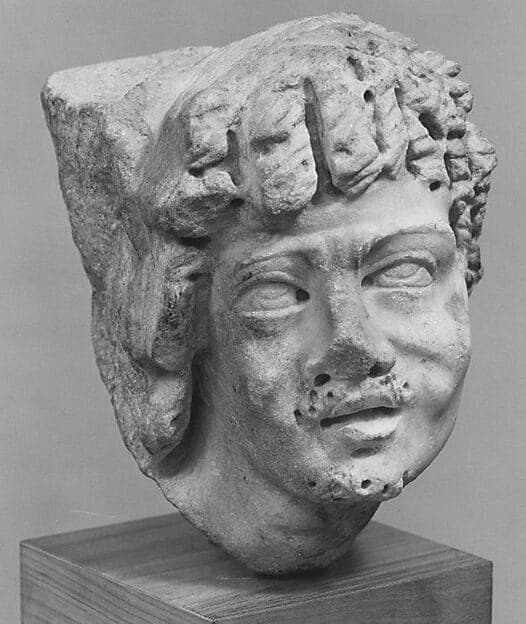
Marble sarcophagus fragment: head of a Black African
Artist not stated in the record · 1st quarter of the 3rd century CE

Roman Sarcophagus
Frederic Edwin Church, American, 1826–1900 · October 1868 - April 1869
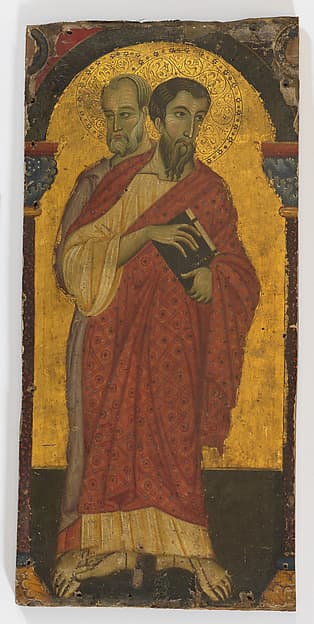
Saints Bartholomew and Simon
Master of Saint Francis · ca. 1272

Stuart Monument
Giuseppe Barberi, Italian, 1746–1809 · 1793
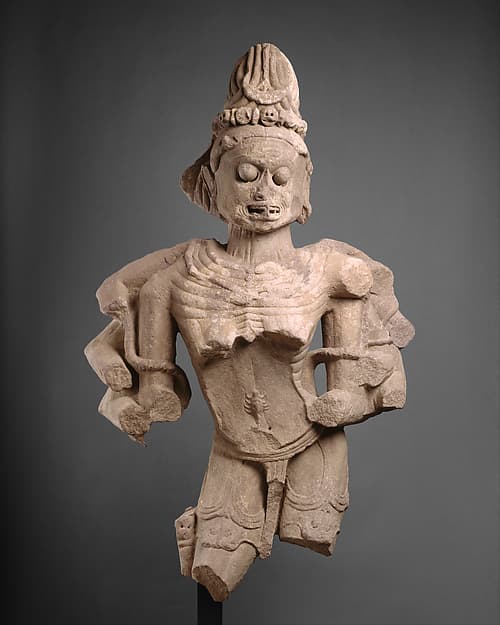
Chamunda, the Horrific Destroyer of Evil
Artist not stated in the record · 10th–11th century

Salix safsaf Forssk.
Artist not stated in the record · 189
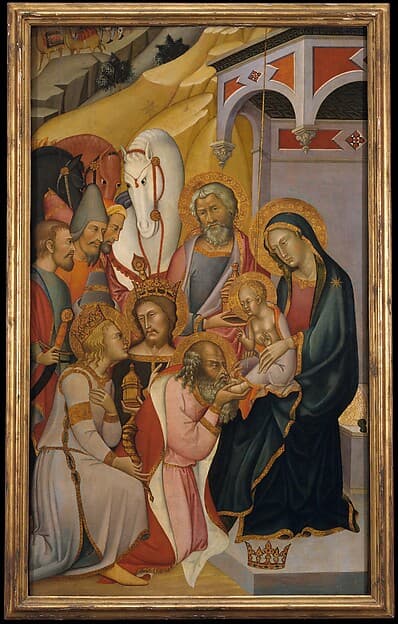
The Adoration of the Magi
Bartolo di Fredi · ca. 1390

Four Designs for Sepulchral Monuments
Giuseppe Barberi, Italian, 1746–1809 · 1746-1809
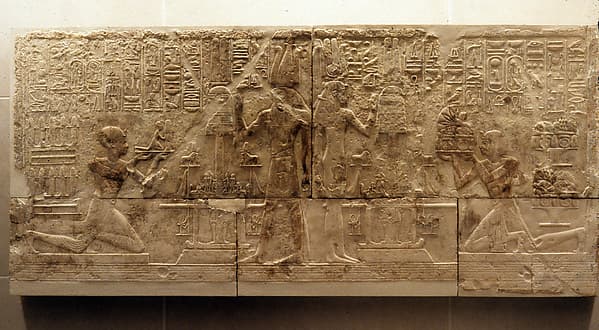
Relief from the West Wall of a Chapel of Ramesses I
Artist not stated in the record · ca. 1299–1290 BCE

Design for a Sarcophagus
Giuseppe Barberi, Italian, 1746–1809 · ca. 1780
Where these records came from.
Two archives are wired, and only two. Each one is filtered on its own rights field — never on a title match, and never on the presence of an image file.
- The Met Collection API (Open Access)Rights field:
isPublicDomain. 371 matched · 24 examined · 0 dropped by the rights gate. Kept only where isPublicDomain === true and a file URL was published.12 shown - Smithsonian Open Access API (api.si.edu)Rights field:
content.descriptiveNonRepeating.metadata_usage.access. 3083636 matched · 40 examined · 3 dropped by the rights gate. Kept only where metadata_usage.access === "CC0" and an image resource was published.12 shown
These figures describe the pass run at 2026-09-04 14:06 UTC, during this request. A completed pass is kept for 24 hours and replayed for an identical search, which is what keeps repeated queries inside Smithsonian’s 30-requests-per-hour allowance. A pass in which either archive failed to answer is never kept — an outage must not be replayed as though it were a finding about the catalogue.
Wikimedia Commons and the Library of Congress are deliberately not wired. Wikimedia was confirmed, on a live query, to return CC-BY material inside the same result set as genuine public domain works, and filtering it safely has not been designed yet. loc.gov was blocked by bot detection during the source evaluation, so its rights vocabulary has never been observed — and nothing here is built on a field nobody has read.
An image file is a rights claim. It never travels without its field.