 Open
OpenTwo archives, queried live.
Every record below comes from The Met or Smithsonian Open Access and was filtered on that archive’s own rights field before it reached this page. 21 shown for “Fujiwara no Kamatari as a Shinto Deity” — 64 records examined, 31 dropped by the rights gate.
Archives queried 2026-09-05 23:27 UTC · fetched live for this request
isPublicDomain field is true for this object.metadata_usage.access reads CC0 — a waiver, not an expired term.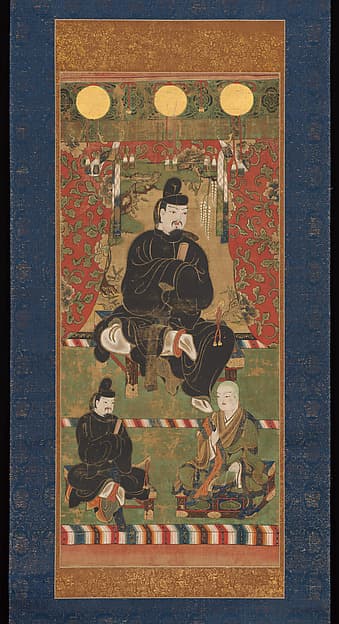
Fujiwara no Kamatari as a Shinto Deity
Artist not stated in the record · after 1350

Mishima, Morning Mist, in The Fifty-Three Stations of the Tokaido Road (Tokaido Gojusan Tsugi-no Uchi)
Ando Hiroshige, Japanese, 1797–1858 · ca. 1834
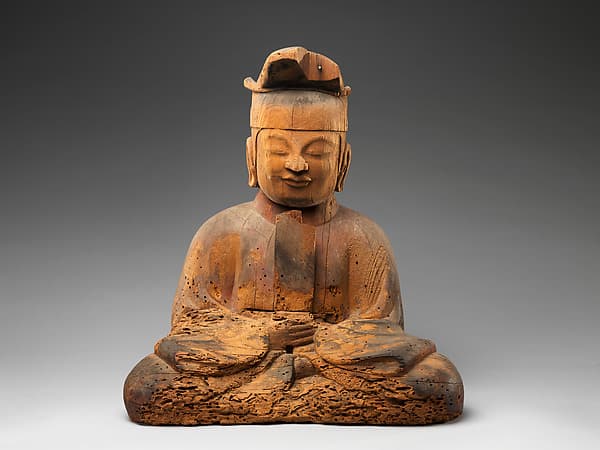
Male and Female Shinto Deities
Artist not stated in the record · 10th century

“The Poem of Fujiwara no Michinobu Ason” from the series The Hundred Poems Explained by the Nurse (Hyaku’nin Isshu Uba-ga-Etoki)
Artist not stated in the record · 1839
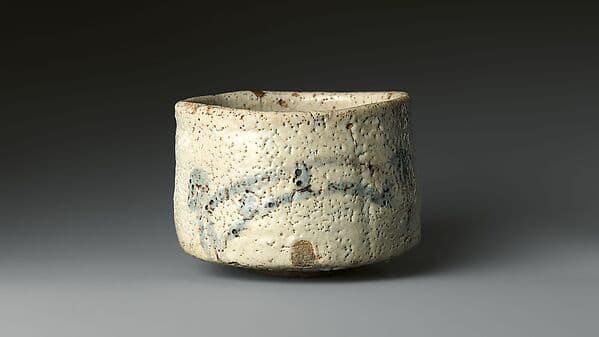
Shino Tea Bowl with Bridge and Shrine, Known as “Bridge of the Gods” (Shinkyō)
Artist not stated in the record · late 16th–early 17th century

Tenjin (Sugawara no Michizane) with an ox
Artist not stated in the record · 16th century
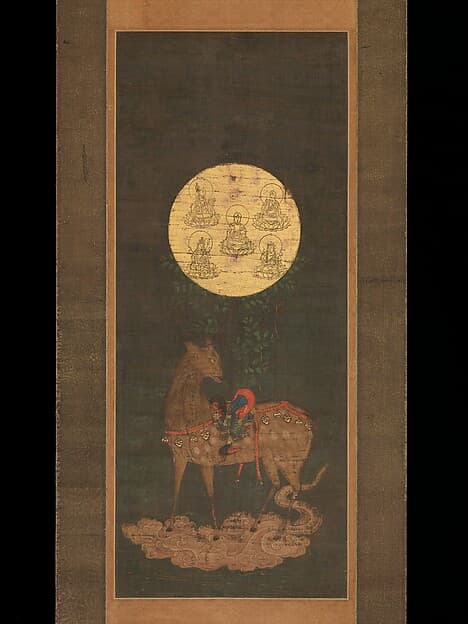
Kasuga Deer Mandala (Kasuga shika mandara zu)
Artist not stated in the record · late 14th century

Inari Shrine at Oji (Oji Inari no yashiro) From the Series One Hundred Famous views of Edo
Ando Hiroshige, Japanese, 1797–1858 · 1857
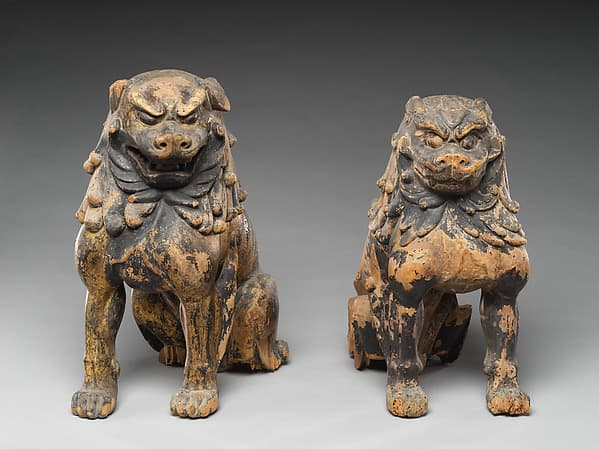
Guardian Lion-Dogs
Artist not stated in the record · mid-13th century

Grotesque with Deities. Plate 04 “Juno,” 2nd state
René Boyvin, French, 1525 - 1625 · ca. 1540
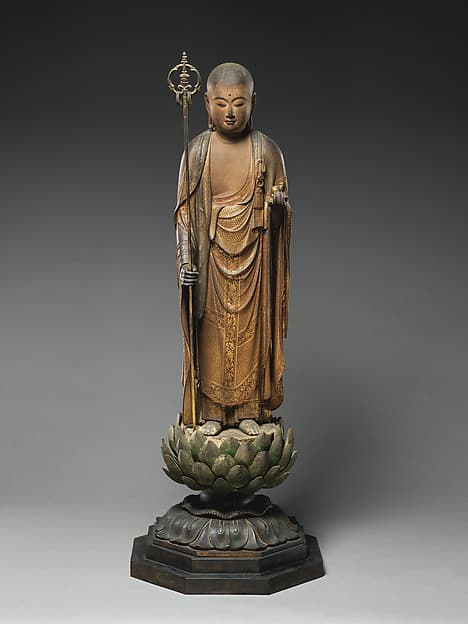
The Bodhisattva Jizō
Intan · 1291

Sorex shinto
Artist not stated in the record · 15 Oct 1958
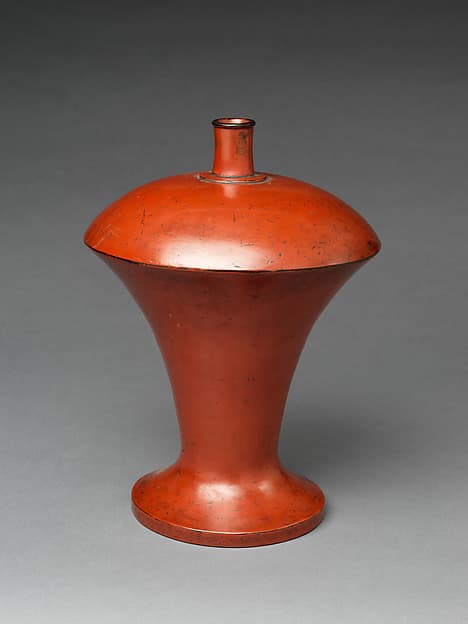
Sake vessel (Heishi)
Artist not stated in the record · late 16th century

Sadashiva worshipped by Parvati
Attributed to Devidasa (Indian, active 1690-1695) · ca. 1690
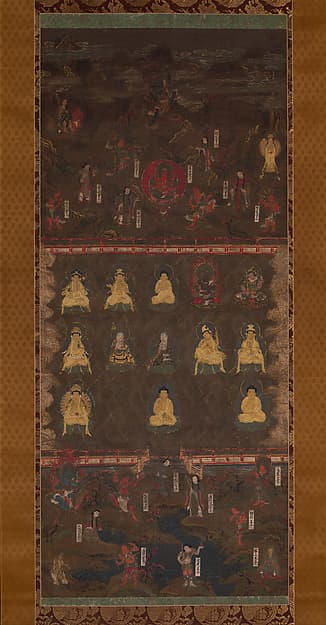
Kumano Mandala
Artist not stated in the record · early 14th century

Sorex shinto
Artist not stated in the record · 13 Jul 1952
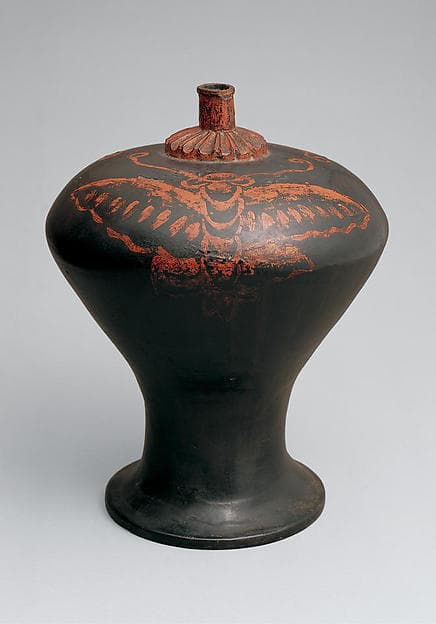
Sake Vessel (Heishi) with Butterflies
Artist not stated in the record · 15th century

Tiraz embroidery
Artist not stated in the record · 10th–11th century
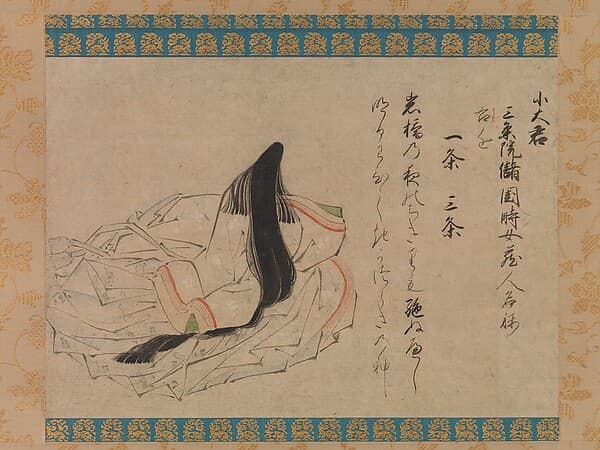
The Poet Koōgimi, from the “Fujifusa Version” of Thirty-six Poetic Immortals (Fujifusa-bon Sanjūrokkasen emaki)l
Artist not stated in the record · 15th century
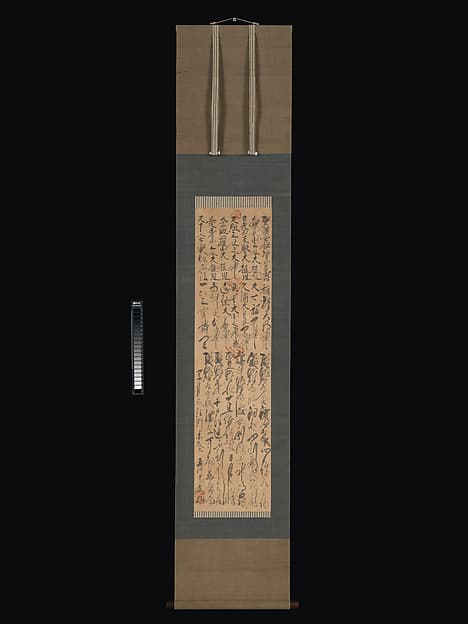
Sacred Names of Shinto Deities and the "Oracles of the Three Shrines"
Mokujiki Shōnin · 1805
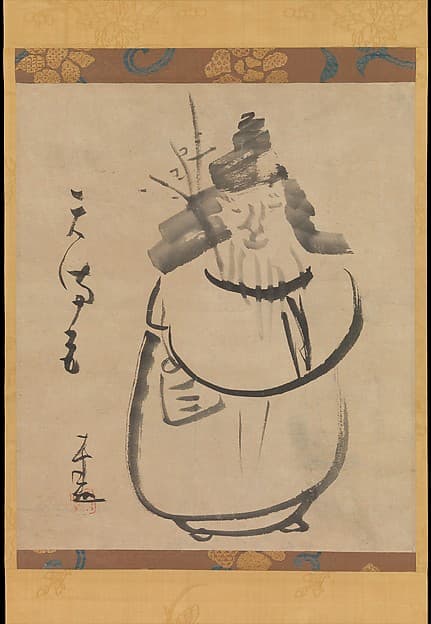
“Tenmangū,” Sugawara no Michizane as Tenjin Traveling to China
Sengai Gibon · early 19th century
Where these records came from.
Two archives are wired, and only two. Each one is filtered on its own rights field — never on a title match, and never on the presence of an image file.
- The Met Collection API (Open Access)Rights field:
isPublicDomain. 37 matched · 24 examined · 0 dropped by the rights gate. Kept only where isPublicDomain === true and a file URL was published.12 shown - Smithsonian Open Access API (api.si.edu)Rights field:
content.descriptiveNonRepeating.metadata_usage.access. 2039240 matched · 40 examined · 31 dropped by the rights gate. Kept only where metadata_usage.access === "CC0" and an image resource was published.9 shown
These figures describe the pass run at 2026-09-05 23:27 UTC, during this request. A completed pass is kept for 24 hours and replayed for an identical search, which is what keeps repeated queries inside Smithsonian’s 30-requests-per-hour allowance. A pass in which either archive failed to answer is never kept — an outage must not be replayed as though it were a finding about the catalogue.
Wikimedia Commons and the Library of Congress are deliberately not wired. Wikimedia was confirmed, on a live query, to return CC-BY material inside the same result set as genuine public domain works, and filtering it safely has not been designed yet. loc.gov was blocked by bot detection during the source evaluation, so its rights vocabulary has never been observed — and nothing here is built on a field nobody has read.
An image file is a rights claim. It never travels without its field.