 Open
OpenTwo archives, queried live.
Every record below comes from The Met or Smithsonian Open Access and was filtered on that archive’s own rights field before it reached this page. 24 shown for “Hathor Head from a Sistrum Handle” — 64 records examined, 28 dropped by the rights gate.
Archives queried 2026-08-27 01:13 UTC · fetched live for this request
isPublicDomain field is true for this object.metadata_usage.access reads CC0 — a waiver, not an expired term.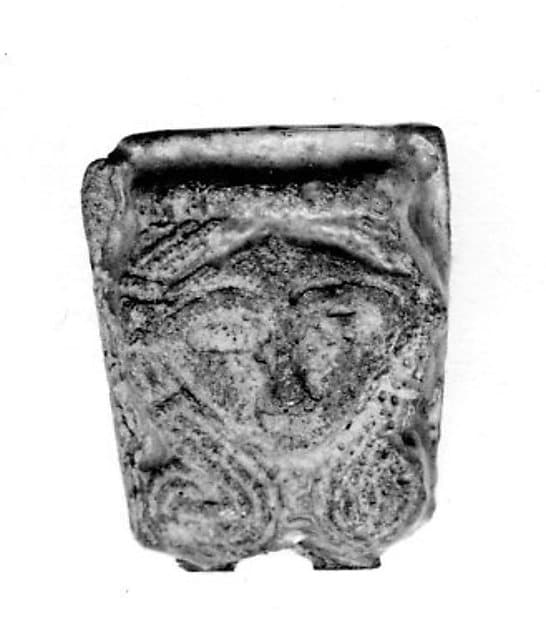
Hathor Head from a Sistrum Handle
Artist not stated in the record · ca. 1550–1300 BCE

Vase After the Antique
Aubert Henri Joseph A. Parent, French, 1753–1835 · 1789-1792
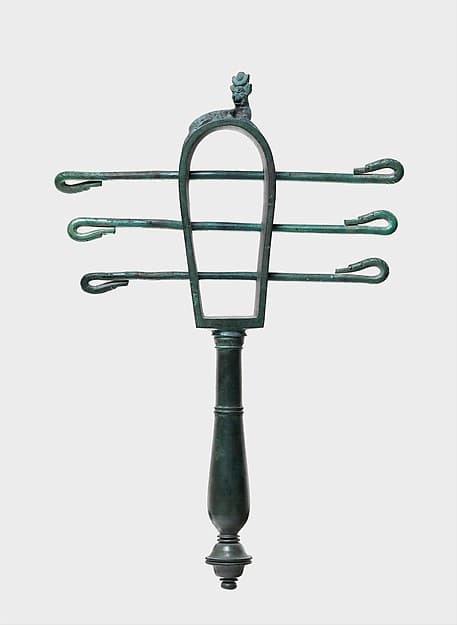
Sistrum
Artist not stated in the record · 1st–2nd century CE

Kourt King croquet game set mallets from Rock Rest Tourist Home
Artist not stated in the record · mid 20th century
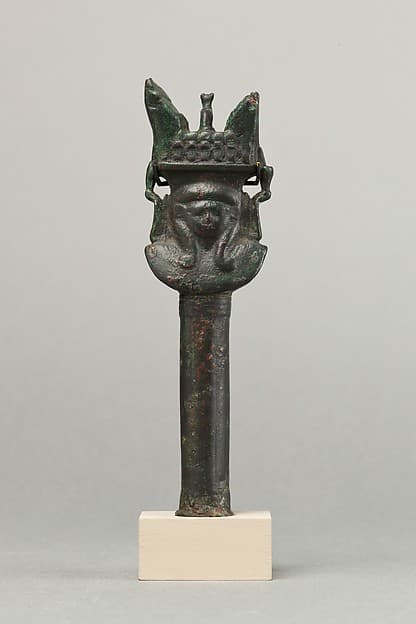
Handle of sistrum
Artist not stated in the record · 664–30 BCE

Sugar cane cutter
Artist not stated in the record · 19th century
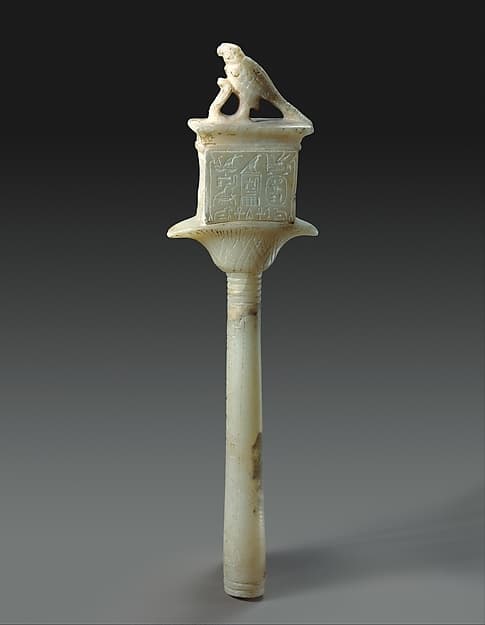
Sistrum Inscribed with the Names of King Teti
Artist not stated in the record · ca. 2323–2291 BCE

Circular hammer backstamping handstamp
Artist not stated in the record · 1880-1913
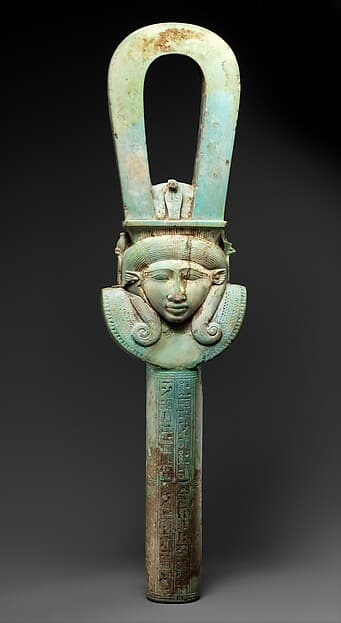
Arc sistrum with a hymn to Hathor
Artist not stated in the record · 332–30 BCE

Splitting maul owned by Melody Starya Mobley
Artist not stated in the record · 1980
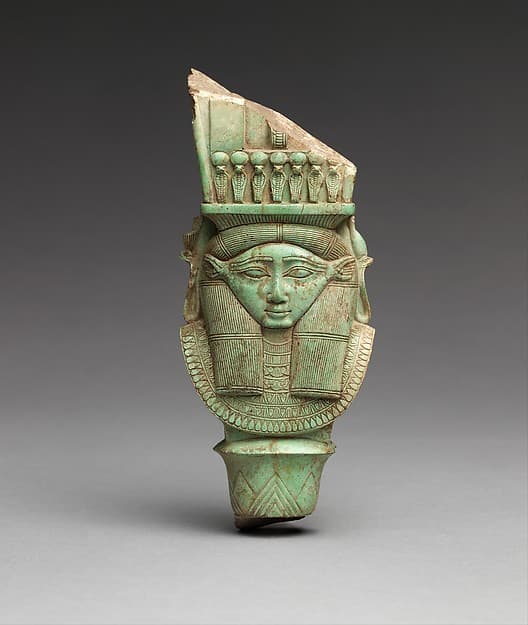
Bat / Hathor emblem from a sistrum
Artist not stated in the record · 664–332 BCE

Spoons
Artist not stated in the record · 1825–50
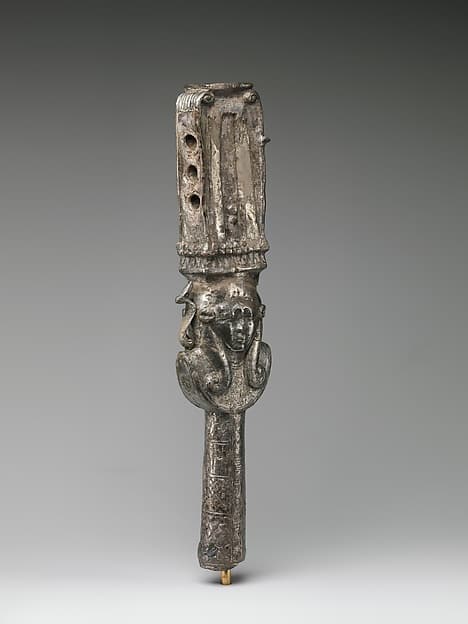
Sistrum with a dedication referring to a king
Artist not stated in the record · 332–30 BCE

Mackerel Corner, NH, postmark handstamp
Artist not stated in the record · c. 1840s-1850s
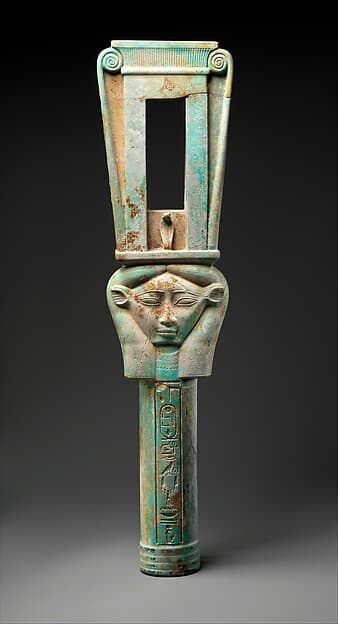
Shrine sistrum of King Apries
Artist not stated in the record · 589–570 BCE

Vases, from Le Blanc 4.
Artist not stated in the record · ca. 1750
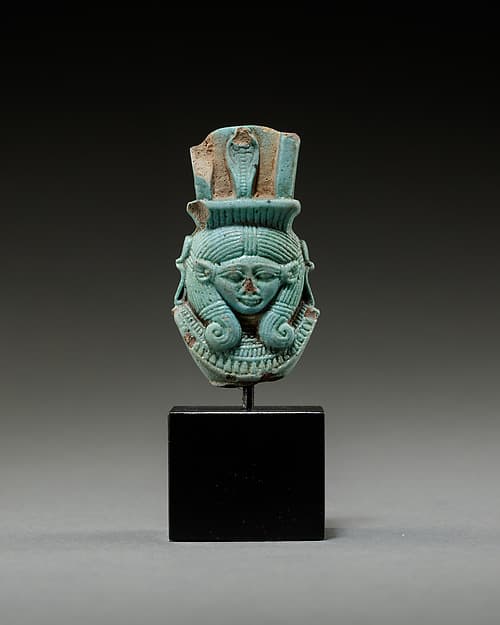
Part of a sistrum
Artist not stated in the record · 664–30 BCE

Tureen with Sphinx-Head Handles
Meissen Porcelain Manufactory, German, active from 1710 to the present · ca. 1810
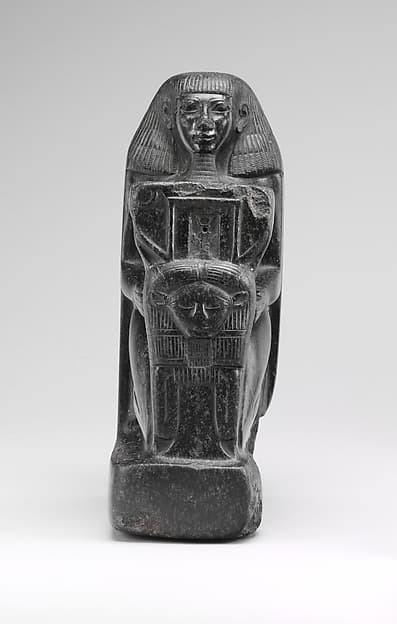
Statue of Senenmut Holding a Sistrum
Artist not stated in the record · ca. 1473–1458 BCE

Table knocker from the Paradise Club
Artist not stated in the record · 1919-1959
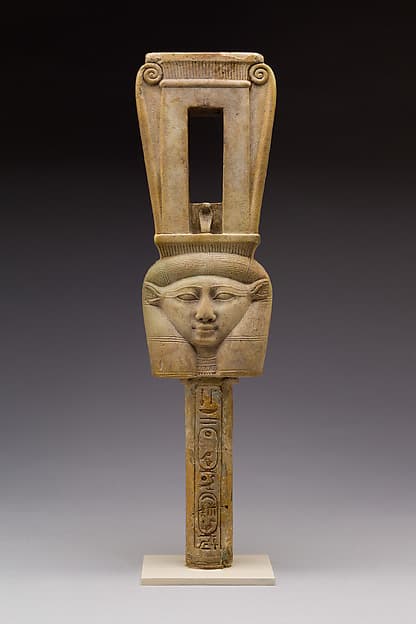
Sistrum with the Name of King Amasis
Artist not stated in the record · 570–526 BCE

Sistrum alfredensis
Artist not stated in the record
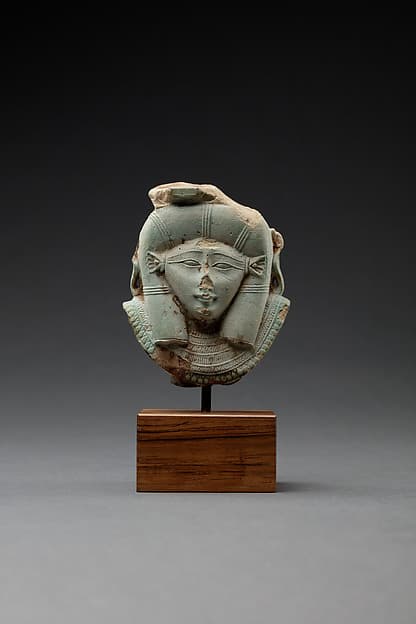
Hathor emblem from a sistrum
Artist not stated in the record · 664–332 BCE

Handscreen
Artist not stated in the record · 18th century
Where these records came from.
Two archives are wired, and only two. Each one is filtered on its own rights field — never on a title match, and never on the presence of an image file.
- The Met Collection API (Open Access)Rights field:
isPublicDomain. 2752 matched · 24 examined · 1 dropped by the rights gate. Kept only where isPublicDomain === true and a file URL was published.12 shown - Smithsonian Open Access API (api.si.edu)Rights field:
content.descriptiveNonRepeating.metadata_usage.access. 1992427 matched · 40 examined · 27 dropped by the rights gate. Kept only where metadata_usage.access === "CC0" and an image resource was published.12 shown
These figures describe the pass run at 2026-08-27 01:13 UTC, during this request. A completed pass is kept for 24 hours and replayed for an identical search, which is what keeps repeated queries inside Smithsonian’s 30-requests-per-hour allowance. A pass in which either archive failed to answer is never kept — an outage must not be replayed as though it were a finding about the catalogue.
Wikimedia Commons and the Library of Congress are deliberately not wired. Wikimedia was confirmed, on a live query, to return CC-BY material inside the same result set as genuine public domain works, and filtering it safely has not been designed yet. loc.gov was blocked by bot detection during the source evaluation, so its rights vocabulary has never been observed — and nothing here is built on a field nobody has read.
An image file is a rights claim. It never travels without its field.