 Open
OpenTwo archives, queried live.
Every record below comes from The Met or Smithsonian Open Access and was filtered on that archive’s own rights field before it reached this page. 20 shown for “Head of a goddess, probably Mut, for attachment to a processional barque” — 64 records examined, 33 dropped by the rights gate.
Archives queried 2026-09-02 02:59 UTC · fetched live for this request
isPublicDomain field is true for this object.metadata_usage.access reads CC0 — a waiver, not an expired term.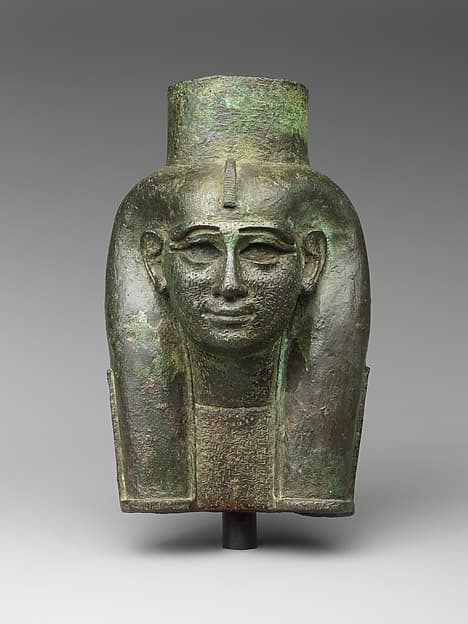
Head of a goddess, probably Mut, for attachment to a processional barque
Artist not stated in the record · ca. 721–664 BCE

Design for a Ceiling Painting: Diana Selene Perceives Endymion
Artist not stated in the record · 1750–1800
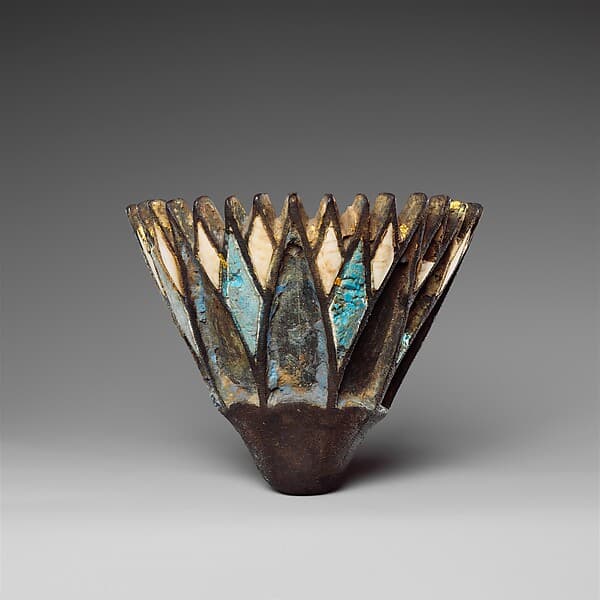
Water lily attachment, probably for a processional barque
Artist not stated in the record · ca. 1080–664 BCE or later

Wall Barometer Design
Jean François Forty, active 1775 – 1790 · 1775–94
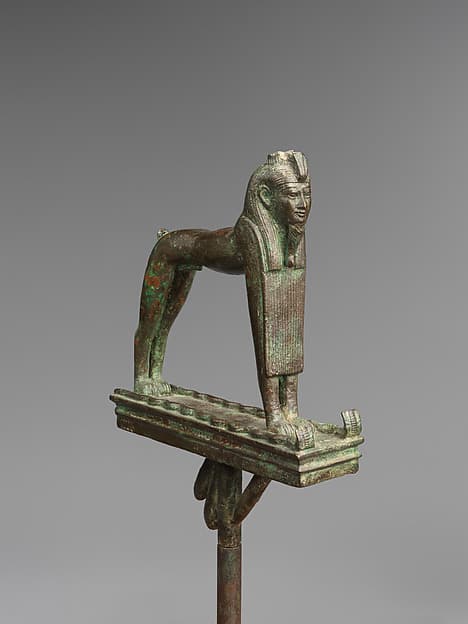
Sib sphinx for a barque
Artist not stated in the record · 664–525 BCE

Mantel Clock Design
Jean François Forty, active 1775 – 1790 · 1775–94
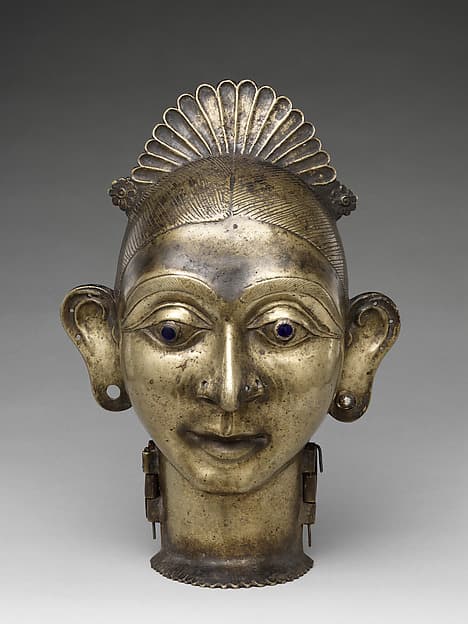
Processional image of the goddess Gauri
Artist not stated in the record · ca. 18th century

Wall Decoration with Oriental Landscape, probably for Conservatory/Music Room, Royal Pavilion, Brighton
Frederick Crace, English, 1779–1859 · 1815–22
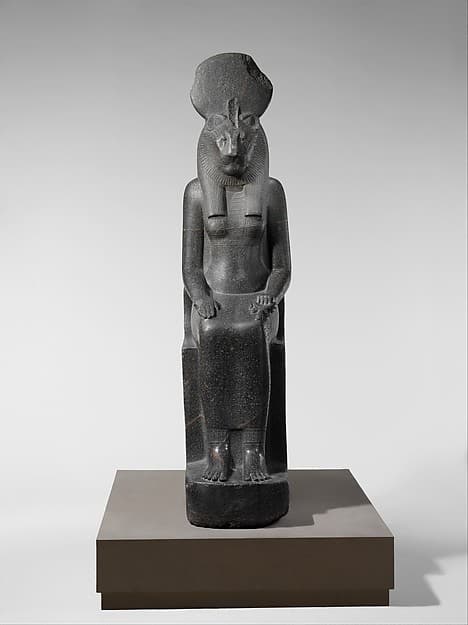
Statue of the Goddess Sakhmet
Artist not stated in the record · ca. 1386–1347 BCE

Cutlery sheath and cap
Artist not stated in the record · late 16th–early 17th century
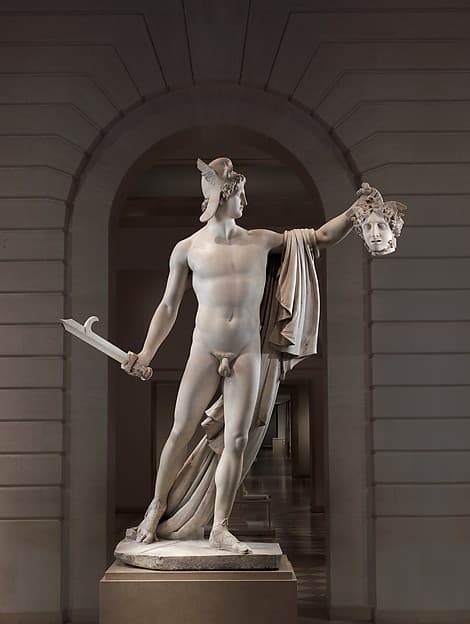
Perseus with the Head of Medusa
Antonio Canova · 1804–6

Scrimshaw etched with patriotic theme owned by John Wesley Cromwell
Unidentified · 1800-1850
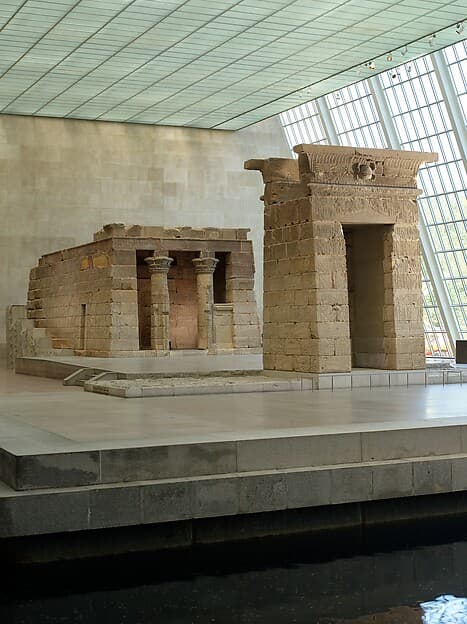
The Temple of Dendur
Artist not stated in the record · completed by 10 CE

Drawing
Felice Giani, Italian, 1758–1823 · 1813
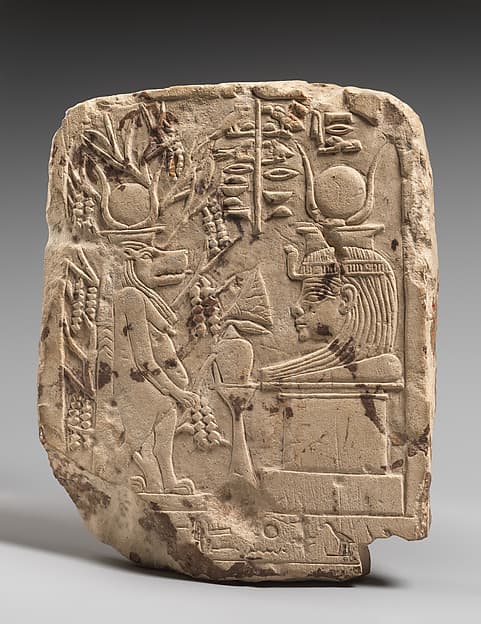
Stela with Taweret and Mut of Isheru
Artist not stated in the record · ca. 1386–1347 BCE

Tool, Wire Cutter
A.B.Chance Company
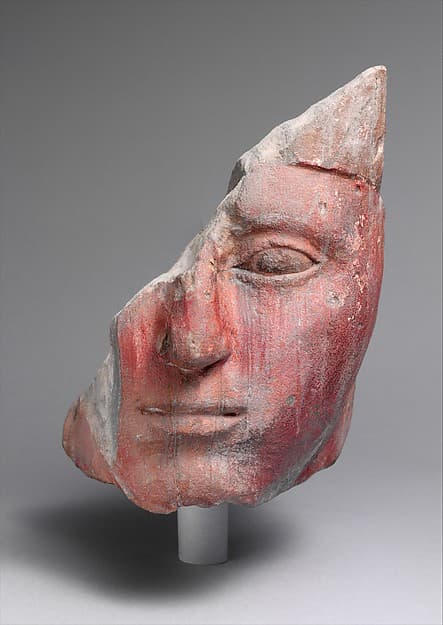
Head from a Statue of King Amenhotep I
Artist not stated in the record · ca. 1525–1504 BCE
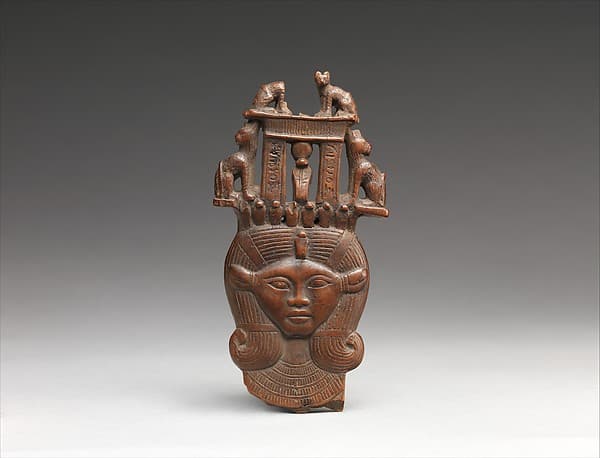
Head of Hathor from a clapper the inscription calling the musician who used it "beloved by the goddess Mut , Lady of Isheru (Karnak)
Artist not stated in the record · ca. 1300–664 BCE
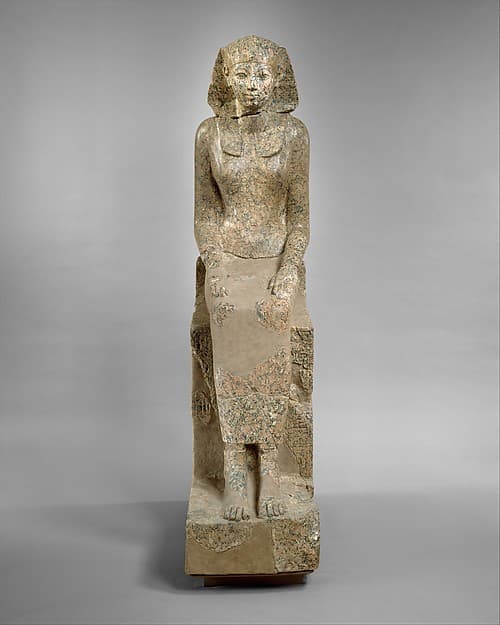
The Female Pharaoh Hatshepsut
Artist not stated in the record · ca. 1473–1458 BCE
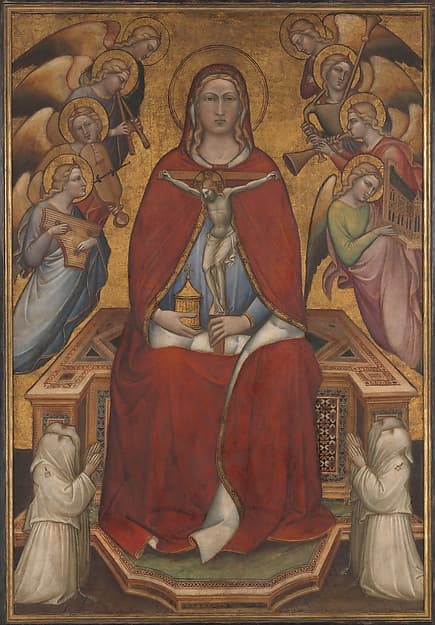
Saint Mary Magdalen Holding a Crucifix; (reverse) The Flagellation
Spinello Aretino (Spinello di Luca Spinelli) · ca. 1395–1400
Where these records came from.
Two archives are wired, and only two. Each one is filtered on its own rights field — never on a title match, and never on the presence of an image file.
- The Met Collection API (Open Access)Rights field:
isPublicDomain. 42 matched · 24 examined · 1 dropped by the rights gate. Kept only where isPublicDomain === true and a file URL was published.12 shown - Smithsonian Open Access API (api.si.edu)Rights field:
content.descriptiveNonRepeating.metadata_usage.access. 4159439 matched · 40 examined · 32 dropped by the rights gate. Kept only where metadata_usage.access === "CC0" and an image resource was published.8 shown
These figures describe the pass run at 2026-09-02 02:59 UTC, during this request. A completed pass is kept for 24 hours and replayed for an identical search, which is what keeps repeated queries inside Smithsonian’s 30-requests-per-hour allowance. A pass in which either archive failed to answer is never kept — an outage must not be replayed as though it were a finding about the catalogue.
Wikimedia Commons and the Library of Congress are deliberately not wired. Wikimedia was confirmed, on a live query, to return CC-BY material inside the same result set as genuine public domain works, and filtering it safely has not been designed yet. loc.gov was blocked by bot detection during the source evaluation, so its rights vocabulary has never been observed — and nothing here is built on a field nobody has read.
An image file is a rights claim. It never travels without its field.