 Open
OpenTwo archives, queried live.
Every record below comes from The Met or Smithsonian Open Access and was filtered on that archive’s own rights field before it reached this page. 20 shown for “Knife from Folding Cultery Set” — 48 records examined, 26 dropped by the rights gate.
Archives queried 2026-09-03 05:01 UTC · fetched live for this request
isPublicDomain field is true for this object.metadata_usage.access reads CC0 — a waiver, not an expired term.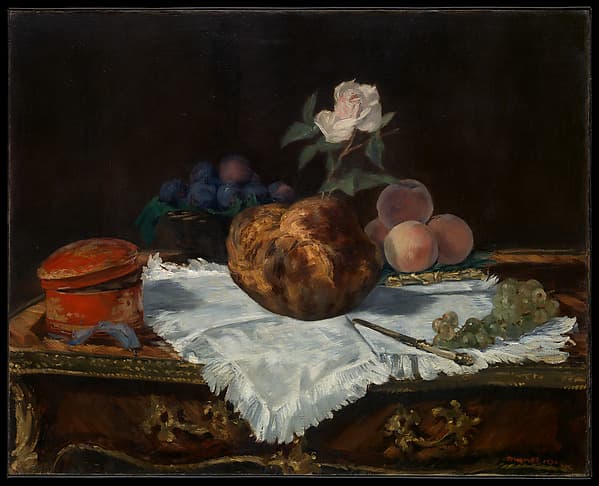
The Brioche
Edouard Manet · 1870

Knife from Folding Cultery Set
Artist not stated in the record · 1680–1720
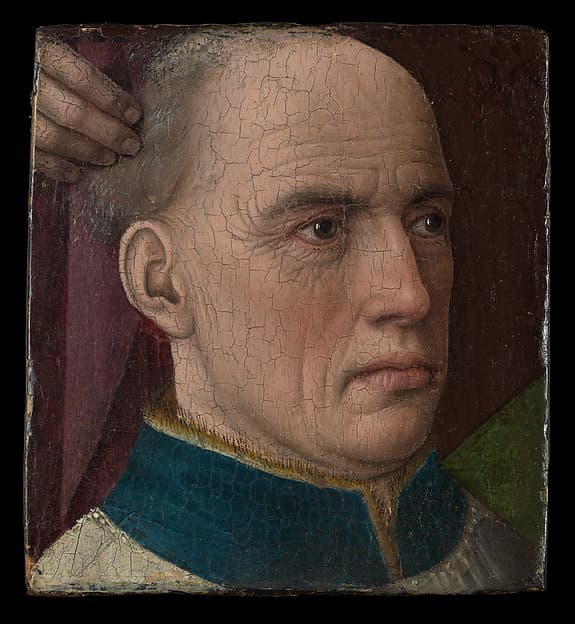
Head of a Donor
Albert van Ouwater · ca. 1465–70

Folding Fork (Part of Traveling Cultery Set)
Artist not stated in the record · ca. 1790–1800
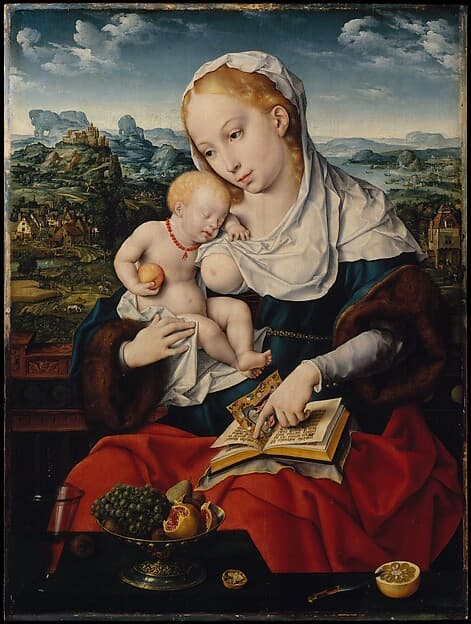
Virgin and Child
Joos van Cleve · ca. 1525

Folding Knife (Part of Traveling Cutlery Set)
Artist not stated in the record · ca. 1790–1800
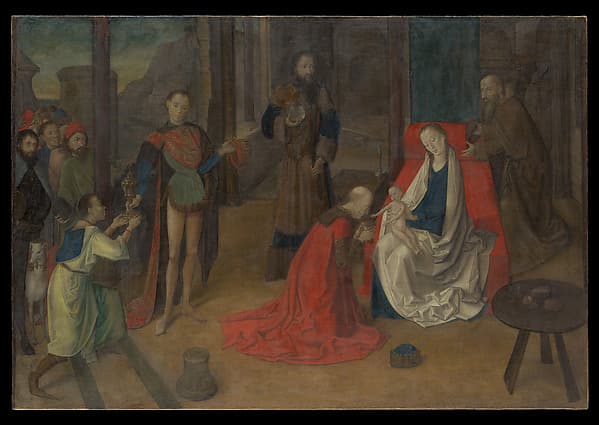
The Adoration of the Magi
Joos van Wassenhove · 1472–74

Folding Spoon (Part of Traveling Cutlery Set)
Artist not stated in the record · 1790–1800
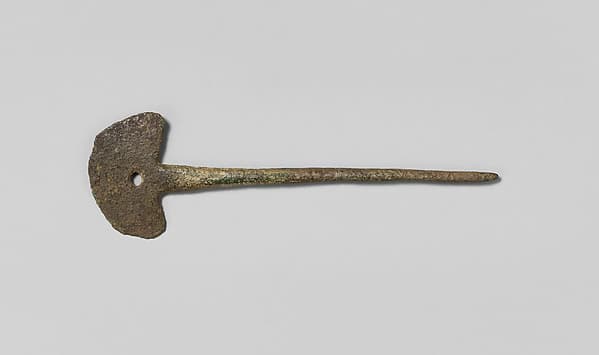
Tupu (pin)
Artist not stated in the record · 1400–1533 CE

Folding Knife with Gold Plated Silver Handle From Traveling Cutlery Set
Artist not stated in the record · ca. 1827
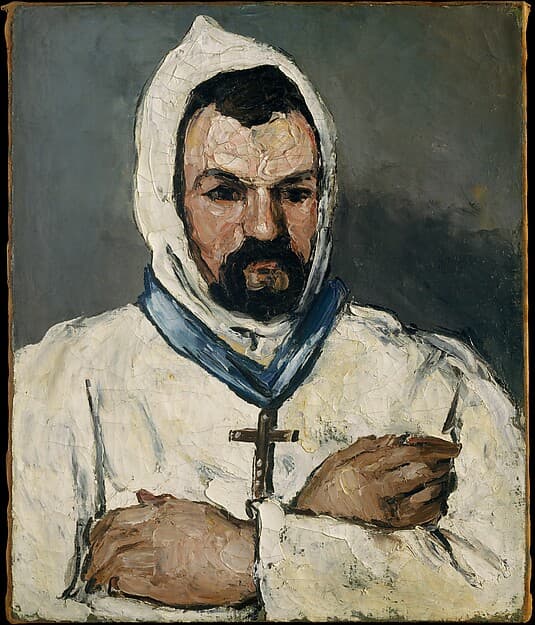
Antoine Dominique Sauveur Aubert (born 1817), the Artist's Uncle, as a Monk
Paul Cézanne · 1866
Folding Knife From Traveling Cutlery Set
Artist not stated in the record · ca. 1720–50
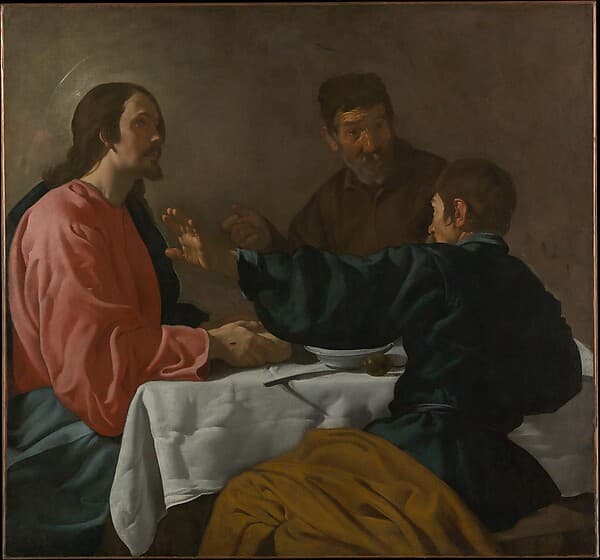
The Supper at Emmaus
Velázquez (Diego Rodríguez de Silva y Velázquez) · 1622–23

Folding Knife From Traveling Cutlery Set
Artist not stated in the record · ca. 1790
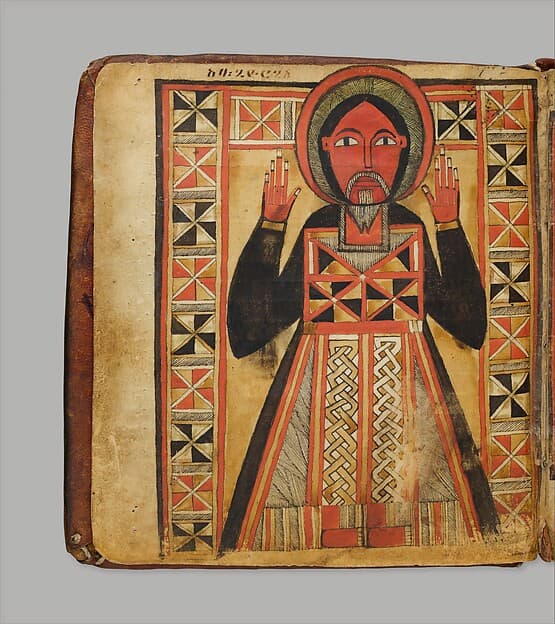
Arganonä Maryam (The Organ of Mary) prayer book
Baselyos, also known as "The Ground Hornbill Master" · late 17th century
Folding Spoon From Traveling Cutlery Set
Artist not stated in the record · ca. 1790

Folding Fork From Traveling Cutlery Set
Artist not stated in the record · ca. 1790

Folding Fork with Engraved Decoration From Traveling Cutlery Set
Artist not stated in the record · ca. 1827

Folding Spoon with Engraved Decoration From Traveling Cutlery Set
Artist not stated in the record · ca. 1827

Folding Cutlery Set
Artist not stated in the record · ca. 1780
Where these records came from.
Two archives are wired, and only two. Each one is filtered on its own rights field — never on a title match, and never on the presence of an image file.
- The Met Collection API (Open Access)Rights field:
isPublicDomain. 8 matched · 8 examined · 0 dropped by the rights gate. Kept only where isPublicDomain === true and a file URL was published.8 shown - Smithsonian Open Access API (api.si.edu)Rights field:
content.descriptiveNonRepeating.metadata_usage.access. 438669 matched · 40 examined · 26 dropped by the rights gate. Kept only where metadata_usage.access === "CC0" and an image resource was published.12 shown
These figures describe the pass run at 2026-09-03 05:01 UTC, during this request. A completed pass is kept for 24 hours and replayed for an identical search, which is what keeps repeated queries inside Smithsonian’s 30-requests-per-hour allowance. A pass in which either archive failed to answer is never kept — an outage must not be replayed as though it were a finding about the catalogue.
Wikimedia Commons and the Library of Congress are deliberately not wired. Wikimedia was confirmed, on a live query, to return CC-BY material inside the same result set as genuine public domain works, and filtering it safely has not been designed yet. loc.gov was blocked by bot detection during the source evaluation, so its rights vocabulary has never been observed — and nothing here is built on a field nobody has read.
An image file is a rights claim. It never travels without its field.