 Open
OpenTwo archives, queried live.
Every record below comes from The Met or Smithsonian Open Access and was filtered on that archive’s own rights field before it reached this page. 17 shown for “Large Storage Jar for Cool Water With a Bejeweled Lion, Hare, and Deer” — 45 records examined, 27 dropped by the rights gate.
Archives queried 2026-08-28 14:22 UTC · fetched live for this request
isPublicDomain field is true for this object.metadata_usage.access reads CC0 — a waiver, not an expired term.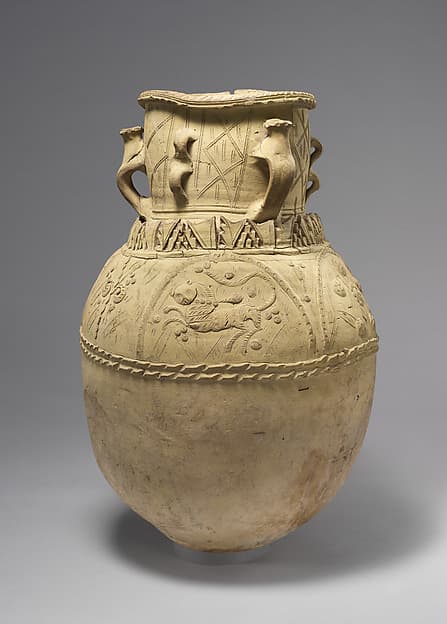
Large Storage Jar for Cool Water With a Bejeweled Lion, Hare, and Deer
Artist not stated in the record · 8th–10th century

Design for an Escutcheon with Allusions to Egypt
Juste-Aurèle Meissonnier, French, b. Italy, 1695–1750 · 1725–50
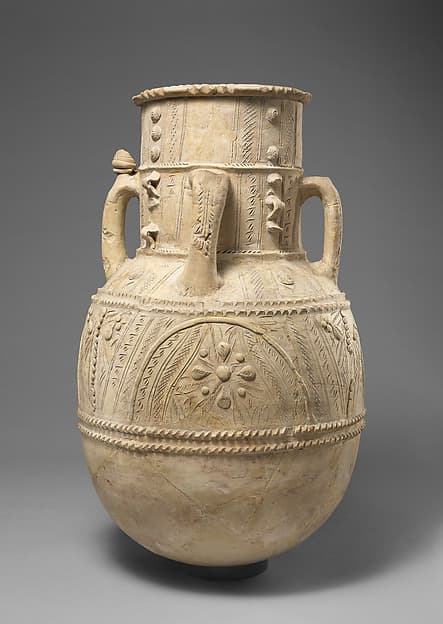
Large Storage Jar for Cool Water With Flower Motifs
Artist not stated in the record · 8th–10th century

Design for Woven Silk and Embroidery, with Lion attacking a Deer (recto) and Woman swallowed by Fish (verso)
Unknown · late 14th century
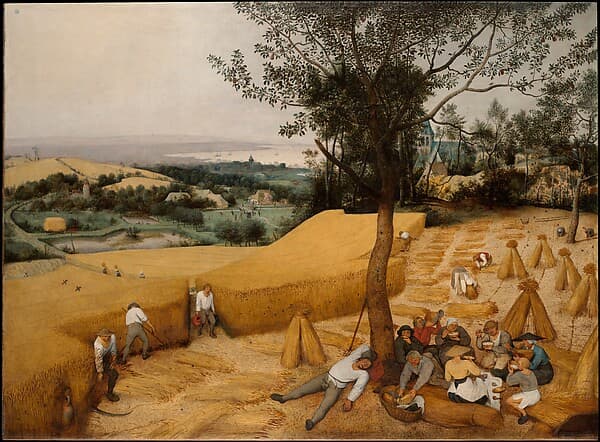
The Harvesters
Pieter Bruegel the Elder · 1565

Stoneware storage jar by David Drake (Dave the Potter)
David Drake, American, circa 1800 - circa 1870 · 1852
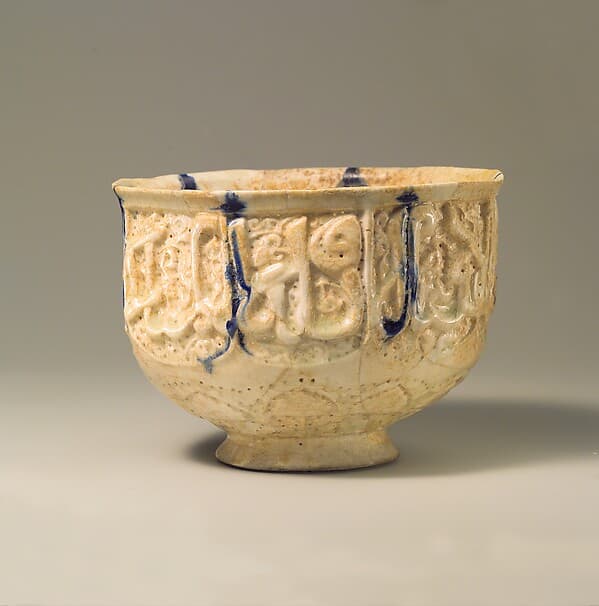
Pierced Bowl Signed by Hasan al-Qashani
Artist not stated in the record · late 11th–early 12th century

Lion and Hare Composed of Ornamental Leaf-Work, from Neue-ersonnene Gold-Schmieds Grillen (New Designs for Ornaments in Gold)
Wolfgang Hieronymus Von Bömmel, German, active ca. 1660 – 1700 · 1698
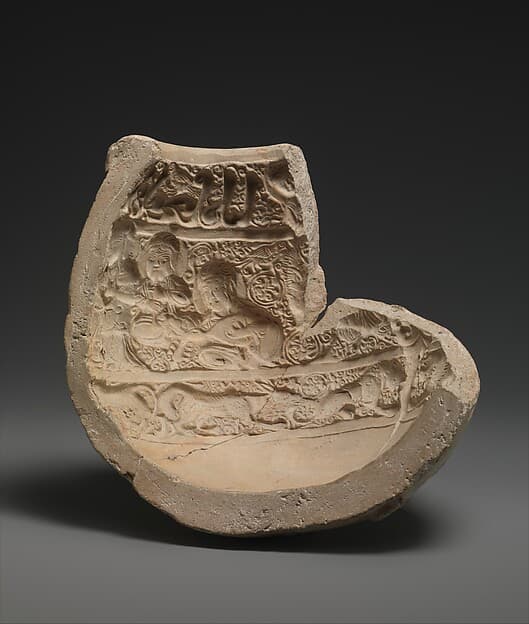
Mold Fragment with Musicians
Artist not stated in the record · late 11th–early 12th century

C C RECT
Artist not stated in the record · 18th century

Design for a Water Urn with Stand
Joseph Anton Seethaler II, German, 1799–1868 · 1820–35

Panel
Artist not stated in the record · 17th–18th century

Fountain; elevation of a church
Giuseppe Barberi, Italian, 1746–1809 · 1792–1795

Interior Wall Elevation with a Bed
Pierre Ranson, French, 1736–1786 · 1779-84

Shigaraki ware jar for hand-washing water
Okuda Shinsai (1821-1902) · ca. 1860-1865

Drug Jar
Artist not stated in the record · 18th century

Project for a Fountain
Artist not stated in the record · ca. 1780
Where these records came from.
Two archives are wired, and only two. Each one is filtered on its own rights field — never on a title match, and never on the presence of an image file.
- The Met Collection API (Open Access)Rights field:
isPublicDomain. 5 matched · 5 examined · 0 dropped by the rights gate. Kept only where isPublicDomain === true and a file URL was published.5 shown - Smithsonian Open Access API (api.si.edu)Rights field:
content.descriptiveNonRepeating.metadata_usage.access. 2891617 matched · 40 examined · 27 dropped by the rights gate. Kept only where metadata_usage.access === "CC0" and an image resource was published.12 shown
These figures describe the pass run at 2026-08-28 14:22 UTC, during this request. A completed pass is kept for 24 hours and replayed for an identical search, which is what keeps repeated queries inside Smithsonian’s 30-requests-per-hour allowance. A pass in which either archive failed to answer is never kept — an outage must not be replayed as though it were a finding about the catalogue.
Wikimedia Commons and the Library of Congress are deliberately not wired. Wikimedia was confirmed, on a live query, to return CC-BY material inside the same result set as genuine public domain works, and filtering it safely has not been designed yet. loc.gov was blocked by bot detection during the source evaluation, so its rights vocabulary has never been observed — and nothing here is built on a field nobody has read.
An image file is a rights claim. It never travels without its field.