 Open
OpenTwo archives, queried live.
Every record below comes from The Met or Smithsonian Open Access and was filtered on that archive’s own rights field before it reached this page. 24 shown for “Manasa, the Snake Goddess” — 64 records examined, 28 dropped by the rights gate.
Archives queried 2026-08-27 20:39 UTC · fetched live for this request
isPublicDomain field is true for this object.metadata_usage.access reads CC0 — a waiver, not an expired term.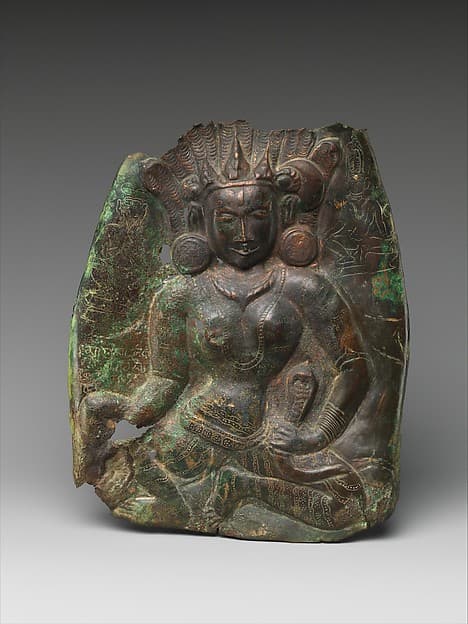
Manasa, the Snake Goddess
Artist not stated in the record · 11th century

Rebecca and Eliezer at the Well
Jan van der Straet, called Stradanus, Flemish, 1523–1605 · ca. 1580–1605
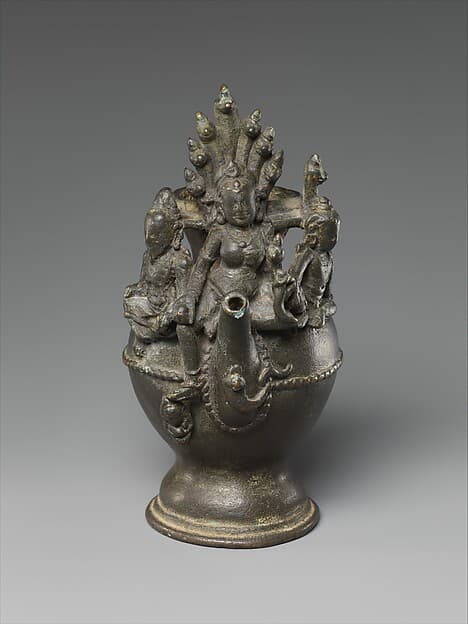
Ritual Ewer with Manasa, the Snake Goddess
Artist not stated in the record · 10th century

Time (Chronos) Entrusting Cupid to Venus
Giovanni Domenico Tiepolo, Italian, 1727 – 1804 · ca. 1757
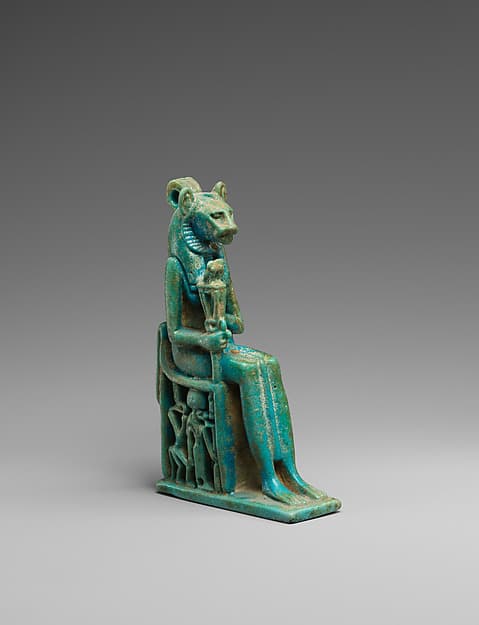
Amulet of a lion-headed Bastet
Artist not stated in the record · ca. 853c664 BCE

Minerva Giustiniani
Jean-Robert Ango, French, active in Rome 1759 –1770, d. 1773 · ca. 1759–70
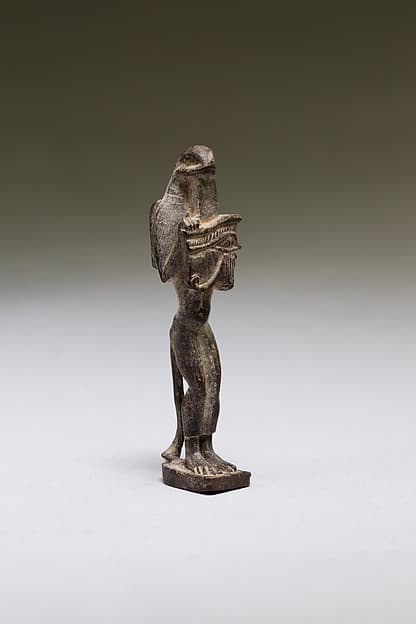
Nehebkau (snake deity) holding a wedjat eye
Artist not stated in the record · 664–30 BCE

Jupiter consoles an imploring goddess, probably Venus
Felice Giani, Italian, 1758–1823 · 1796–98
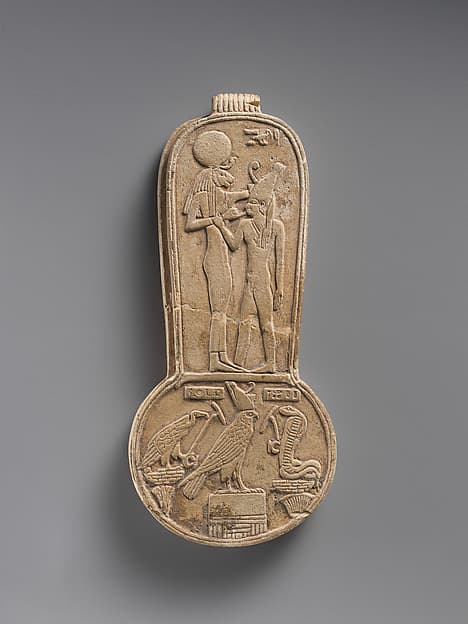
Counterweight of a menit necklace with an image of Bastet nursing King Taharqo
Artist not stated in the record · 690–645 BCE

The Goddess Diana Leaning on an Outcropping
Francesco Brizzi, Italian, 1574 - 1623 · early 17th century
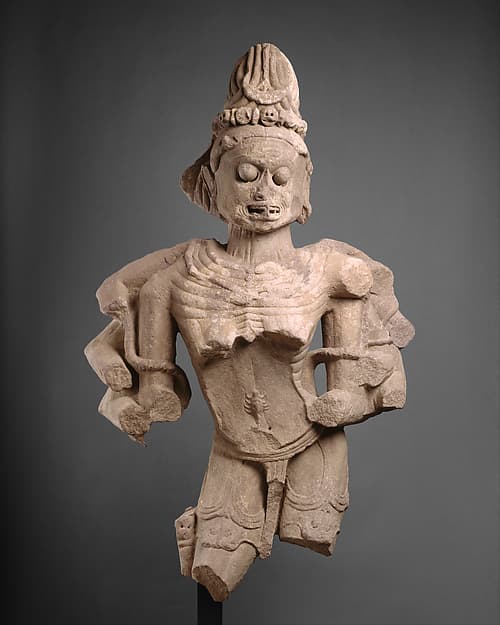
Chamunda, the Horrific Destroyer of Evil
Artist not stated in the record · 10th–11th century

Overdoor
Artist not stated in the record · 1800–1810
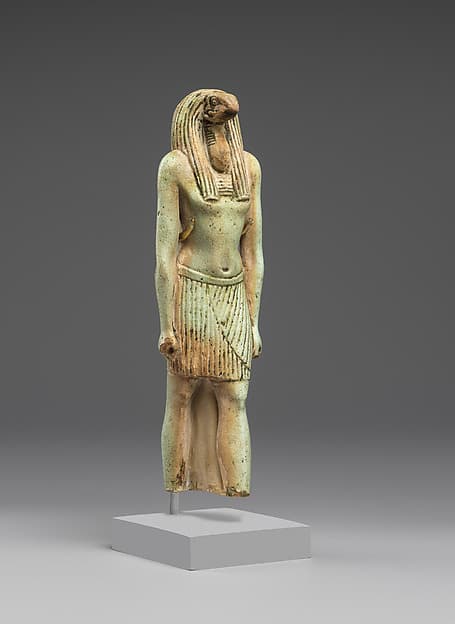
Statuette of a snake-headed deity
Artist not stated in the record · 664–332 BCE

Sketchbook Page: O Goddess! Mother!
Kenyon Cox, American, 1856–1919 · 1883
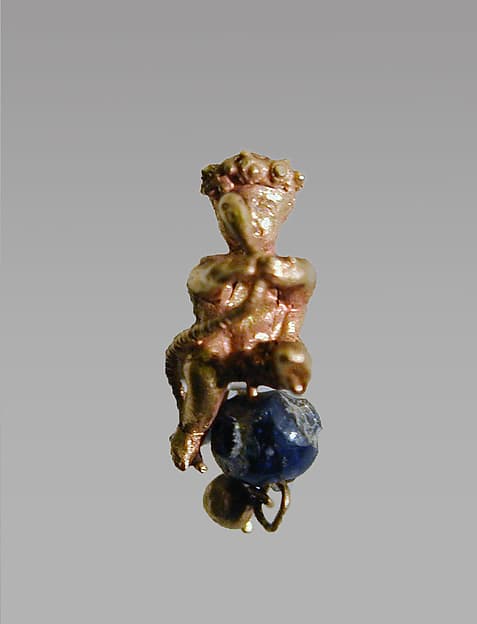
Pair of gold and glass earrings with baby Herakles
Artist not stated in the record · 2nd–1st century BCE

Design for a Ceiling Painting: Diana Selene Perceives Endymion
Artist not stated in the record · 1750–1800
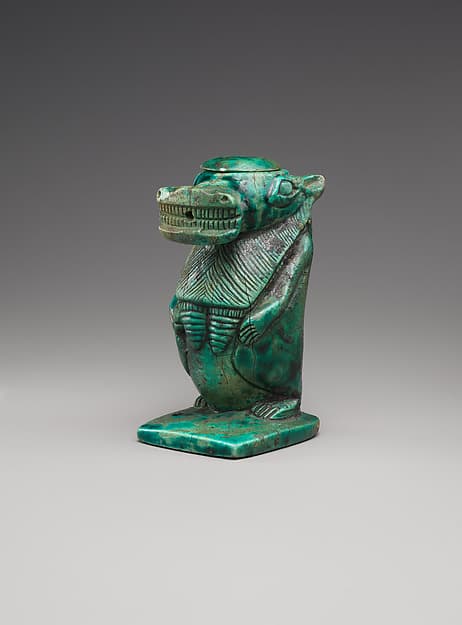
Magical container in the shape of a hippo goddess
Artist not stated in the record · ca. 1640–1500 BCE

Four Antique Goddesses
Felice Giani, Italian, 1758–1823 · after 1850
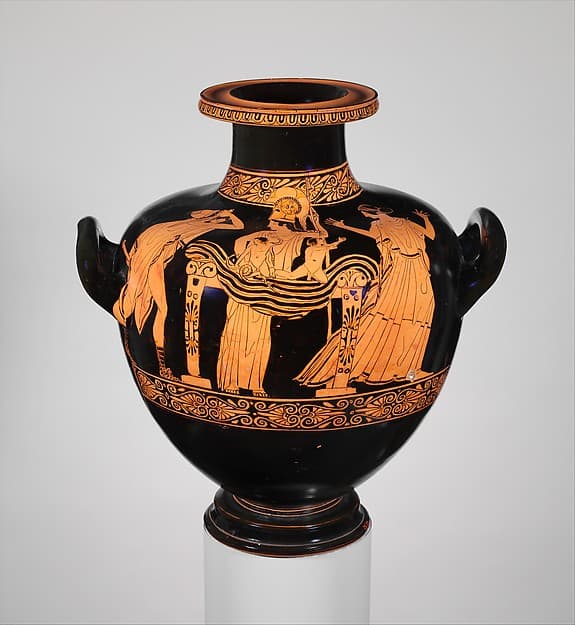
Terracotta hydria: kalpis (water jar)
Nausicaä Painter · ca. 460–450 BCE

Design for a surtout de table (Centerpiece)
Artist not stated in the record · 1775–1800
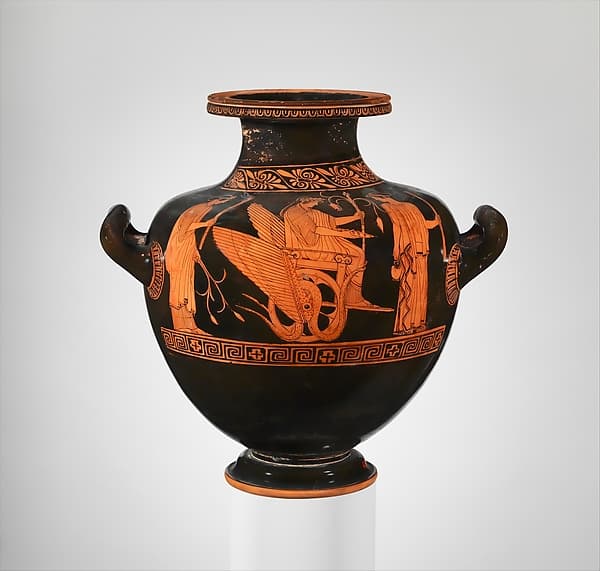
Terracotta hydria: kalpis (water jar)
Niobid Painter · ca. 460–450 BCE

Drawing
Felice Giani, Italian, 1758–1823 · 1813
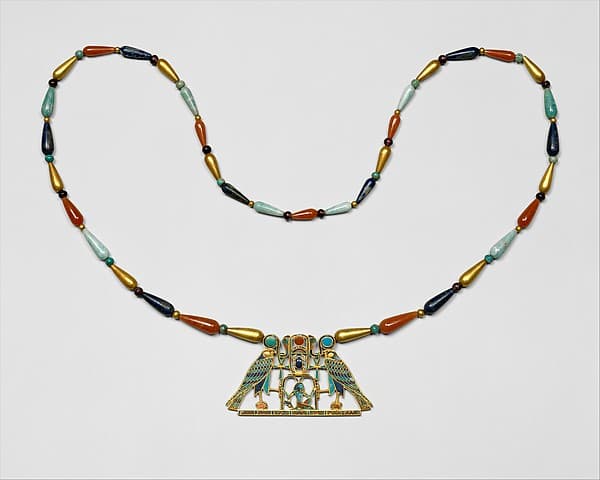
Pectoral and Necklace of Sithathoryunet with the Name of Senwosret II
Artist not stated in the record · ca. 1887–1878 B.C.

Sketch of Fortuna
Francis Augustus Lathrop, American, 1849–1909 · ca. 1895
Where these records came from.
Two archives are wired, and only two. Each one is filtered on its own rights field — never on a title match, and never on the presence of an image file.
- The Met Collection API (Open Access)Rights field:
isPublicDomain. 62 matched · 24 examined · 2 dropped by the rights gate. Kept only where isPublicDomain === true and a file URL was published.12 shown - Smithsonian Open Access API (api.si.edu)Rights field:
content.descriptiveNonRepeating.metadata_usage.access. 1186483 matched · 40 examined · 26 dropped by the rights gate. Kept only where metadata_usage.access === "CC0" and an image resource was published.12 shown
These figures describe the pass run at 2026-08-27 20:39 UTC, during this request. A completed pass is kept for 24 hours and replayed for an identical search, which is what keeps repeated queries inside Smithsonian’s 30-requests-per-hour allowance. A pass in which either archive failed to answer is never kept — an outage must not be replayed as though it were a finding about the catalogue.
Wikimedia Commons and the Library of Congress are deliberately not wired. Wikimedia was confirmed, on a live query, to return CC-BY material inside the same result set as genuine public domain works, and filtering it safely has not been designed yet. loc.gov was blocked by bot detection during the source evaluation, so its rights vocabulary has never been observed — and nothing here is built on a field nobody has read.
An image file is a rights claim. It never travels without its field.