 Open
OpenTwo archives, queried live.
Every record below comes from The Met or Smithsonian Open Access and was filtered on that archive’s own rights field before it reached this page. 23 shown for “Marble head of a bearded man from a stele (grave marker)” — 64 records examined, 10 dropped by the rights gate.
Archives queried 2026-08-27 12:30 UTC · fetched live for this request
isPublicDomain field is true for this object.metadata_usage.access reads CC0 — a waiver, not an expired term.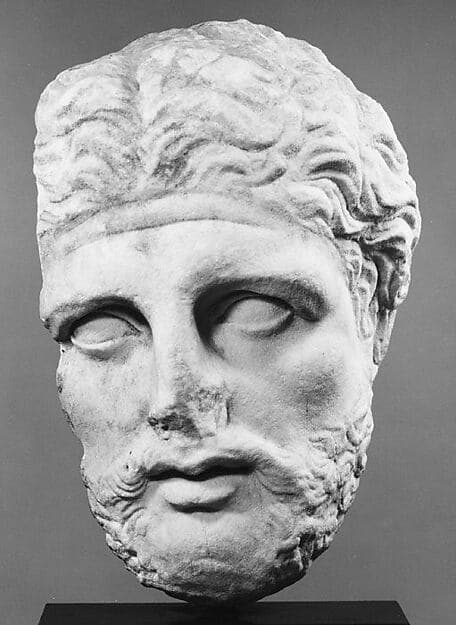
Marble head of a bearded man from a stele (grave marker)
Artist not stated in the record · ca. 350–325 BCE

Two Drawings of the Madonna and Child in Ovals, Studies after Giambologna and Alfonzo da Ferrero; Herm and Chimera, after Antique
Felice Giani, Italian, 1758–1823 · 1821–22
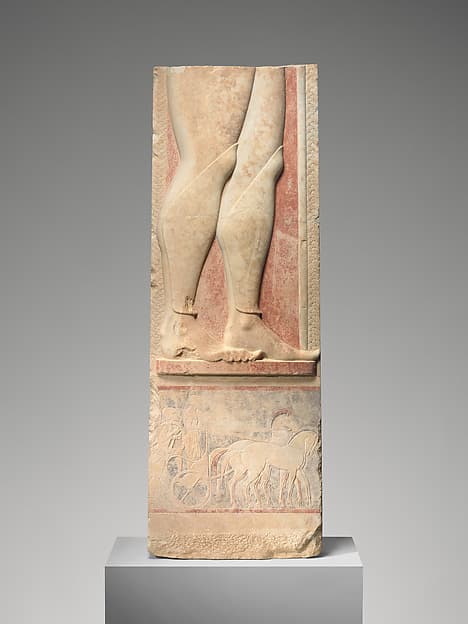
Fragment of the marble stele (grave marker) of a hoplite (foot soldier)
Artist not stated in the record · ca. 525–515 BCE

The Head of a Bearded Man, a Man on Horseback
Paolo Emilio Besenzi, Italian, 1624 - 1666 · ca. 1650
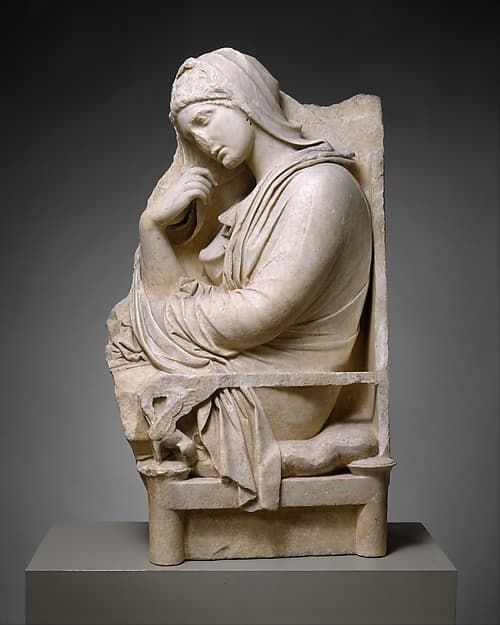
Marble stele (grave marker) of a woman
Artist not stated in the record · mid-4th century BCE

Design for Cartouche with Cupid, a Horse and Spears from "Cartouches Nouvellement Inventez"
Jean-Bernard Turreau, French, 1672 - 1731 · 18th century
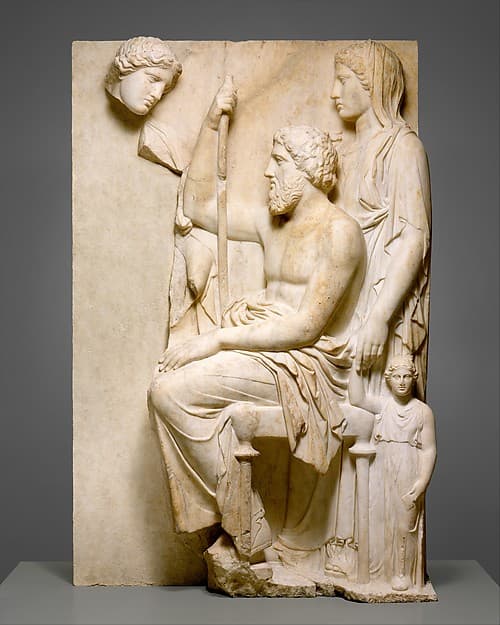
Marble grave stele with a family group
Artist not stated in the record · ca. 360 BCE

Handscreen
Artist not stated in the record · 18th century
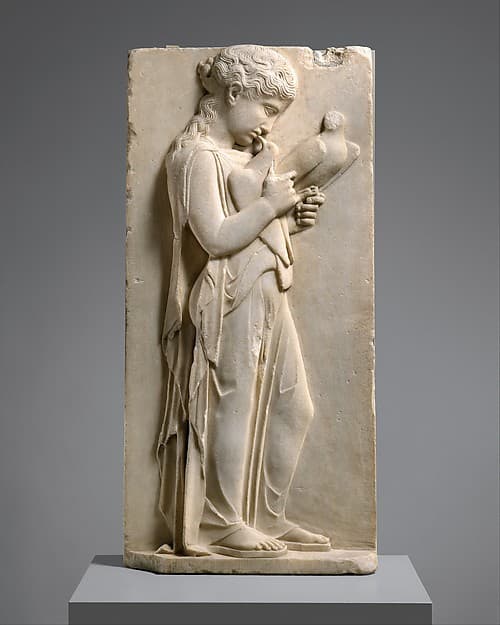
Marble grave stele of a little girl
Artist not stated in the record · ca. 450–440 BCE

Head of a Man
Artist not stated in the record · ca. 1760–1780
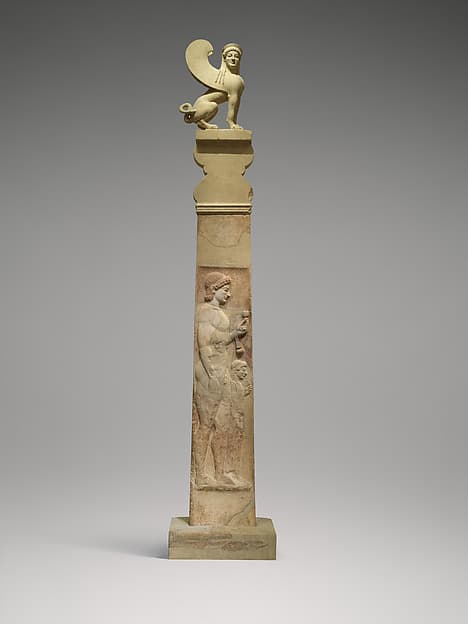
Marble stele (grave marker) with a youth and little girl, and a capital and finial in the form of a sphinx
Artist not stated in the record · ca. 530 BCE

A Classic Warrior Receives a Woman
Filippo Marchionni, Italian, 1732–1805 · mid- 18th century
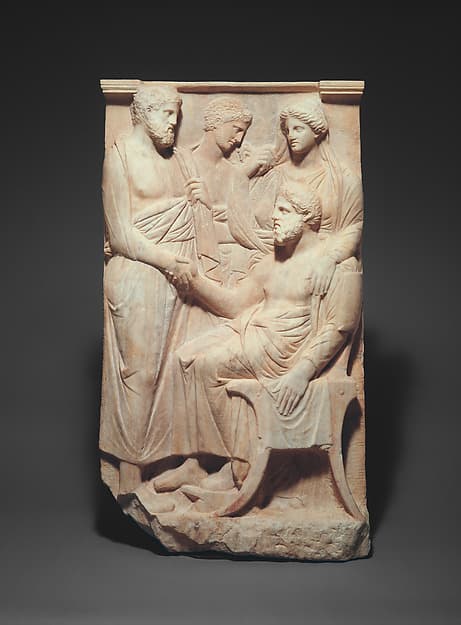
Marble stele (grave marker) of a man
Artist not stated in the record · ca. 375–350 BCE

page Three from "Cinquième Livre Contenant des Cartouches Inventés par G. M. Oppenort Architecte du Roi et Gravé par Huquier"
Gilles-Marie Oppenord, French, 1672–1742 · after 1751

Study of a Man's Head
Pierre Filloeul, French, b. 1696–after 1754 · 1734
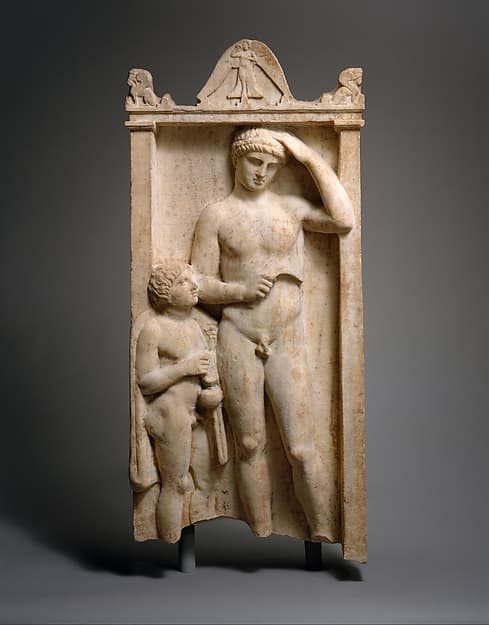
Marble stele (grave marker) of Sostratos
Artist not stated in the record · ca. 375–350 BCE

Rainbow over the Mediterranean with Figure Sketches, Beirut, Lebanon
Frederic Edwin Church, American, 1826–1900 · January 1868
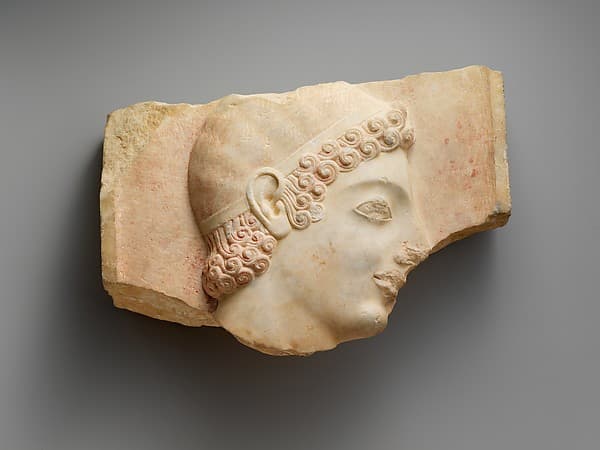
Head of a youth from a marble stele (grave marker)
Artist not stated in the record · ca. 525 BCE

Studies of Heads
Carlo Marchionni, Italian, 1702–1786 · 1760–80
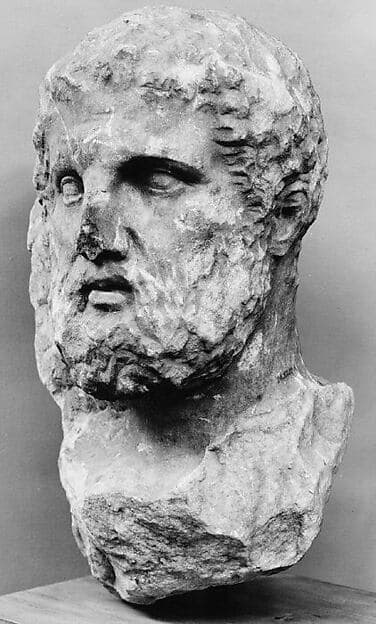
Marble head of a bearded man from a grave marker
Artist not stated in the record · ca. 325 BCE

Head of a Bearded Man
William Merritt Chase, American, 1849–1916 · 1872–78
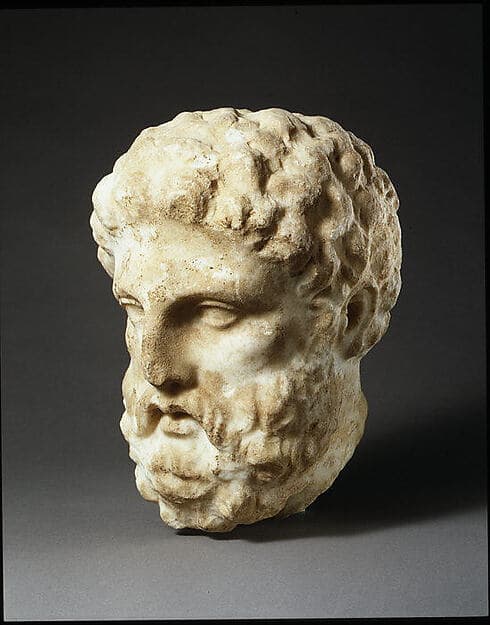
Marble head of a man from a grave stele
Artist not stated in the record · ca. 325 BCE

Head of an Elderly Bearded Man
Artist not stated in the record · 1800–20
Where these records came from.
Two archives are wired, and only two. Each one is filtered on its own rights field — never on a title match, and never on the presence of an image file.
- The Met Collection API (Open Access)Rights field:
isPublicDomain. 98 matched · 24 examined · 0 dropped by the rights gate. Kept only where isPublicDomain === true and a file URL was published.12 shown - Smithsonian Open Access API (api.si.edu)Rights field:
content.descriptiveNonRepeating.metadata_usage.access. 3961737 matched · 40 examined · 10 dropped by the rights gate. Kept only where metadata_usage.access === "CC0" and an image resource was published.12 shown
These figures describe the pass run at 2026-08-27 12:30 UTC, during this request. A completed pass is kept for 24 hours and replayed for an identical search, which is what keeps repeated queries inside Smithsonian’s 30-requests-per-hour allowance. A pass in which either archive failed to answer is never kept — an outage must not be replayed as though it were a finding about the catalogue.
Wikimedia Commons and the Library of Congress are deliberately not wired. Wikimedia was confirmed, on a live query, to return CC-BY material inside the same result set as genuine public domain works, and filtering it safely has not been designed yet. loc.gov was blocked by bot detection during the source evaluation, so its rights vocabulary has never been observed — and nothing here is built on a field nobody has read.
An image file is a rights claim. It never travels without its field.