 Open
OpenTwo archives, queried live.
Every record below comes from The Met or Smithsonian Open Access and was filtered on that archive’s own rights field before it reached this page. 24 shown for “Monkey or meerkat” — 64 records examined, 30 dropped by the rights gate.
Archives queried 2026-09-03 15:35 UTC · fetched live for this request
isPublicDomain field is true for this object.metadata_usage.access reads CC0 — a waiver, not an expired term.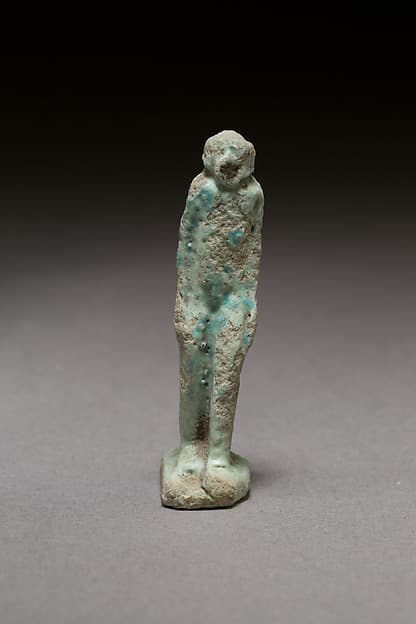
Monkey or meerkat
Artist not stated in the record · 500–200 BCE

Slender-tailed Meerkat
Artist not stated in the record · 2018:06:22
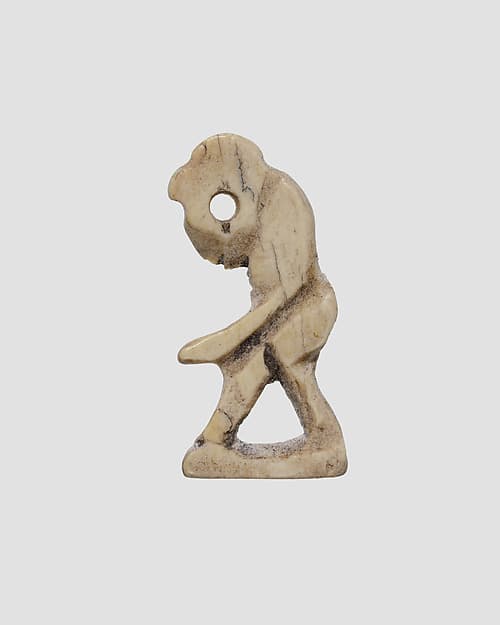
Monkey amulet
Artist not stated in the record · ca. 2150–1950 B.C.

Slender-tailed Meerkat
Artist not stated in the record · 2018:06:22
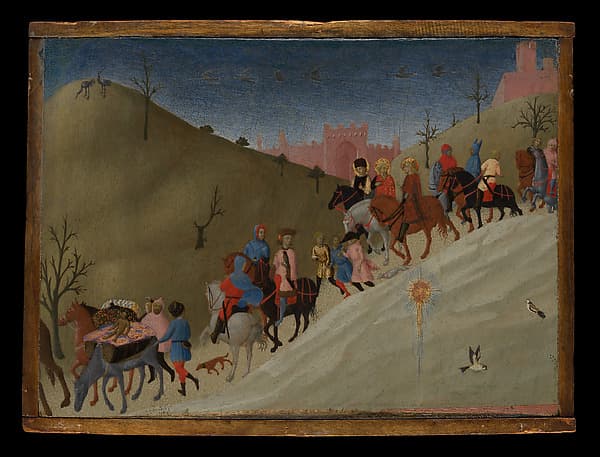
The Journey of the Magi
Sassetta (Stefano di Giovanni) · ca. 1433–35

Peliostomum leucorrhizum E. Mey. ex Benth.
Artist not stated in the record · 15 Feb 2016
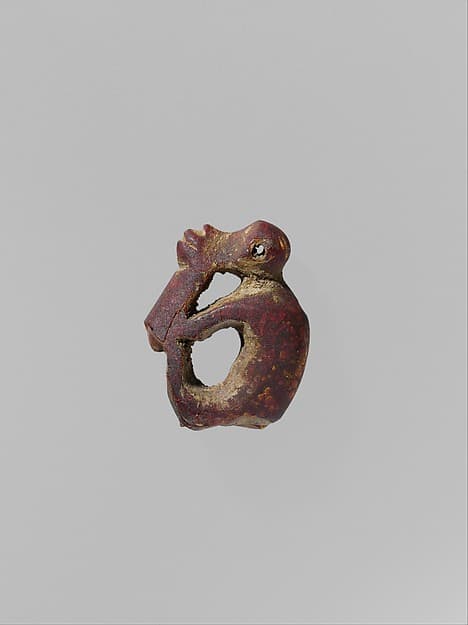
Pendant: monkey
Artist not stated in the record · 7th century BCE

Botanical sketches with a Monkey, Colombia or Ecuador
Frederic Edwin Church, American, 1826–1900 · May–October 1853
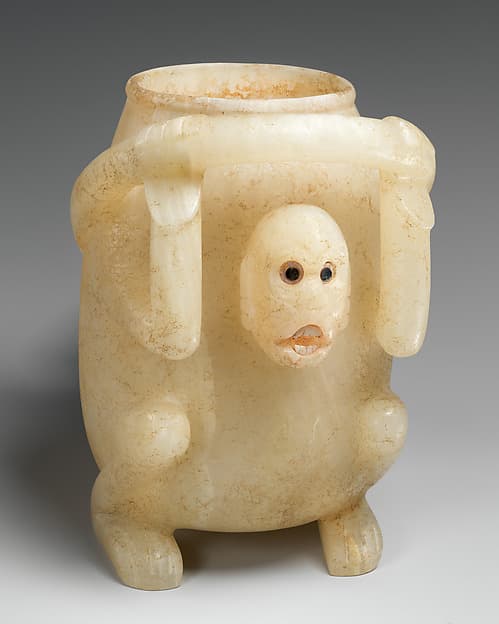
Monkey vessel
Mixtec (Ñuu Savi) artists · 1350–1521 CE

L'OISEAU DE PROYE
Christophe Huet, French, 1695 – 1759 · 1743
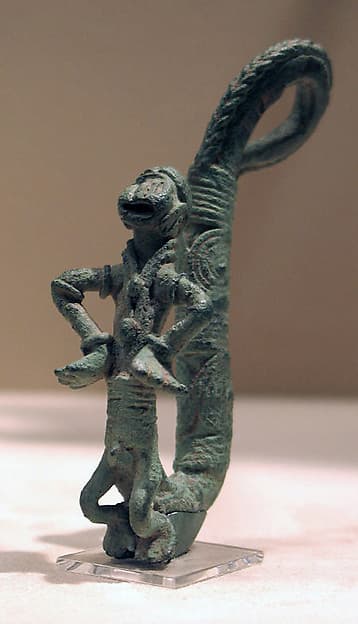
Hook(?) with Human or Monkey
Artist not stated in the record · ca. 300 BCE–200 CE

LE LAVEMENT RENDU
Christophe Huet, French, 1695 – 1759 · 1743
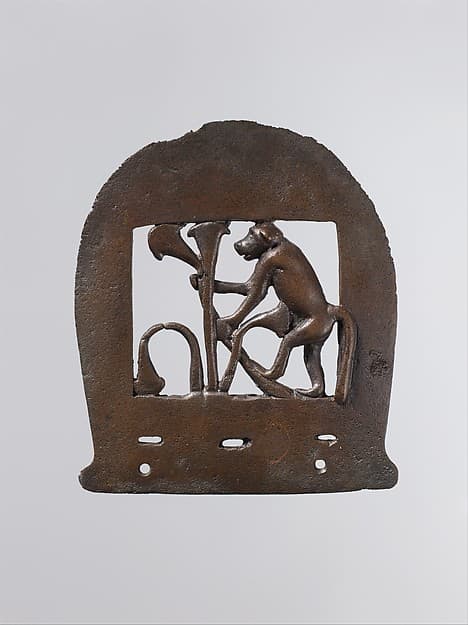
Ax head with monkey figure
Artist not stated in the record · ca. 1981–1640 B.C.

Title Page
Christophe Huet, French, 1695 – 1759 · 1743
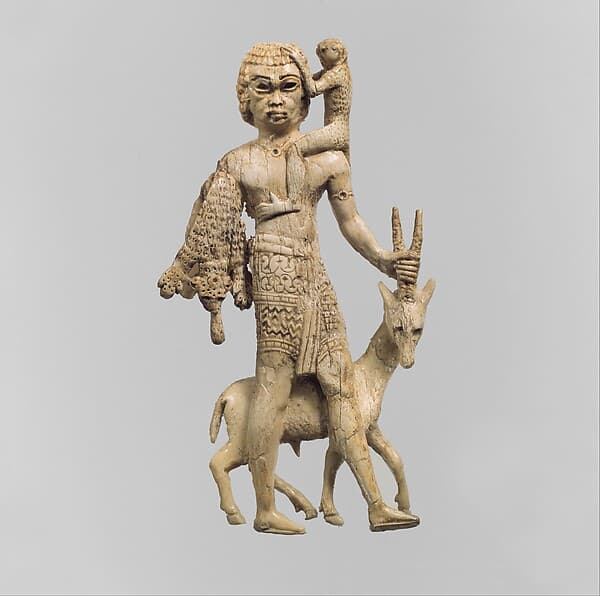
Figure of a man with an oryx, a monkey, and a leopard skin
Artist not stated in the record · ca. 8th century BCE

Pets
Frederick Stuart Church, American, 1842–1924 · 1877
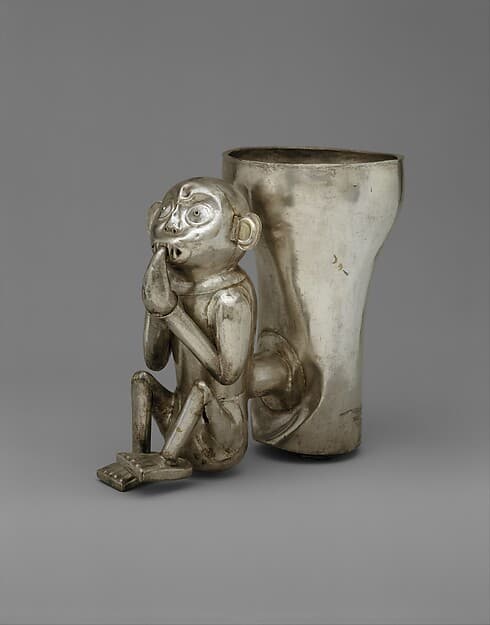
Double-chambered vessel with monkey
Chimú artist(s) · 1350–1470 CE

The Monkey and the Cat, Illustration for Aesop's Fables
Victor Wilbour · ca. 1916
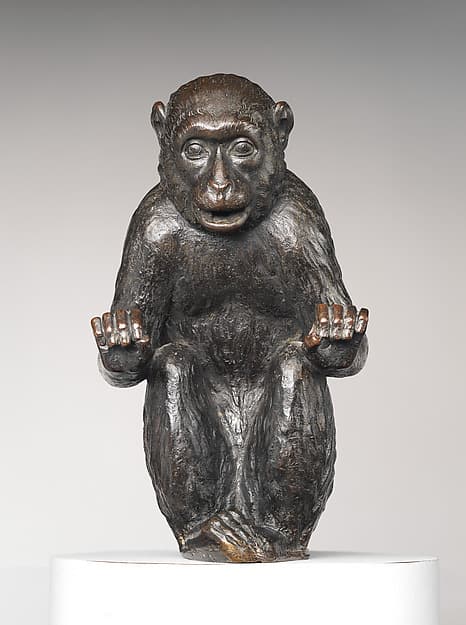
Monkey fountain figure
Caspar Gras · ca. 1600

Monkey trainer and monkey performing a dance
Style of Iwasa Matabei (1578-1650) · late 17th century
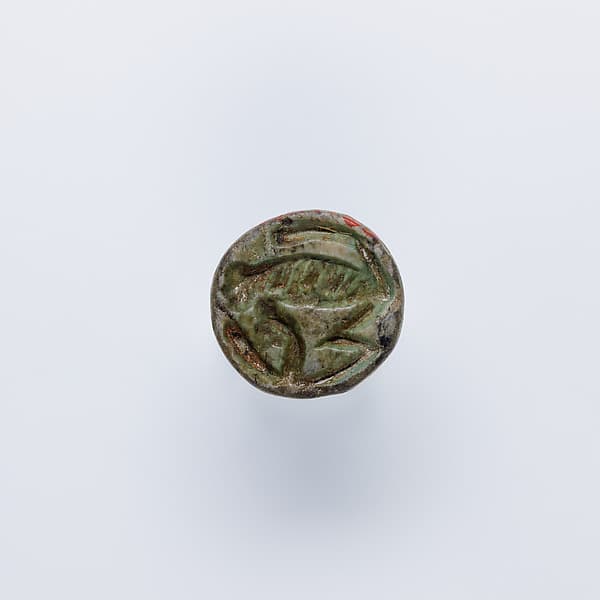
Design Amulet with a Hippopotamus (? ) Head on the Back Pierced for Stringing, and a Left-facing Monkey as the Device
Artist not stated in the record · ca. 2150–2100 B.C.

Luohan with a white monkey
Artist not stated in the record · 17th century
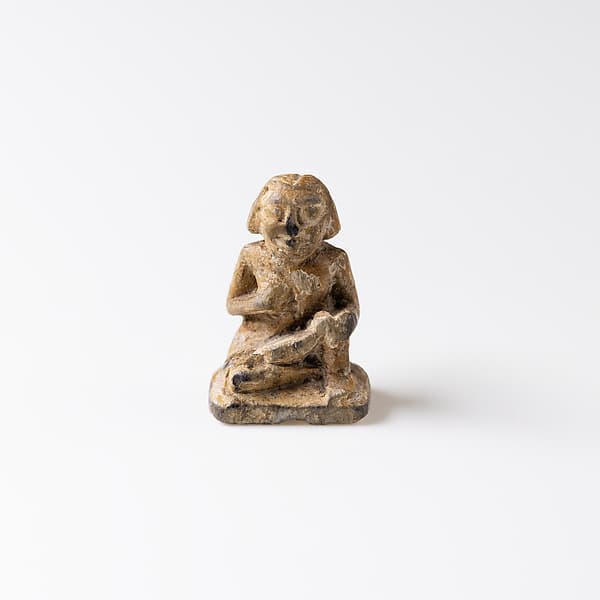
Design Amulet, Woman Suckling a Child on Back, Device showing Geometricized Monkeys
Artist not stated in the record · ca. 2080–2010 B.C.

Futakawa: Post House on Monkey Plain (Futakawa, Sarugababa tateba) from the Series 53 Stations of the Tokaido
Ando Hiroshige, Japanese, 1797–1858 · 1797-1858
Where these records came from.
Two archives are wired, and only two. Each one is filtered on its own rights field — never on a title match, and never on the presence of an image file.
- The Met Collection API (Open Access)Rights field:
isPublicDomain. 282 matched · 24 examined · 5 dropped by the rights gate. Kept only where isPublicDomain === true and a file URL was published.12 shown - Smithsonian Open Access API (api.si.edu)Rights field:
content.descriptiveNonRepeating.metadata_usage.access. 250493 matched · 40 examined · 25 dropped by the rights gate. Kept only where metadata_usage.access === "CC0" and an image resource was published.12 shown
These figures describe the pass run at 2026-09-03 15:35 UTC, during this request. A completed pass is kept for 24 hours and replayed for an identical search, which is what keeps repeated queries inside Smithsonian’s 30-requests-per-hour allowance. A pass in which either archive failed to answer is never kept — an outage must not be replayed as though it were a finding about the catalogue.
Wikimedia Commons and the Library of Congress are deliberately not wired. Wikimedia was confirmed, on a live query, to return CC-BY material inside the same result set as genuine public domain works, and filtering it safely has not been designed yet. loc.gov was blocked by bot detection during the source evaluation, so its rights vocabulary has never been observed — and nothing here is built on a field nobody has read.
An image file is a rights claim. It never travels without its field.