 Open
OpenTwo archives, queried live.
Every record below comes from The Met or Smithsonian Open Access and was filtered on that archive’s own rights field before it reached this page. 21 shown for “Oscar Land” — 64 records examined, 35 dropped by the rights gate.
Archives queried 2026-08-31 18:11 UTC · fetched live for this request
isPublicDomain field is true for this object.metadata_usage.access reads CC0 — a waiver, not an expired term.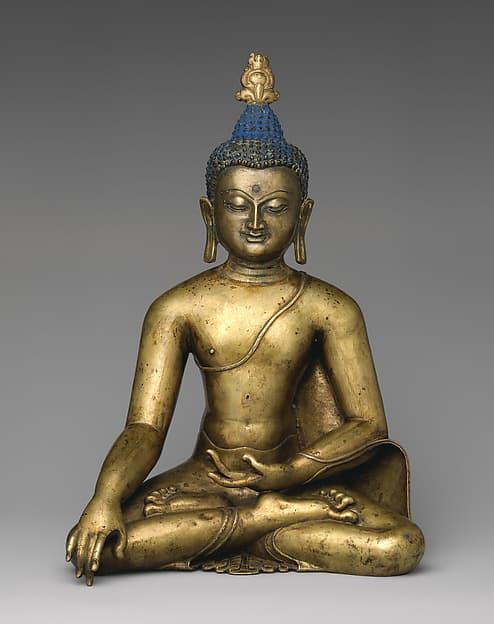
Buddha Shakyamuni
Artist not stated in the record · 12th century

Oscar Land
Artist not stated in the record · 1950s
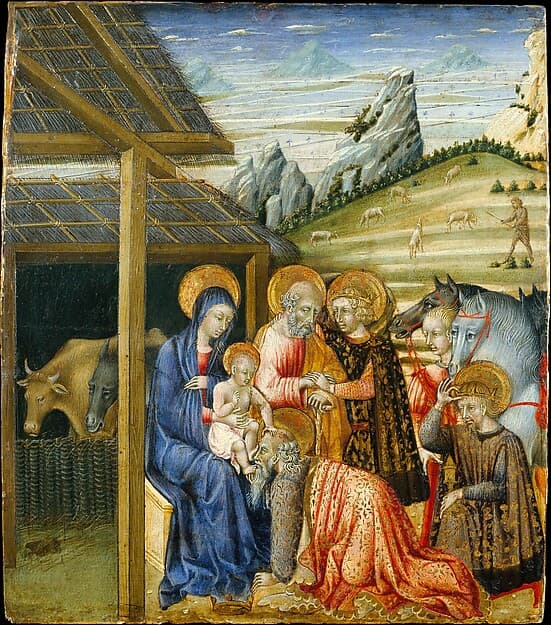
The Adoration of the Magi
Giovanni di Paolo (Giovanni di Paolo di Grazia) · ca. 1460
Cetrariella delisei (Bory ex Schaer.) Kärnefelt & A. Thell
Artist not stated in the record · 17 Jul 1992
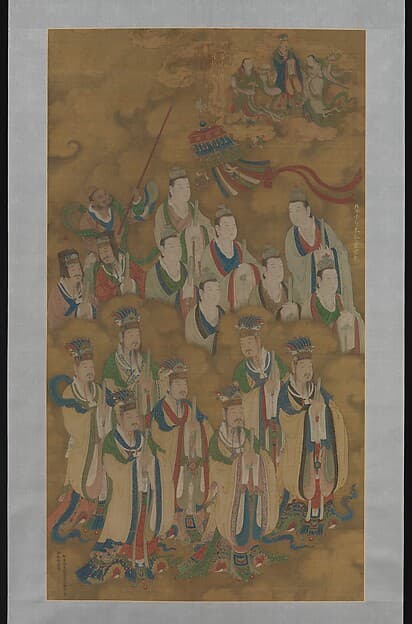
Star deities of the northern and central dippers
Unidentified artist · dated 1454

Oscar Hammerstein II
Samuel Johnson Woolf, 12 Feb 1880 - 3 Dec 1948 · 1946
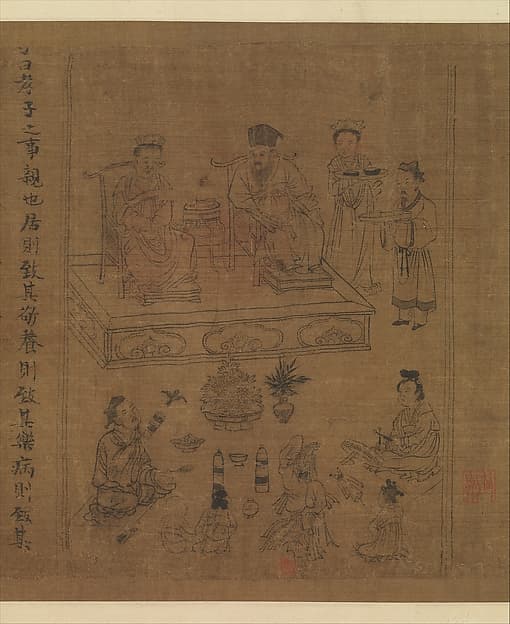
The Classic of Filial Piety
Li Gonglin · ca. 1085

Oscar Hammerstein I
P. S. Rogers, active 1905 - 1915? · c. 1910
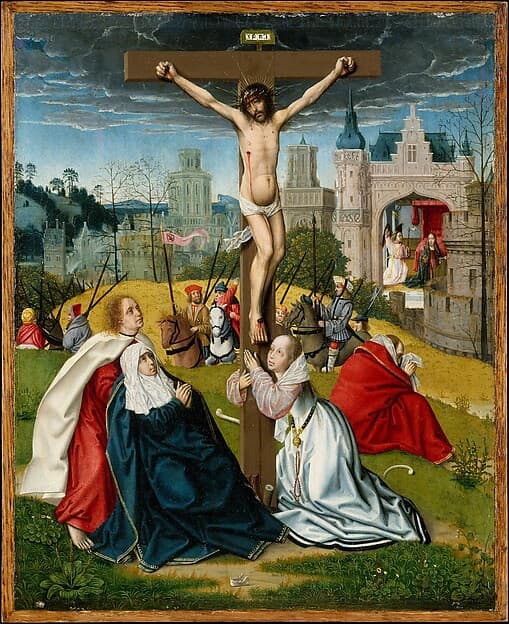
The Crucifixion
Jan Provoost · ca. 1495

Oscar Hammerstein I
P. S. Rogers, active 1905 - 1915? · c. 1910
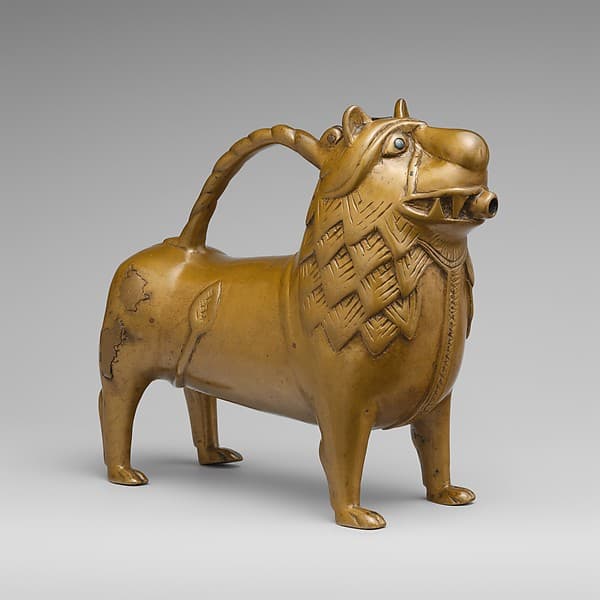
Aquamanile in the Form of a Lion
Artist not stated in the record · 12th century

Oscar Hammerstein I
P. S. Rogers, active 1905 - 1915? · c. 1910
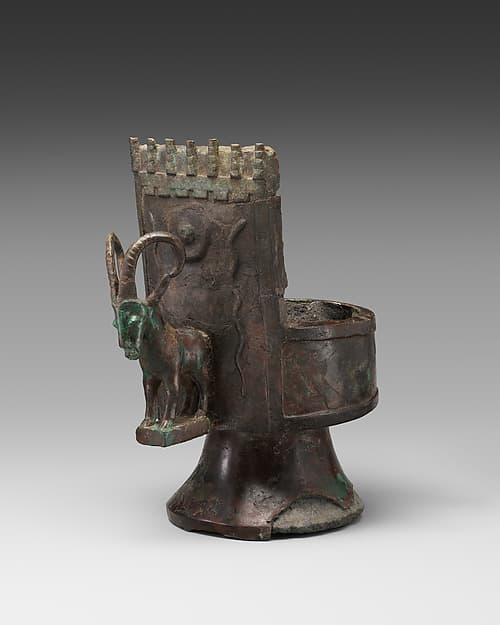
Incense burner
Artist not stated in the record · ca. mid-1st millennium BCE

Oscar Hammerstein I
P. S. Rogers, active 1905 - 1915? · c. 1910
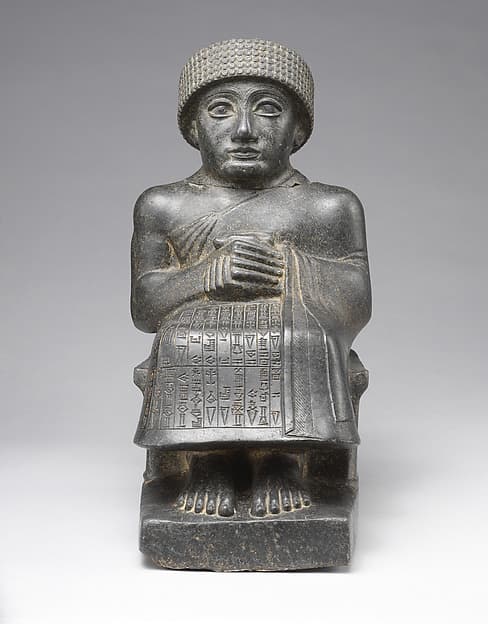
Statue of Gudea, named “Gudea, the man who built the temple, may his life be long”
Artist not stated in the record · ca. 2090 BCE

New Bronx County Courthouse
Oscar Bluemner, American, b. Prenzlau, Germany, 1867–1938 · (1903)
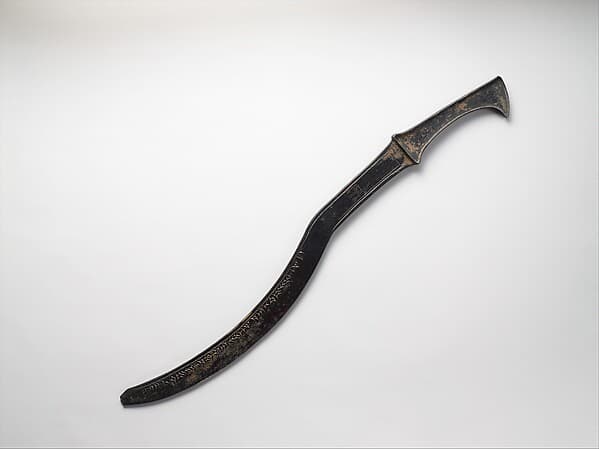
Sickle sword
Artist not stated in the record · ca. 1307–1275 BCE

St. Martin, Cologne
Oscar Bluemner, American, b. Prenzlau, Germany, 1867–1938 · 1892
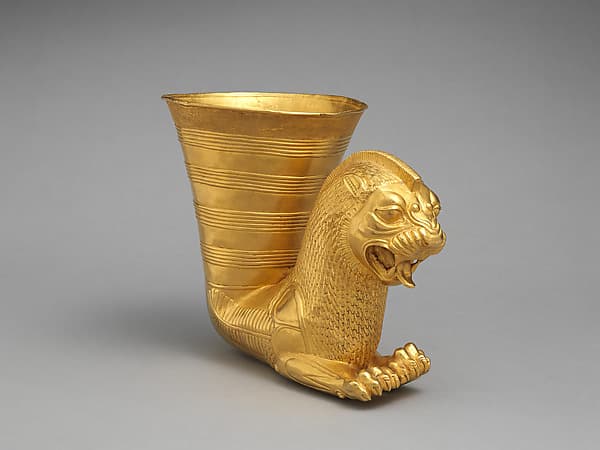
Vessel terminating in the forepart of a fantastic leonine creature
Artist not stated in the record · ca. 5th century BCE
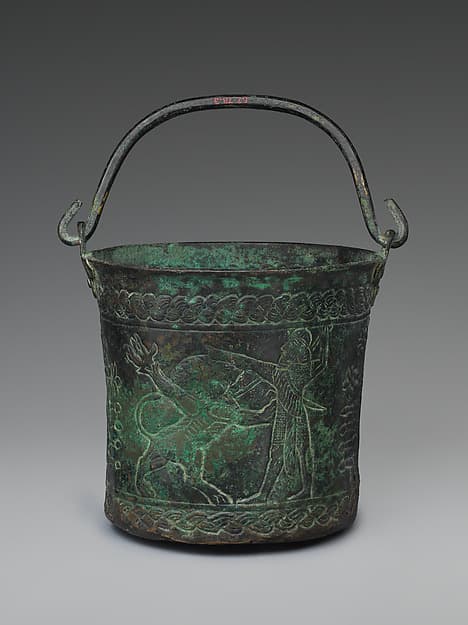
Bucket with forgery decoration
Artist not stated in the record · 9th–7th century BCE (?)
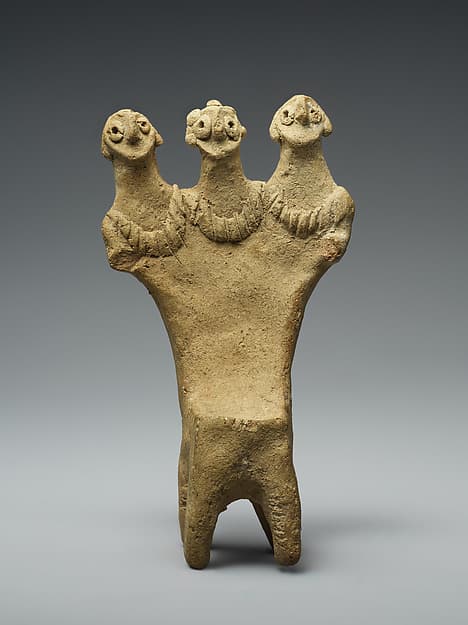
Figurine
Artist not stated in the record · ca. 2200–1750 BCE
Where these records came from.
Two archives are wired, and only two. Each one is filtered on its own rights field — never on a title match, and never on the presence of an image file.
- The Met Collection API (Open Access)Rights field:
isPublicDomain. 39 matched · 24 examined · 4 dropped by the rights gate. Kept only where isPublicDomain === true and a file URL was published.12 shown - Smithsonian Open Access API (api.si.edu)Rights field:
content.descriptiveNonRepeating.metadata_usage.access. 40873 matched · 40 examined · 31 dropped by the rights gate. Kept only where metadata_usage.access === "CC0" and an image resource was published.9 shown
These figures describe the pass run at 2026-08-31 18:11 UTC, during this request. A completed pass is kept for 24 hours and replayed for an identical search, which is what keeps repeated queries inside Smithsonian’s 30-requests-per-hour allowance. A pass in which either archive failed to answer is never kept — an outage must not be replayed as though it were a finding about the catalogue.
Wikimedia Commons and the Library of Congress are deliberately not wired. Wikimedia was confirmed, on a live query, to return CC-BY material inside the same result set as genuine public domain works, and filtering it safely has not been designed yet. loc.gov was blocked by bot detection during the source evaluation, so its rights vocabulary has never been observed — and nothing here is built on a field nobody has read.
An image file is a rights claim. It never travels without its field.