 Open
OpenTwo archives, queried live.
Every record below comes from The Met or Smithsonian Open Access and was filtered on that archive’s own rights field before it reached this page. 24 shown for “Panel of a Portable Shrine with Karttikeya, the God of War” — 64 records examined, 25 dropped by the rights gate.
Archives queried 2026-08-27 12:30 UTC · fetched live for this request
isPublicDomain field is true for this object.metadata_usage.access reads CC0 — a waiver, not an expired term.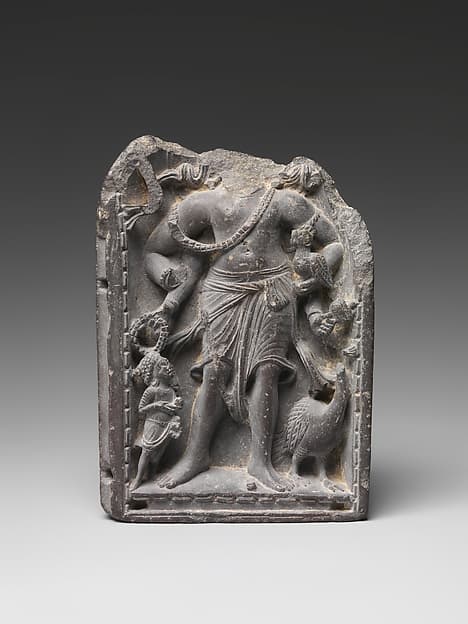
Panel of a Portable Shrine with Karttikeya, the God of War
Artist not stated in the record · 6th century

Three Paneling Designs
François Marie Isidore Queverdo, 1748 - 1797 · 1788
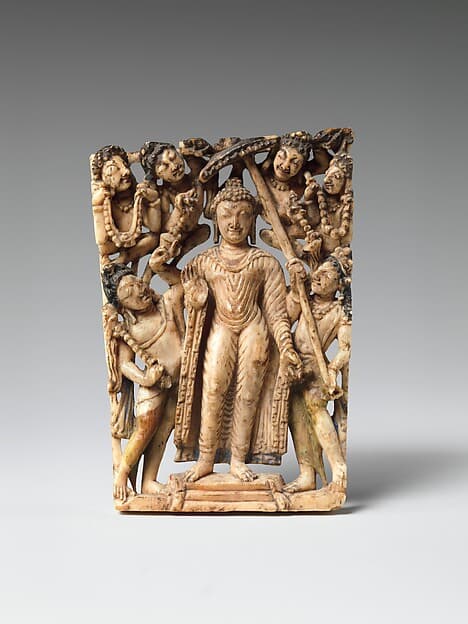
Panel from a Portable Shrine: The Descent of the Buddha from Trayastrimsha Heaven
Artist not stated in the record · 7th–8th century

Panel
Artist not stated in the record · 19th century
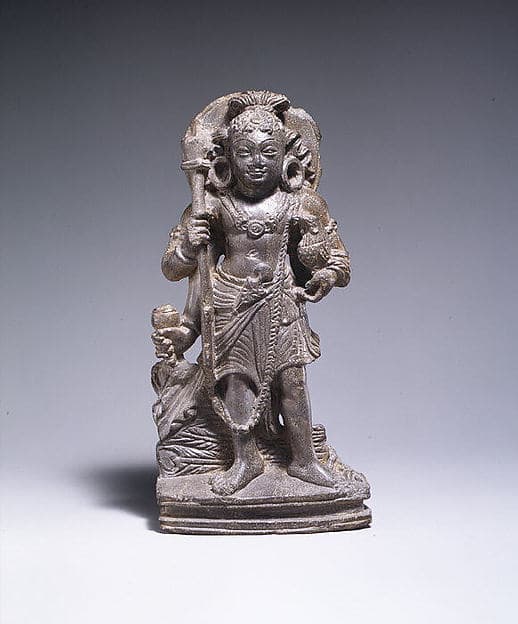
Karttikeya, the God of War
Artist not stated in the record · 6th–7th century

MARS OU LA GUERRE
Jean Démosthène Dugourc, French, 1749–1825 · 1782
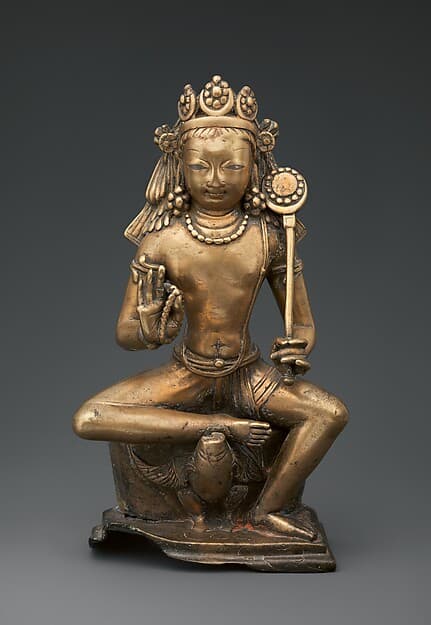
Karttikeya, the God of War
Artist not stated in the record · 8th century

Ornament Panel with a Double Cartouche Showing a River God, a Nymph, and a Fountain
Pierre Edme Babel, French, 1720–1775 · 1743-1763
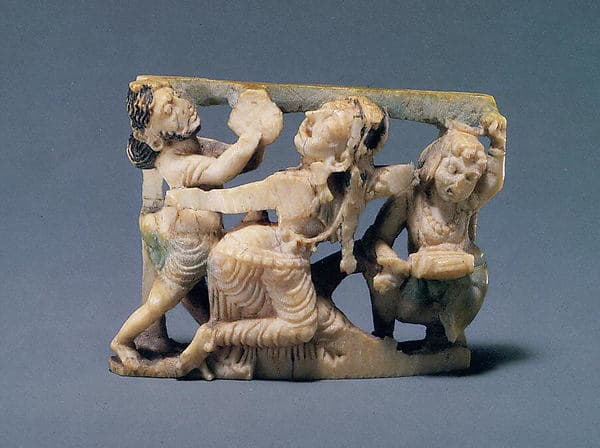
Panel of a Portable Buddhist Shrine with Dancer and Musician Celebrants
Artist not stated in the record · 8th century

Mahdi flag
Artist not stated in the record · 1882-1885
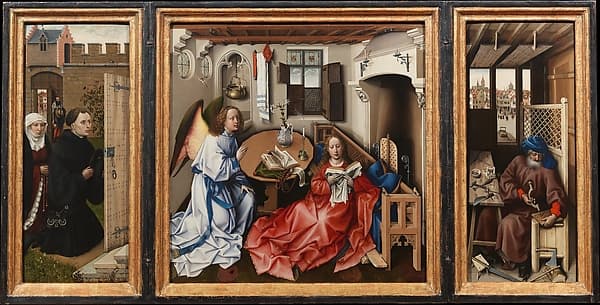
Annunciation Triptych (Merode Altarpiece)
Robert Campin · ca. 1427–32

Band
Artist not stated in the record · 16th–18th century
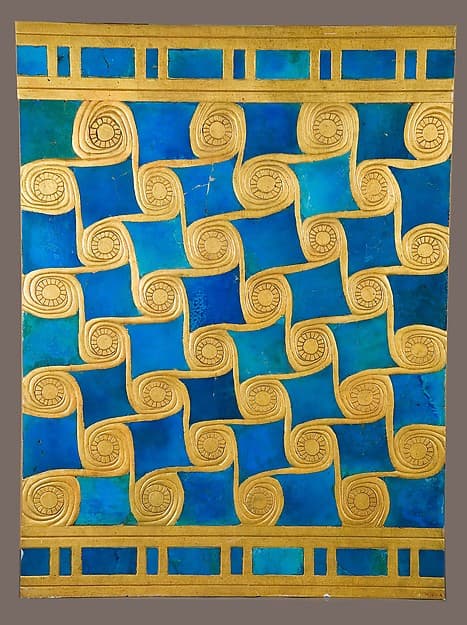
Reconstruction of Geometric Decoration
Artist not stated in the record · ca. 1386–1347 BCE

Panel Design of Grotesque Ornamentation
Jean Berain, the elder, French, 1640-1711 · 1711
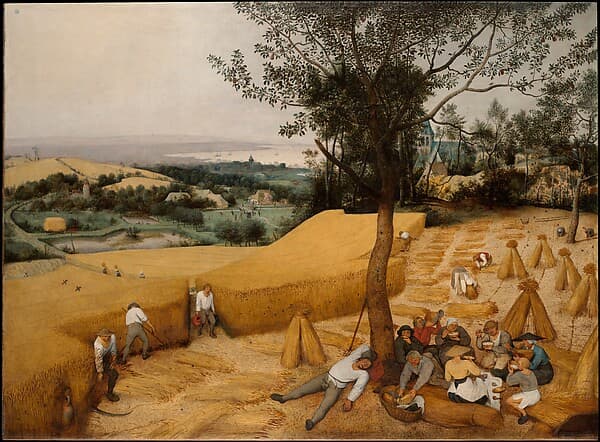
The Harvesters
Pieter Bruegel the Elder · 1565

Project for a reliquary shrine, with alternative suggestions, intended to be executed in stone
Artist not stated in the record · Early 18th century
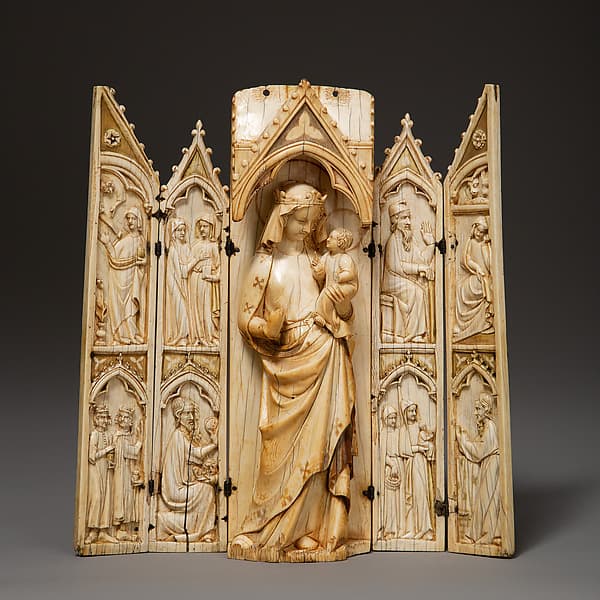
Folding Shrine with the Virgin and Child
Artist not stated in the record · 14th century

Arabesque Panel Design
Juste-François Boucher, French, 1736 – 1782 · 1775–88
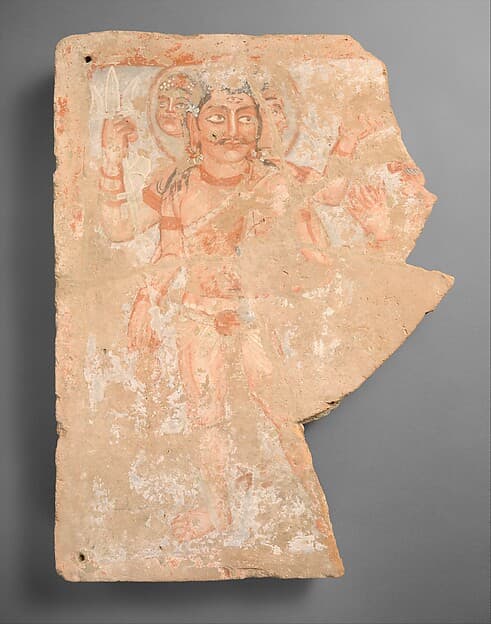
Panel fragment with the god Shiva/Oesho
Artist not stated in the record · ca. 3rd century CE

Léda
François Boucher, French, 1703–1770 · 1740
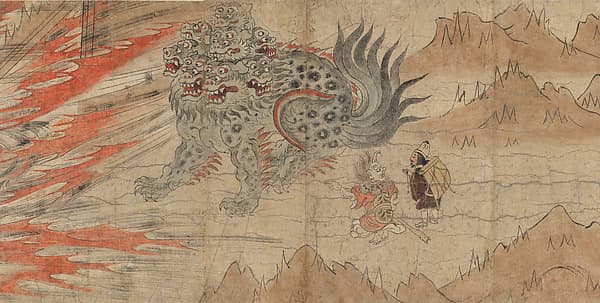
Illustrated Legends of the Kitano Tenjin Shrine (Kitano Tenjin engi emaki)
Artist not stated in the record · late 13th century

Chimneypiece Design with Decorated Panels, Suitable for a Gallery
Jacques-François Blondel, French, 1705–1774 · 1737-1742
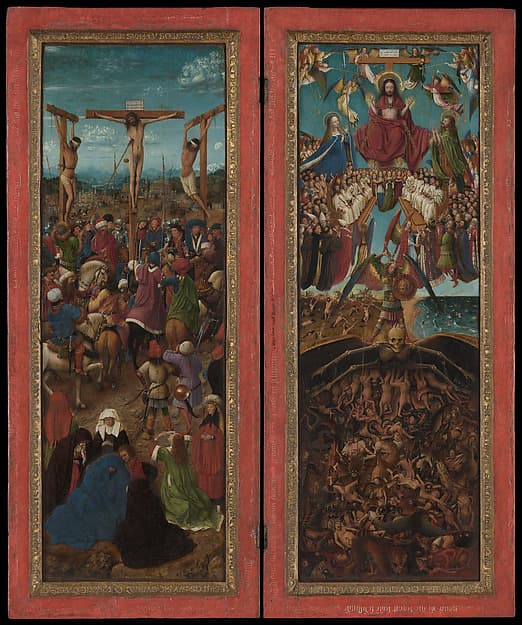
The Crucifixion; The Last Judgment
Jan van Eyck · ca. 1436–38

Design of a Console Table with a Mirror
Artist not stated in the record · 1750
Where these records came from.
Two archives are wired, and only two. Each one is filtered on its own rights field — never on a title match, and never on the presence of an image file.
- The Met Collection API (Open Access)Rights field:
isPublicDomain. 144 matched · 24 examined · 1 dropped by the rights gate. Kept only where isPublicDomain === true and a file URL was published.12 shown - Smithsonian Open Access API (api.si.edu)Rights field:
content.descriptiveNonRepeating.metadata_usage.access. 3969039 matched · 40 examined · 24 dropped by the rights gate. Kept only where metadata_usage.access === "CC0" and an image resource was published.12 shown
These figures describe the pass run at 2026-08-27 12:30 UTC, during this request. A completed pass is kept for 24 hours and replayed for an identical search, which is what keeps repeated queries inside Smithsonian’s 30-requests-per-hour allowance. A pass in which either archive failed to answer is never kept — an outage must not be replayed as though it were a finding about the catalogue.
Wikimedia Commons and the Library of Congress are deliberately not wired. Wikimedia was confirmed, on a live query, to return CC-BY material inside the same result set as genuine public domain works, and filtering it safely has not been designed yet. loc.gov was blocked by bot detection during the source evaluation, so its rights vocabulary has never been observed — and nothing here is built on a field nobody has read.
An image file is a rights claim. It never travels without its field.