 Open
OpenTwo archives, queried live.
Every record below comes from The Met or Smithsonian Open Access and was filtered on that archive’s own rights field before it reached this page. 24 shown for “Pendant Medallion with Michael Slaying the Dragon” — 64 records examined, 16 dropped by the rights gate.
Archives queried 2026-09-07 13:00 UTC · fetched live for this request
isPublicDomain field is true for this object.metadata_usage.access reads CC0 — a waiver, not an expired term.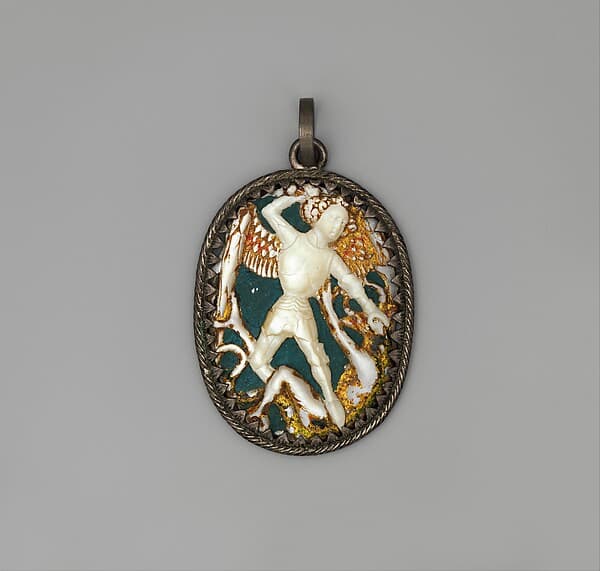
Pendant Medallion with Michael Slaying the Dragon
Artist not stated in the record · ca. 1470–80

Icon
Ethiopian Orthodox · Late18th century
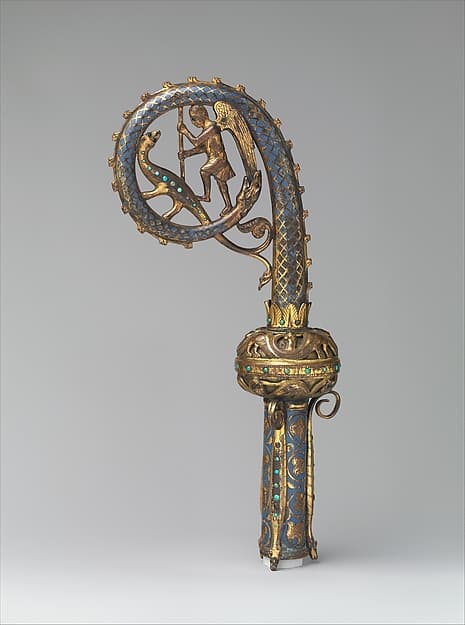
Head of a Crozier with Saint Michael Slaying the Dragon
Artist not stated in the record · 1220–30

Twelve Circular Medallions with Representations of the Deeds of Hercules
Felice Giani, Italian, 1758–1823 · 1758–1823
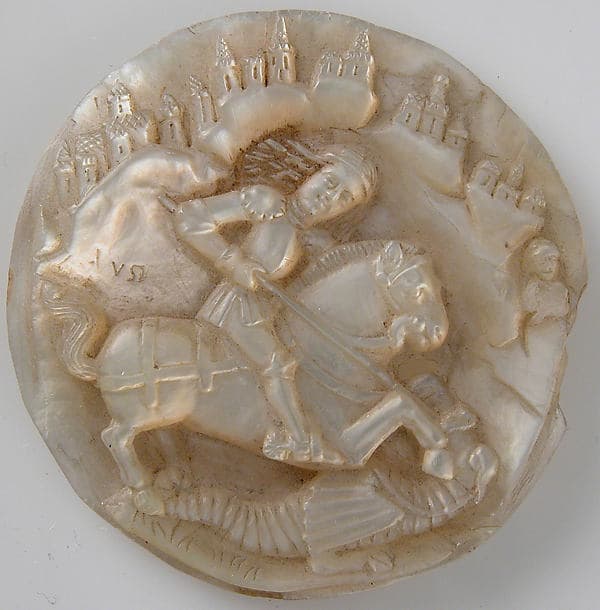
Medallion with Saint George Slaying The Dragon
Artist not stated in the record · late 15th century

Designs for a Niche with Religious Attributes
Gilles-Marie Oppenord, French, 1672–1742 · 1749-1761
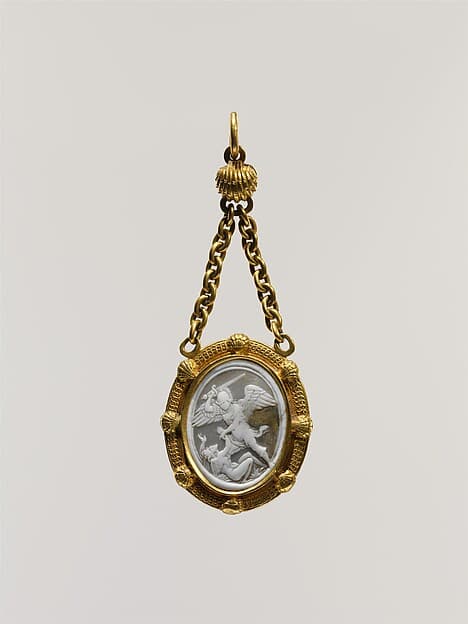
Badge of the Order of Saint Michael
Artist not stated in the record · 17th century, with modern chains and links

Ornament Design with Hercules
François de Poilly, French, 1622 - 1693 · 1669–93
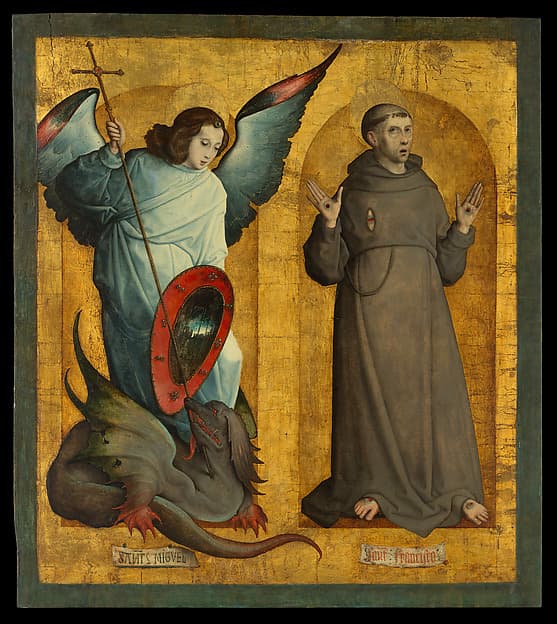
Saints Michael and Francis
Juan de Flandes · ca. 1505–9

Tea Urn in the Shape of Atlas Supporting the World
Thomas Heming, English, 1723 – 1801 · 1777
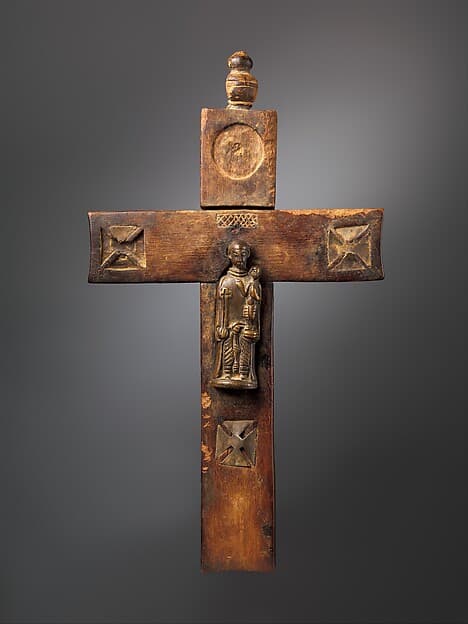
Crucifix with Saint Anthony of Padua
Kongo artist · 16th–18th century (pendant figure); 19th century (cross)
Fork with Figural Carved Wood Handle
Artist not stated in the record · ca. 1700
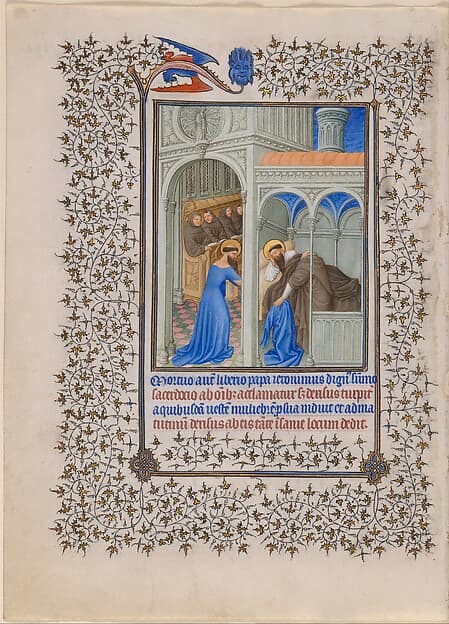
The Belles Heures of Jean de France, duc de Berry
The Limbourg Brothers · 1405–1408/1409

Daoist priest's robe
Artist not stated in the record · 19th century
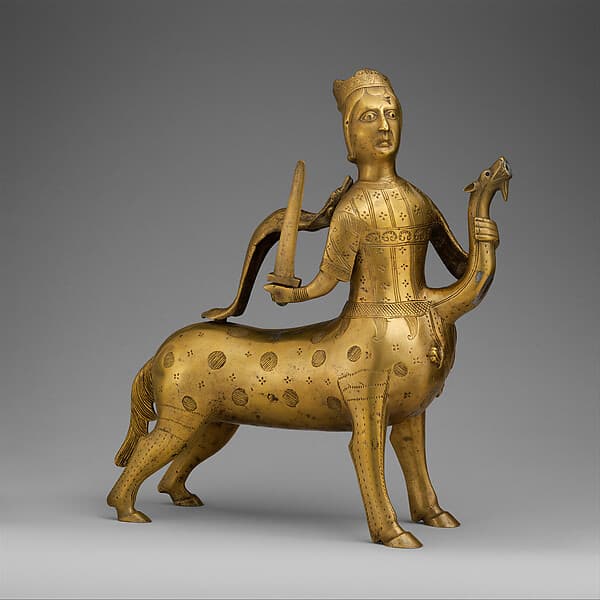
Aquamanile in the Form of a Crowned Centaur Fighting a Dragon
Artist not stated in the record · 1200–1225

Icon
Ethiopian Orthodox · Late 17th century
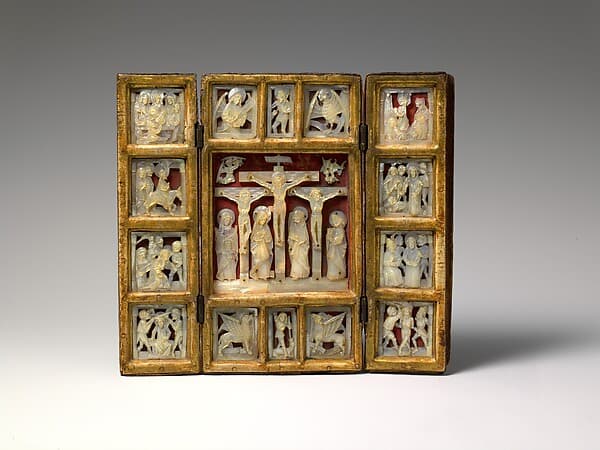
Triptych with the Passion of Christ
Artist not stated in the record · ca. 1475–85

Icon
Ethiopian Orthodox · Mid-late 17th century
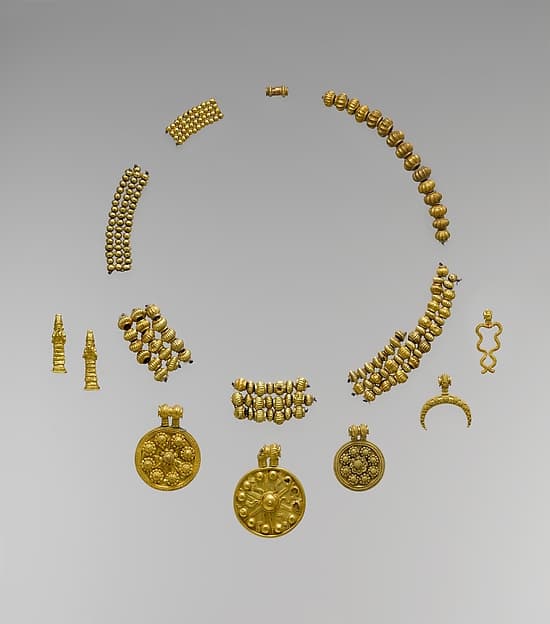
Pendants and beads
Artist not stated in the record · ca. 18th–17th century BCE

Design for a Pendant
George E Germer, 1868 – 1936 · 1910–20
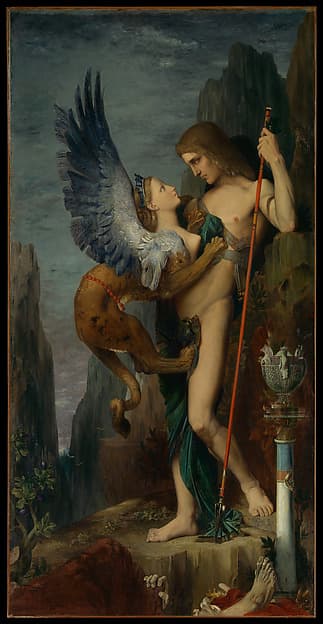
Oedipus and the Sphinx
Gustave Moreau · 1864

Frieze
Gledhill Wall Paper Co., New York, New York, founded 1900 · 1905–1915
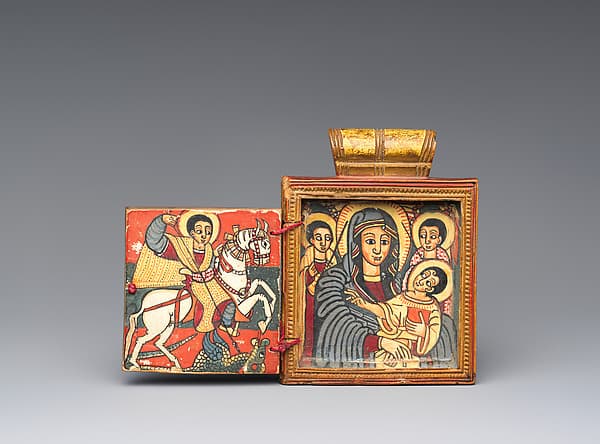
Double Diptych Icon Pendant
Artist not stated in the record · early 18th century

Escutcheon
Artist not stated in the record · 16th century
Where these records came from.
Two archives are wired, and only two. Each one is filtered on its own rights field — never on a title match, and never on the presence of an image file.
- The Met Collection API (Open Access)Rights field:
isPublicDomain. 50 matched · 24 examined · 0 dropped by the rights gate. Kept only where isPublicDomain === true and a file URL was published.12 shown - Smithsonian Open Access API (api.si.edu)Rights field:
content.descriptiveNonRepeating.metadata_usage.access. 1370458 matched · 40 examined · 16 dropped by the rights gate. Kept only where metadata_usage.access === "CC0" and an image resource was published.12 shown
These figures describe the pass run at 2026-09-07 13:00 UTC, during this request. A completed pass is kept for 24 hours and replayed for an identical search, which is what keeps repeated queries inside Smithsonian’s 30-requests-per-hour allowance. A pass in which either archive failed to answer is never kept — an outage must not be replayed as though it were a finding about the catalogue.
Wikimedia Commons and the Library of Congress are deliberately not wired. Wikimedia was confirmed, on a live query, to return CC-BY material inside the same result set as genuine public domain works, and filtering it safely has not been designed yet. loc.gov was blocked by bot detection during the source evaluation, so its rights vocabulary has never been observed — and nothing here is built on a field nobody has read.
An image file is a rights claim. It never travels without its field.