 Open
OpenTwo archives, queried live.
Every record below comes from The Met or Smithsonian Open Access and was filtered on that archive’s own rights field before it reached this page. 24 shown for “Portrait of Thomas Howard, Earl of Arundel, after Anthony van Dyck” — 64 records examined, 21 dropped by the rights gate.
Archives queried 2026-09-01 08:17 UTC · fetched live for this request
isPublicDomain field is true for this object.metadata_usage.access reads CC0 — a waiver, not an expired term.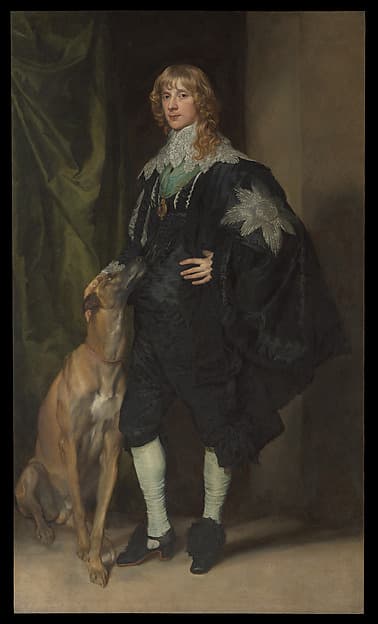
James Stuart (1612–1655), Duke of Richmond and Lennox
Anthony van Dyck · ca. 1633–35

Portrait of Thomas Howard, Earl of Arundel, after Anthony van Dyck
Artist not stated in the record · ca. 1650
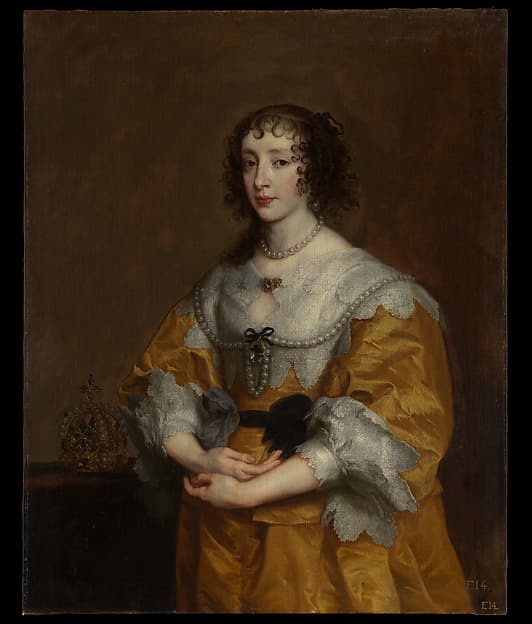
Queen Henrietta Maria
Anthony van Dyck · 1636

Thomas Howard, 2nd Earl of Arundel
Simon van de Passe, c. 1595 - 6 May 1647 · 1616
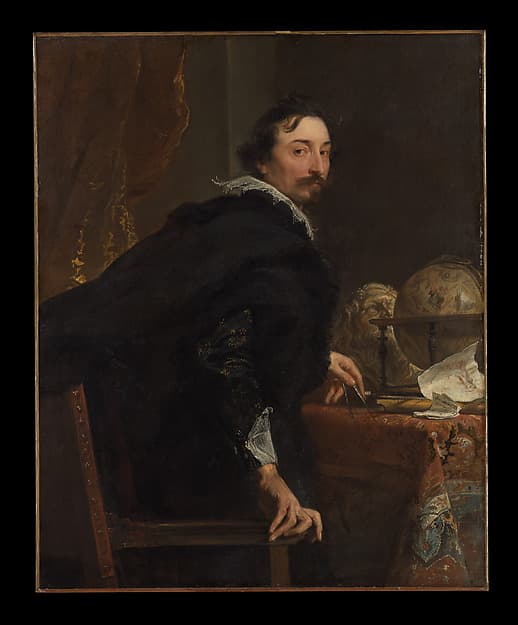
Lucas van Uffel (died 1637)
Anthony van Dyck · ca. 1622

Portrait of Antonius Triest, Bishop of Ghent
Artist not stated in the record · 1748
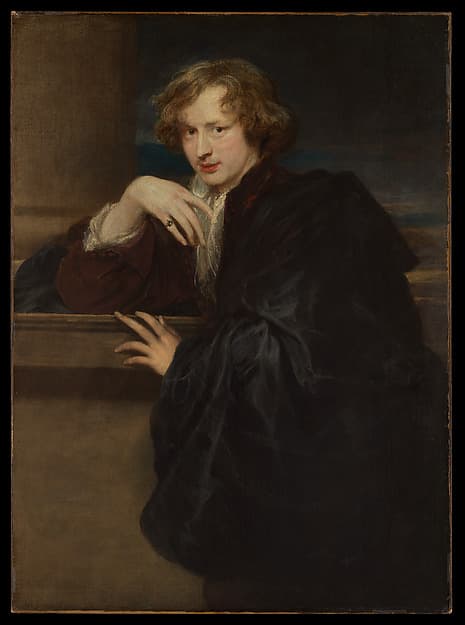
Self-Portrait
Anthony van Dyck · ca. 1620–21

Portrait of Lucas Vorsterman I, from the Icones Principum Virorum
Artist not stated in the record · 1630–1641
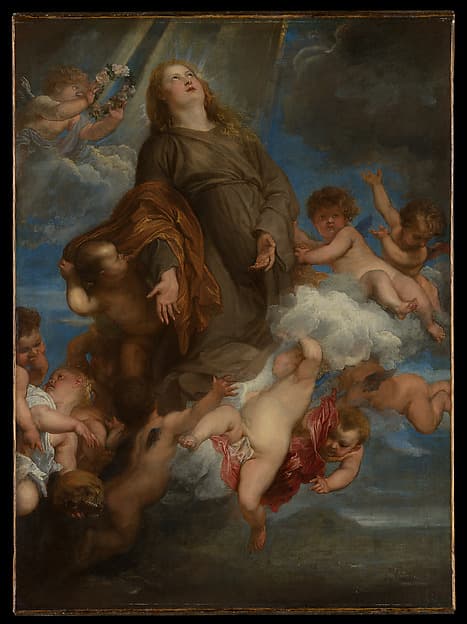
Saint Rosalie Interceding for the Plague-stricken of Palermo
Anthony van Dyck · 1624

Portrait of Frans Snyders, from the Icones Principum Virorum
Artist not stated in the record · ca. 1638
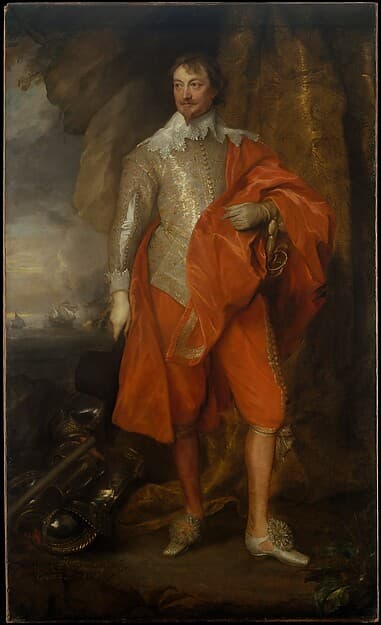
Robert Rich (1587–1658), Second Earl of Warwick
Anthony van Dyck · ca. 1632–35

Male Portrait
Artist not stated in the record · 1700-1783
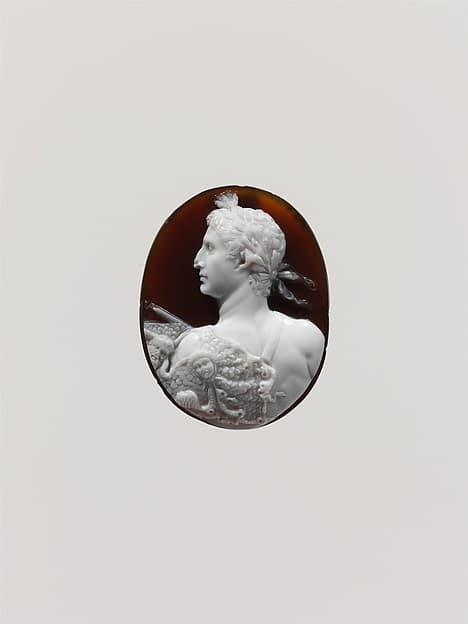
Sardonyx cameo portrait of the Emperor Augustus
Artist not stated in the record · ca. 41–54 CE

Head of Man
Artist not stated in the record · ca. 1750
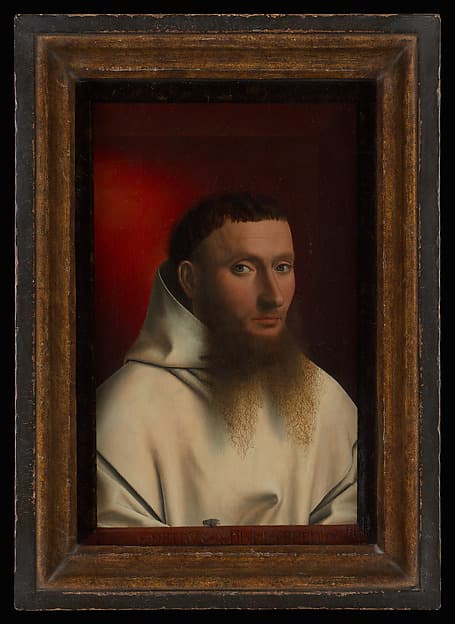
Portrait of a Carthusian
Petrus Christus · 1446

Portrait of Anthony Cornelissen, from the Icones Principum Virorum
Artist not stated in the record · 1660
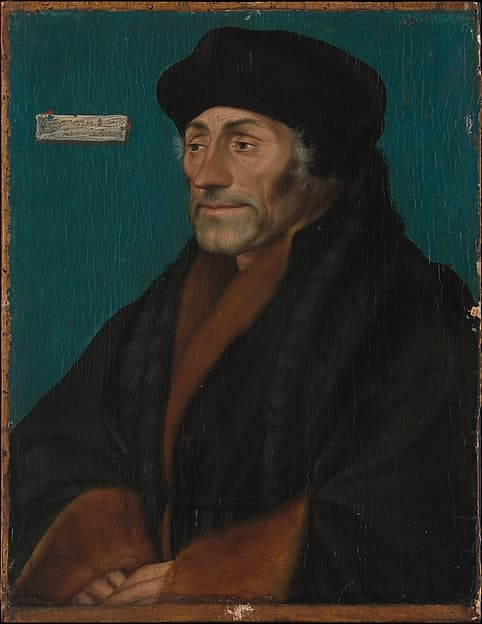
Erasmus of Rotterdam
Hans Holbein the Younger · ca. 1532

Portrait of Theodoor Rombouts
Artist not stated in the record · 1630
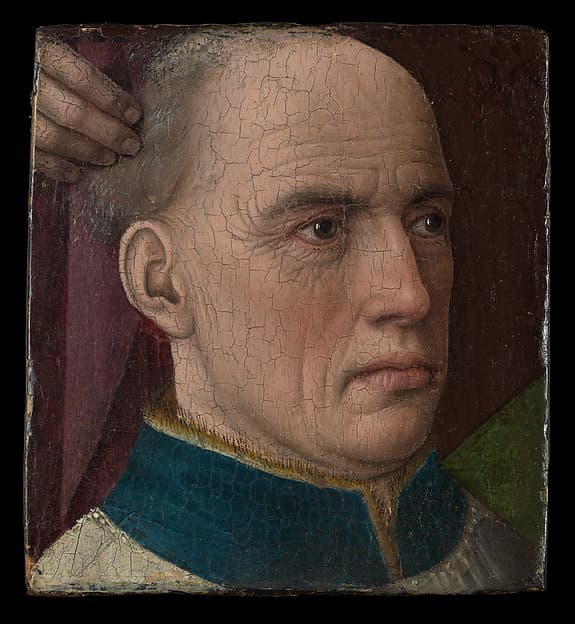
Head of a Donor
Albert van Ouwater · ca. 1465–70

Portrait of Gerard Seghers, from the Icones Principum Virorum
Artist not stated in the record · 1630
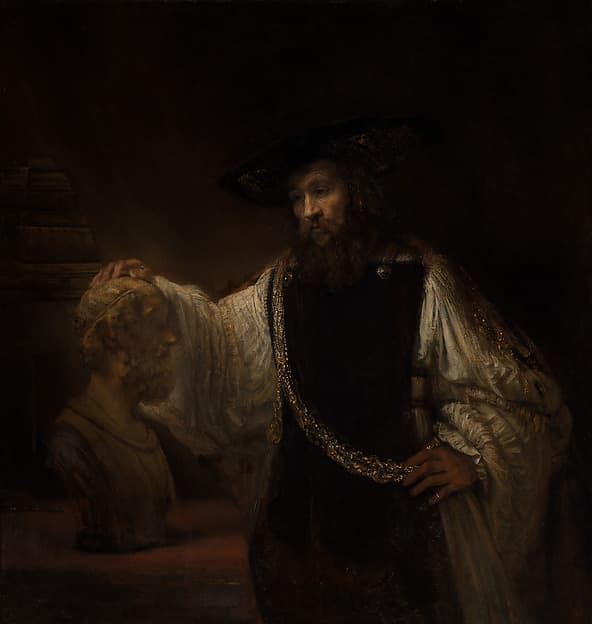
Aristotle with a Bust of Homer
Rembrandt (Rembrandt van Rijn) · 1653

Self-Portrait of Anthony van Dyck
Artist not stated in the record · 1720
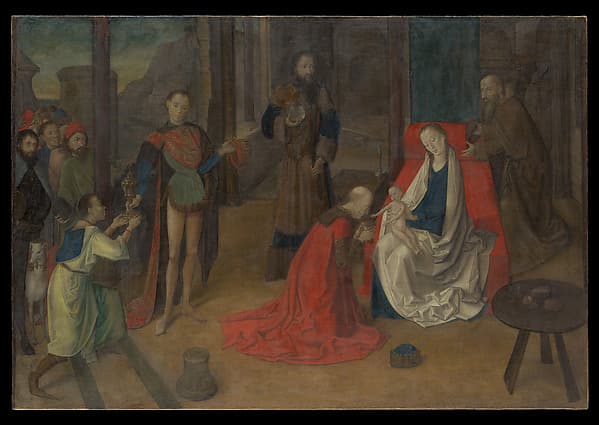
The Adoration of the Magi
Joos van Wassenhove · 1472–74

Self-Portrait of Anthony van Dyck, from the Icones Principum Virorum
Artist not stated in the record · 1633–1641
Where these records came from.
Two archives are wired, and only two. Each one is filtered on its own rights field — never on a title match, and never on the presence of an image file.
- The Met Collection API (Open Access)Rights field:
isPublicDomain. 182 matched · 24 examined · 0 dropped by the rights gate. Kept only where isPublicDomain === true and a file URL was published.12 shown - Smithsonian Open Access API (api.si.edu)Rights field:
content.descriptiveNonRepeating.metadata_usage.access. 2975101 matched · 40 examined · 21 dropped by the rights gate. Kept only where metadata_usage.access === "CC0" and an image resource was published.12 shown
These figures describe the pass run at 2026-09-01 08:17 UTC, during this request. A completed pass is kept for 24 hours and replayed for an identical search, which is what keeps repeated queries inside Smithsonian’s 30-requests-per-hour allowance. A pass in which either archive failed to answer is never kept — an outage must not be replayed as though it were a finding about the catalogue.
Wikimedia Commons and the Library of Congress are deliberately not wired. Wikimedia was confirmed, on a live query, to return CC-BY material inside the same result set as genuine public domain works, and filtering it safely has not been designed yet. loc.gov was blocked by bot detection during the source evaluation, so its rights vocabulary has never been observed — and nothing here is built on a field nobody has read.
An image file is a rights claim. It never travels without its field.