 Open
OpenTwo archives, queried live.
Every record below comes from The Met or Smithsonian Open Access and was filtered on that archive’s own rights field before it reached this page. 22 shown for “Positive Organ” — 64 records examined, 35 dropped by the rights gate.
Archives queried 2026-08-28 23:23 UTC · fetched live for this request
isPublicDomain field is true for this object.metadata_usage.access reads CC0 — a waiver, not an expired term.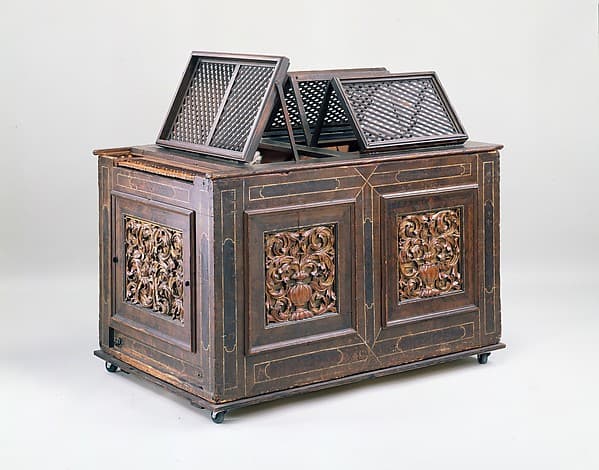
Positive Organ
Artist not stated in the record · 17th century

Organic Motif
Artist not stated in the record · late 18th - early 19th century
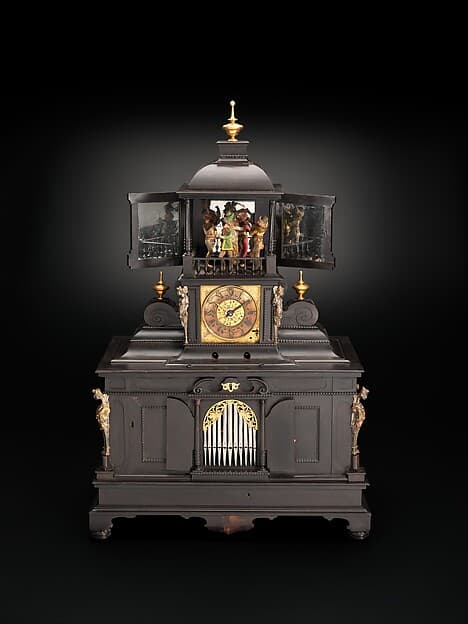
Musical Clock with Spinet and Organ
Veit Langenbucher · ca. 1625

Textile
Artist not stated in the record · 1875–85
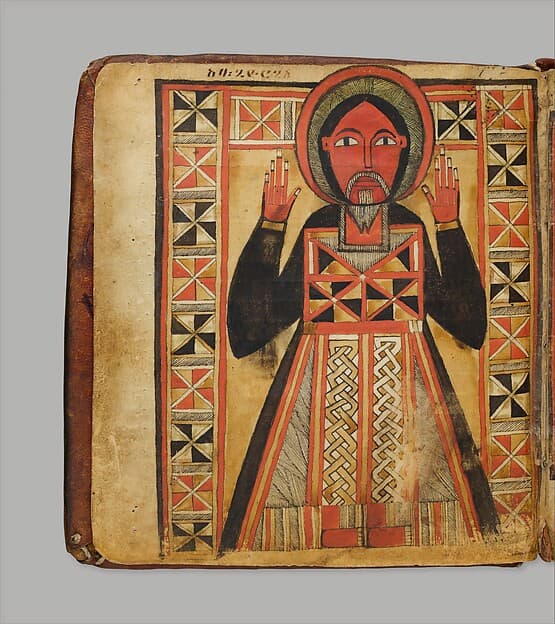
Arganonä Maryam (The Organ of Mary) prayer book
Baselyos, also known as "The Ground Hornbill Master" · late 17th century

City letter carrier cap badge, number 3
Artist not stated in the record · early 1900s
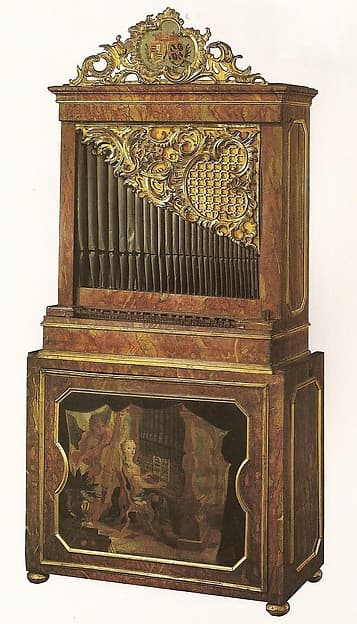
Chamber Organ
Unknown · 18th century

Dutch mailbox
Artist not stated in the record · 1930 - 1955
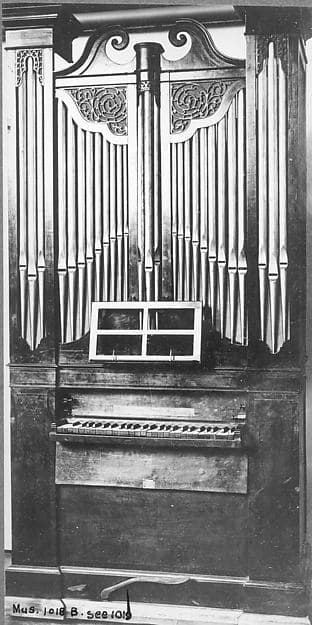
Chamber Organ
Thomas Chapman · 1779

Messenger cap badge, number 2
C. D. Reese Company, Inc. · 1900s
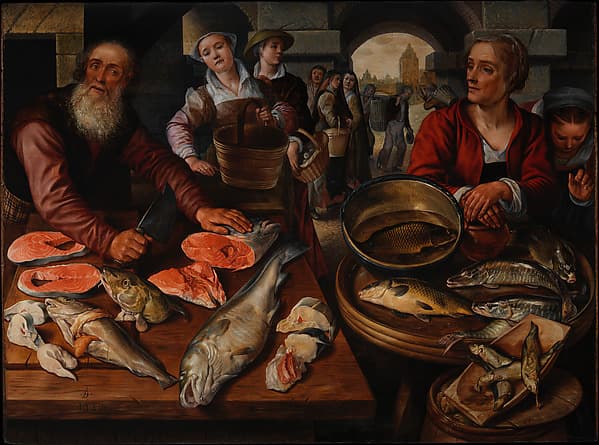
Fish Market
Joachim Beuckelaer · 1568

Service Badge
C. J. Hellers · Date of issue: late 1888-1922
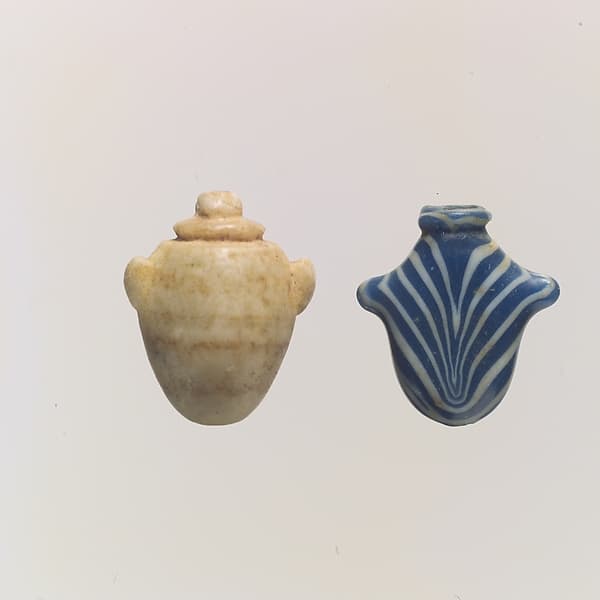
Heart amulets
Artist not stated in the record · ca. 1550–1200 BCE

Foundering Icebergs near Battle Harbour, Canada
Frederic Edwin Church, American, 1826–1900 · July 7 and 9, 1859
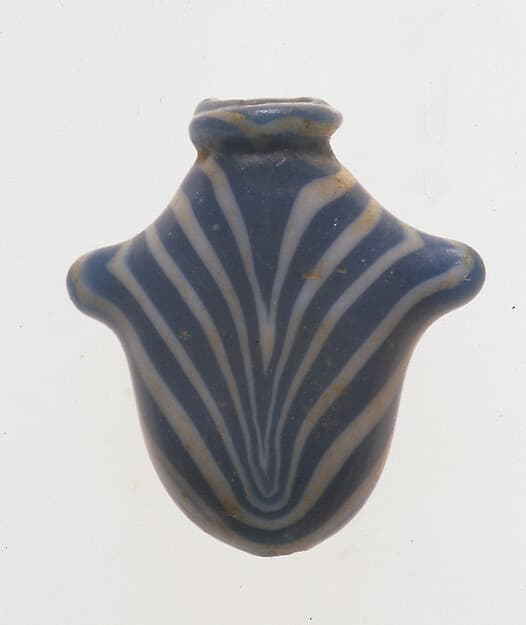
Heart amulet
Artist not stated in the record · ca. 1550–1200 BCE

RFD letter carrier cap badge, number 2
C. J. Hellers · early 1900s

City letter carrier cap badge, number 77
C. J. Hellers · 1888-1922
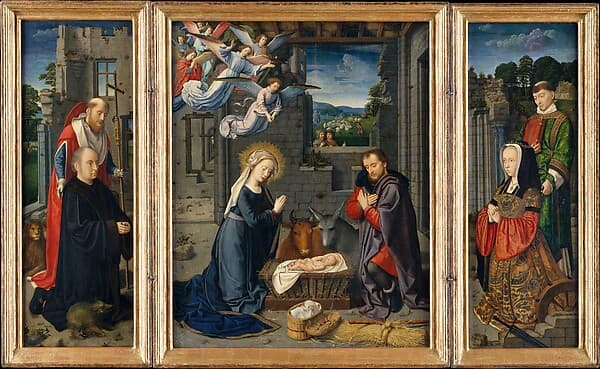
The Nativity with Donors and Saints Jerome and Leonard
Gerard David · ca. 1510–15

City letter carrier cap badge, number 1504
Artist not stated in the record · 1955
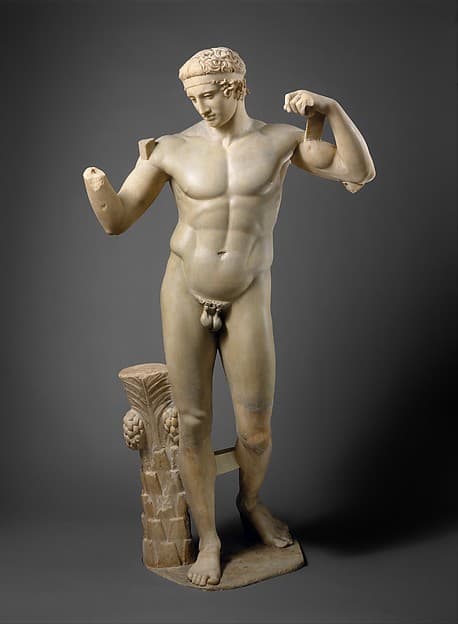
Fragments of a marble statue of the Diadoumenos (youth tying a fillet around his head)
Polykleitos · ca. 69–96 CE

City letter carrier cap badge, number 11
C. J. Hellers · late 1800s
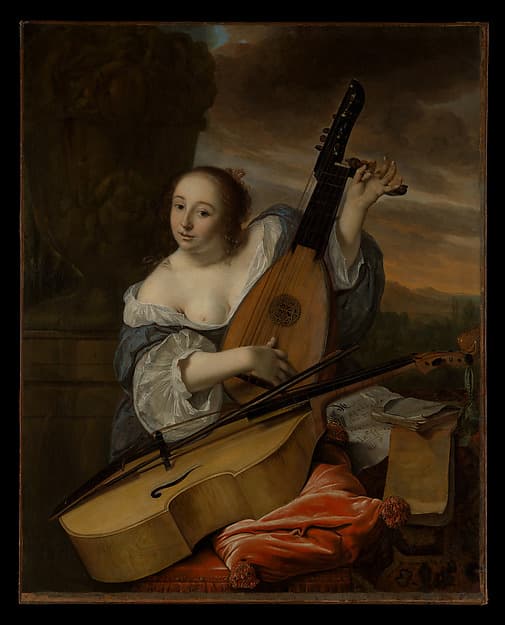
The Musician
Bartholomeus van der Helst · 1662
Where these records came from.
Two archives are wired, and only two. Each one is filtered on its own rights field — never on a title match, and never on the presence of an image file.
- The Met Collection API (Open Access)Rights field:
isPublicDomain. 292 matched · 24 examined · 6 dropped by the rights gate. Kept only where isPublicDomain === true and a file URL was published.12 shown - Smithsonian Open Access API (api.si.edu)Rights field:
content.descriptiveNonRepeating.metadata_usage.access. 14110 matched · 40 examined · 29 dropped by the rights gate. Kept only where metadata_usage.access === "CC0" and an image resource was published.11 shown
These figures describe the pass run at 2026-08-28 23:23 UTC, during this request. A completed pass is kept for 24 hours and replayed for an identical search, which is what keeps repeated queries inside Smithsonian’s 30-requests-per-hour allowance. A pass in which either archive failed to answer is never kept — an outage must not be replayed as though it were a finding about the catalogue.
Wikimedia Commons and the Library of Congress are deliberately not wired. Wikimedia was confirmed, on a live query, to return CC-BY material inside the same result set as genuine public domain works, and filtering it safely has not been designed yet. loc.gov was blocked by bot detection during the source evaluation, so its rights vocabulary has never been observed — and nothing here is built on a field nobody has read.
An image file is a rights claim. It never travels without its field.