 Open
OpenTwo archives, queried live.
Every record below comes from The Met or Smithsonian Open Access and was filtered on that archive’s own rights field before it reached this page. 24 shown for “Receptacle with Figurative Relief and Stopper” — 64 records examined, 16 dropped by the rights gate.
Archives queried 2026-08-29 07:42 UTC · fetched live for this request
isPublicDomain field is true for this object.metadata_usage.access reads CC0 — a waiver, not an expired term.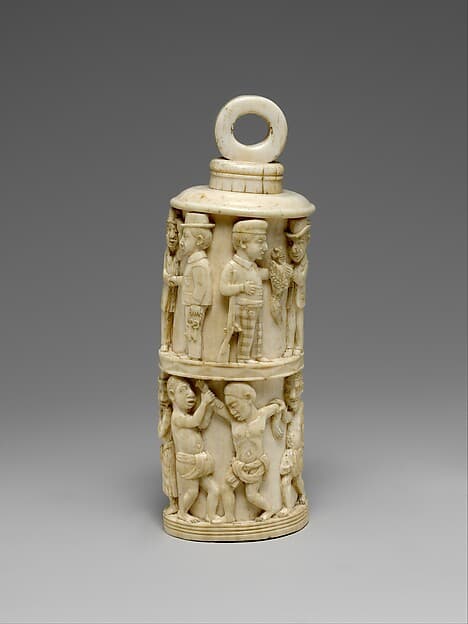
Receptacle with Figurative Relief and Stopper
Artist not stated in the record · 1880–1890

Snuff bottle and stopper
Artist not stated in the record · 19th century
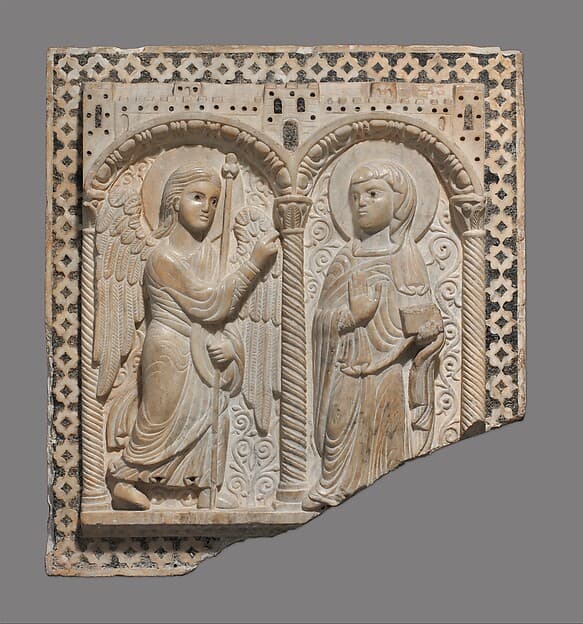
Relief with the Annunciation
Artist not stated in the record · ca. 1180–1200

No. 2
Josef Lobmeyr Senior, Austrian, 1792 - 1855 · ca. 1835
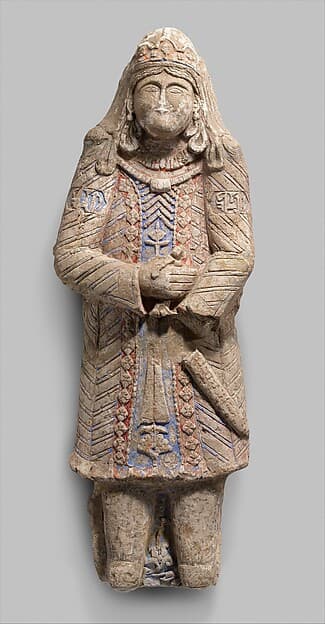
Standing Figure with Jeweled Headdress
Artist not stated in the record · 12th–early 13th century

Sketch for a Reliquary
Artist not stated in the record · 1750–1775
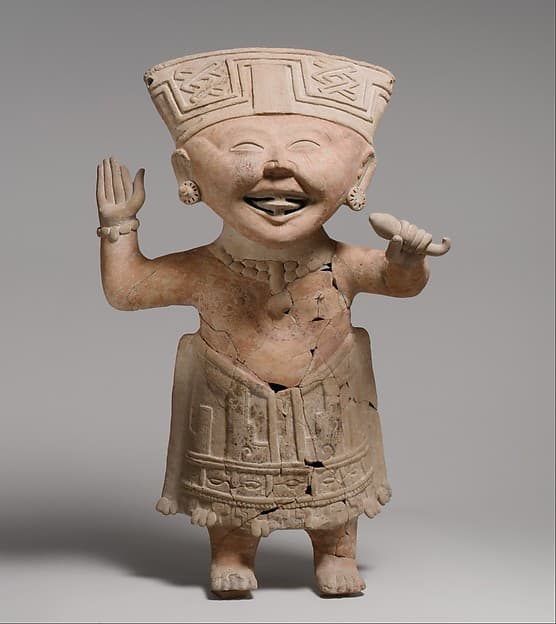
Smiling figure (Sonriente)
South central Veracruz artist(s) · 600–1000 CE

Snuff bottle and stopper
Artist not stated in the record · 1736–93
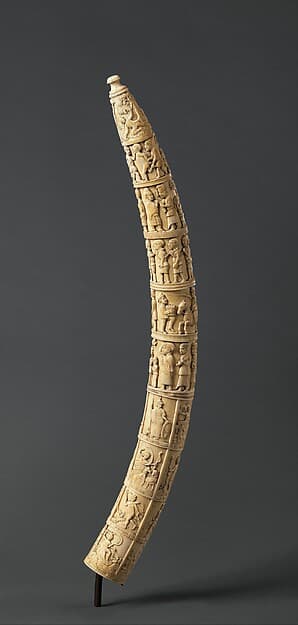
Tusk with Figurative Relief
Vili-Kongo artist(s) · ca. 1880–1890

Design for an Urn on a Stand with a Spirit Lamp
Joseph Anton Seethaler II, German, 1799–1868 · 1825
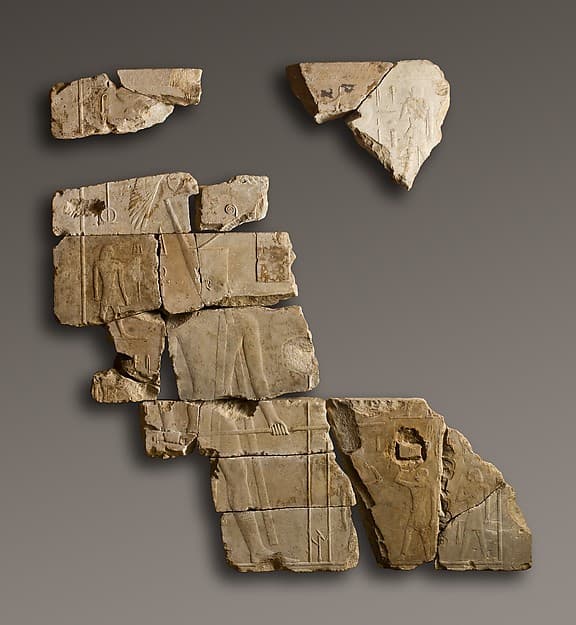
Relief from the Palace of Apries in Memphis
Artist not stated in the record · 589–570 BCE

Drawing
Leonardo Scaglia, French, active Italy, 1640 – 1650 · 1620-1630
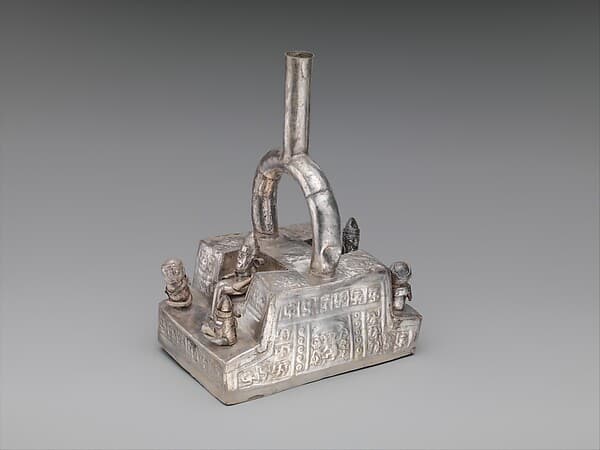
Stirrup-spout bottle with palace scene
Chimú artist(s) · 1000–1470 CE

Elevation of a Monstrance
Artist not stated in the record · early 19th century
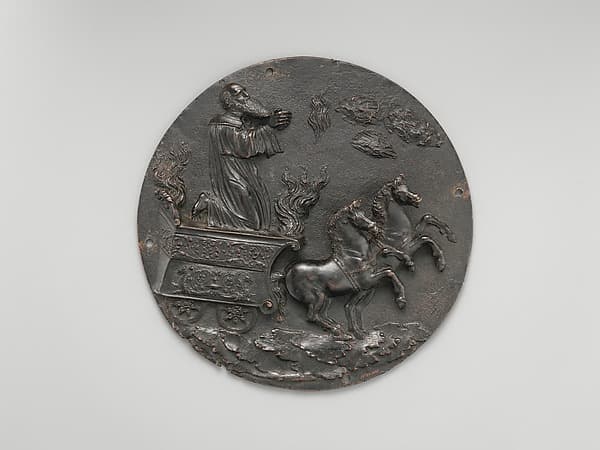
Elijah in the Fiery Chariot
Master of the Barbarigo Reliefs · ca. 1520

Vinaigrette
Artist not stated in the record · ca. 1770
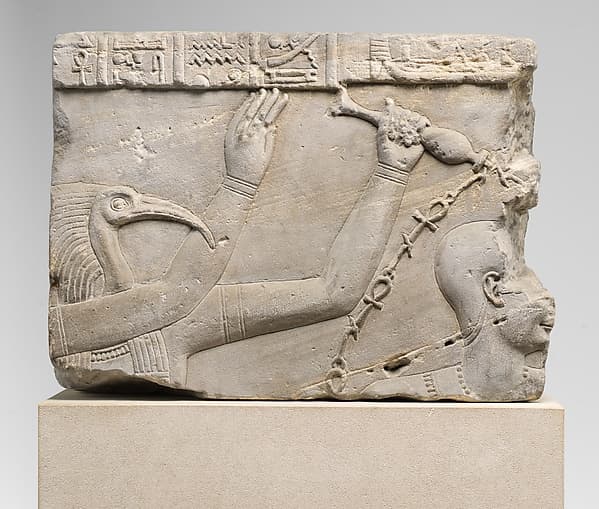
Cornice Block with Relief Depicting the Purification of the Pharaoh
Artist not stated in the record · 41–68 CE

Glass bottle
Robert Frederick Blum, American, 1857–1903 · 1879
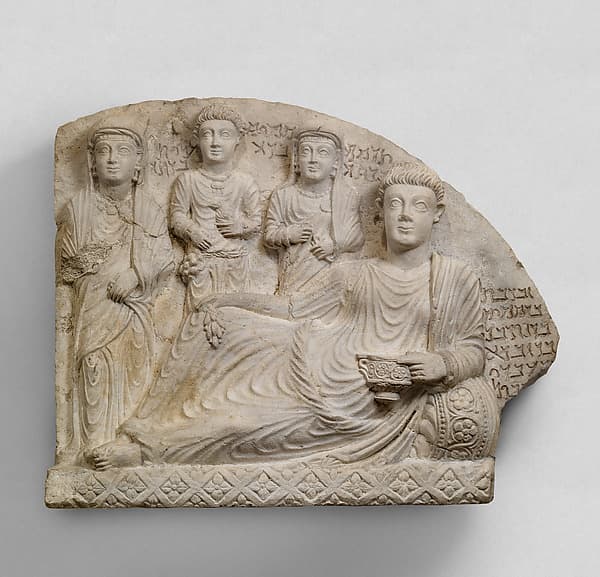
Funerary relief
Artist not stated in the record · ca. 2nd–3rd century CE

A Sepulchral Monument of Henry Cardinal York (1725-1807) and Charles Edward Stuart, the "Young Pretender" (1720-1788)
Artist not stated in the record · ca. 1818
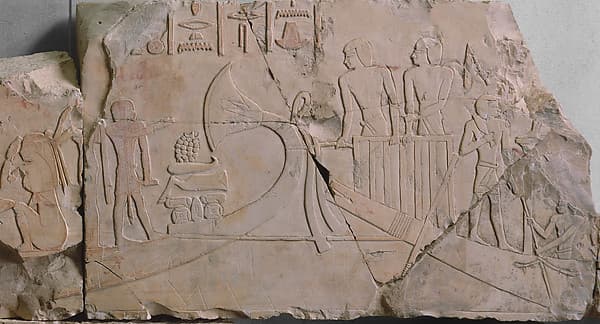
Relief from the Tomb of Nespekashuty
Artist not stated in the record · 656–650 BCE

Dish with the Four Continents
Artist not stated in the record · 19th century
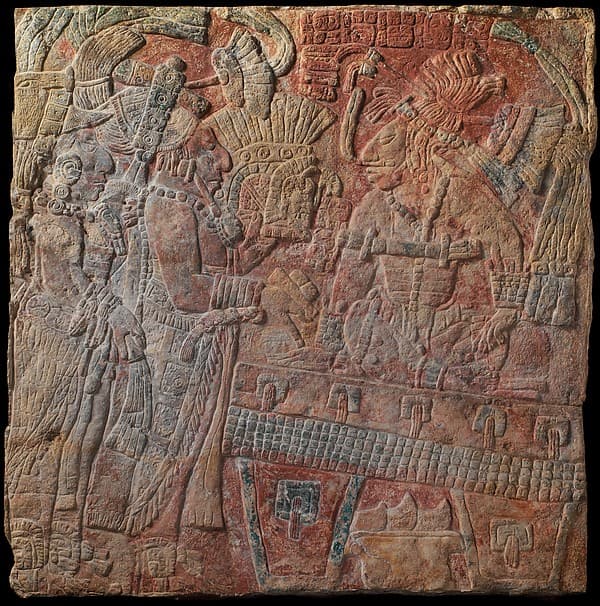
Relief with enthroned ruler
Chakalte' · 770 CE

relief
Artist not stated in the record · ca. 1781
Where these records came from.
Two archives are wired, and only two. Each one is filtered on its own rights field — never on a title match, and never on the presence of an image file.
- The Met Collection API (Open Access)Rights field:
isPublicDomain. 2102 matched · 24 examined · 3 dropped by the rights gate. Kept only where isPublicDomain === true and a file URL was published.12 shown - Smithsonian Open Access API (api.si.edu)Rights field:
content.descriptiveNonRepeating.metadata_usage.access. 1531216 matched · 40 examined · 13 dropped by the rights gate. Kept only where metadata_usage.access === "CC0" and an image resource was published.12 shown
These figures describe the pass run at 2026-08-29 07:42 UTC, during this request. A completed pass is kept for 24 hours and replayed for an identical search, which is what keeps repeated queries inside Smithsonian’s 30-requests-per-hour allowance. A pass in which either archive failed to answer is never kept — an outage must not be replayed as though it were a finding about the catalogue.
Wikimedia Commons and the Library of Congress are deliberately not wired. Wikimedia was confirmed, on a live query, to return CC-BY material inside the same result set as genuine public domain works, and filtering it safely has not been designed yet. loc.gov was blocked by bot detection during the source evaluation, so its rights vocabulary has never been observed — and nothing here is built on a field nobody has read.
An image file is a rights claim. It never travels without its field.