 Open
OpenTwo archives, queried live.
Every record below comes from The Met or Smithsonian Open Access and was filtered on that archive’s own rights field before it reached this page. 24 shown for “Roundel with Killing of the Ox (December)” — 64 records examined, 5 dropped by the rights gate.
Archives queried 2026-08-29 02:22 UTC · fetched live for this request
isPublicDomain field is true for this object.metadata_usage.access reads CC0 — a waiver, not an expired term.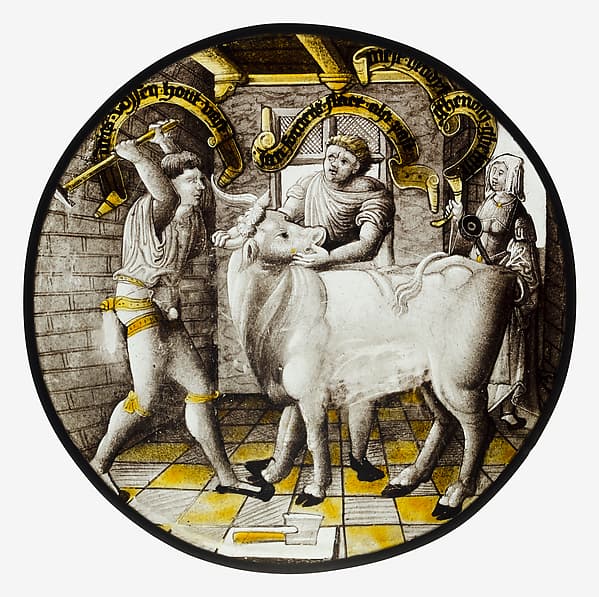
Roundel with Killing of the Ox (December)
Artist not stated in the record · early 16th century

Panel fragment
Artist not stated in the record · 1550–1600
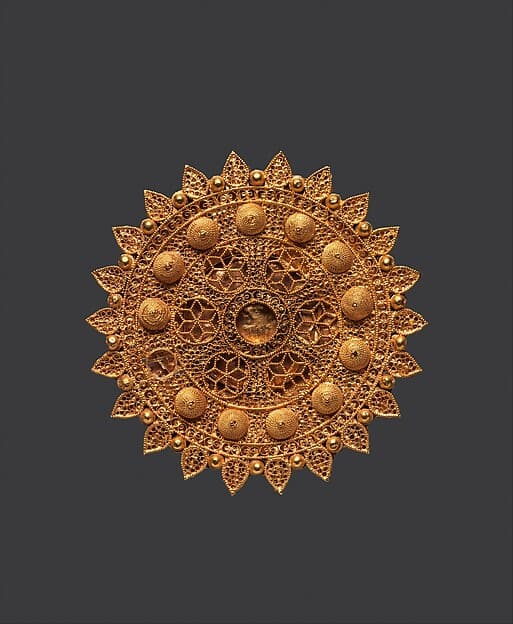
Roundel
Artist not stated in the record · 11th century

Remus Drives Away and Kills the Robbers of the Herds; Santuary for the Fugitives on the Campidoglio, Two Studies after Carracci
Felice Giani, Italian, 1758–1823 · 1821–22
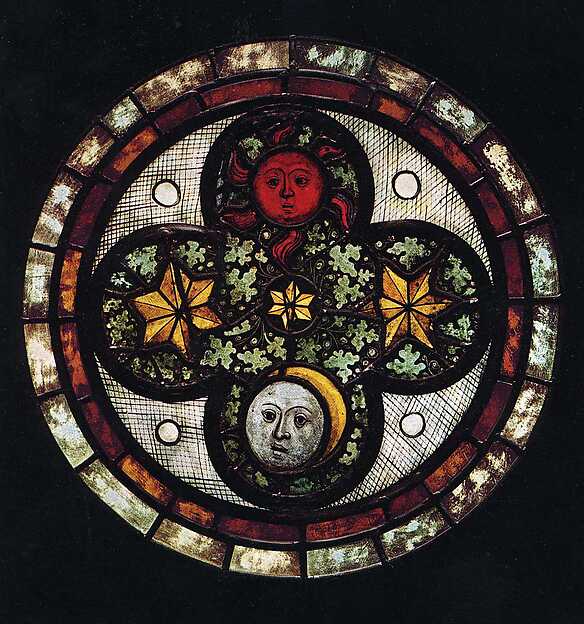
Roundel
Artist not stated in the record · 1390

Convention Badge
Artist not stated in the record · 1928
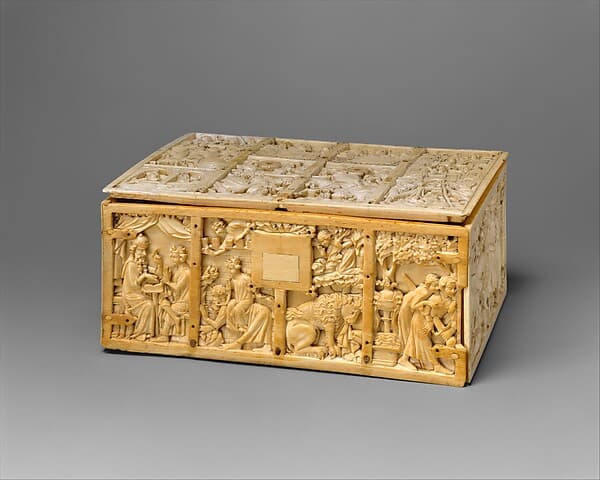
Box with Romance Scenes
Artist not stated in the record · ca. 1310–30

Fragments
Artist not stated in the record · ca. 1246
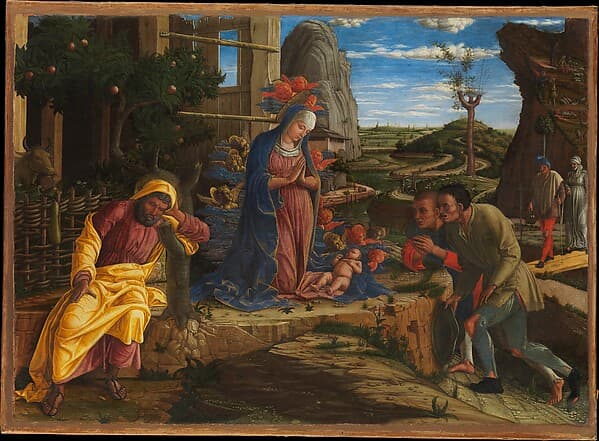
The Adoration of the Shepherds
Andrea Mantegna · shortly after 1450

Two Boats
Jean-Baptiste Pillement, French, 1728–1808 · 1773?
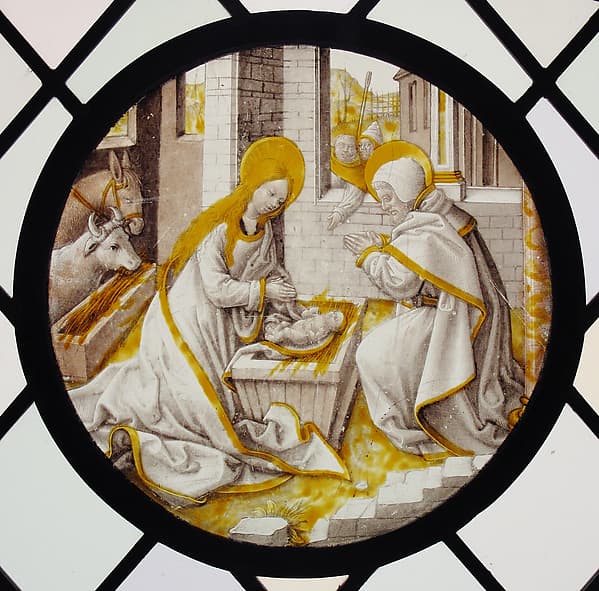
Roundel with the Nativity
Artist not stated in the record · 1510–20

The Lion Strangler
Artist not stated in the record · early–mid-12th century
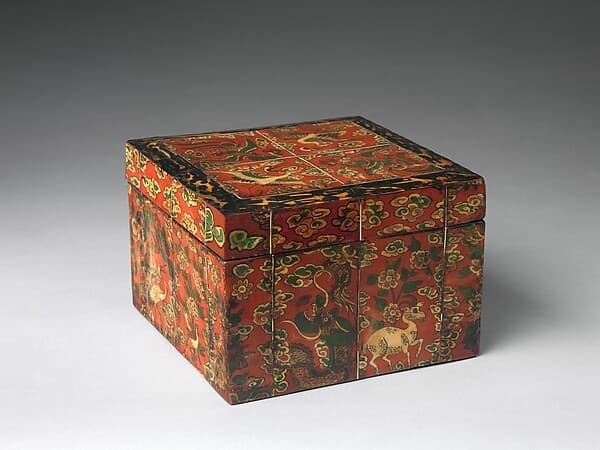
Box decorated with auspicious symbols
Artist not stated in the record · 19th century

Ornamental Panel with a Central Roundel
Jean Le Pautre, French, 1618–1682 · 1657–82
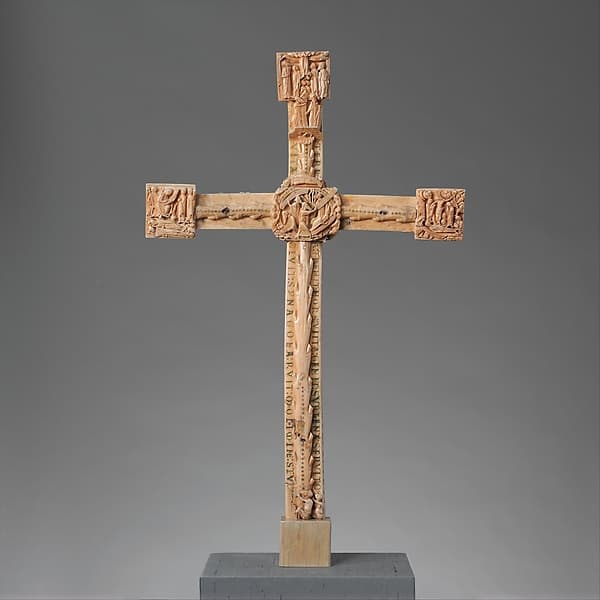
The Cloisters Cross
Artist not stated in the record · ca. 1150–60

Study for Roundel with Putto Holding Attributes of Music
Pierre-Victor Galland, Swiss, active France, 1822 - 1892 · late 19th century
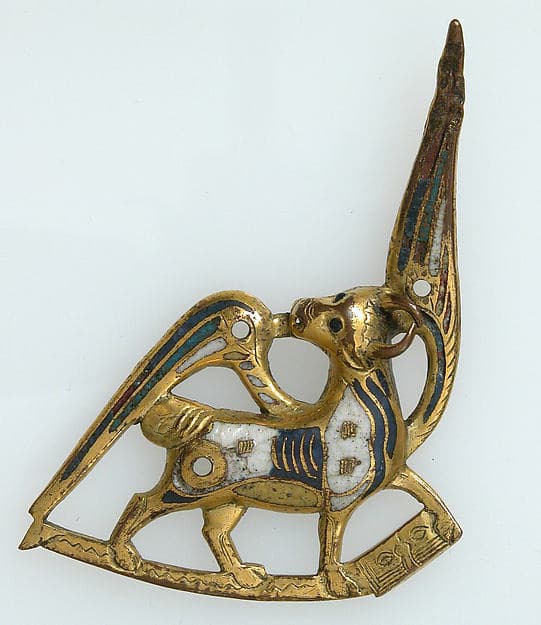
The Ox of Saint Luke (one of two appliqués from a book cover)
Artist not stated in the record · ca. 1200–1225

Fragment
Artist not stated in the record · 10th–11th century

"The Feast of Sada", Folio 22v from the Shahnama (Book of Kings) of Shah Tahmasp
Abu'l Qasim Firdausi · ca. 1525

Tapestry fragment
Artist not stated in the record · 13th century
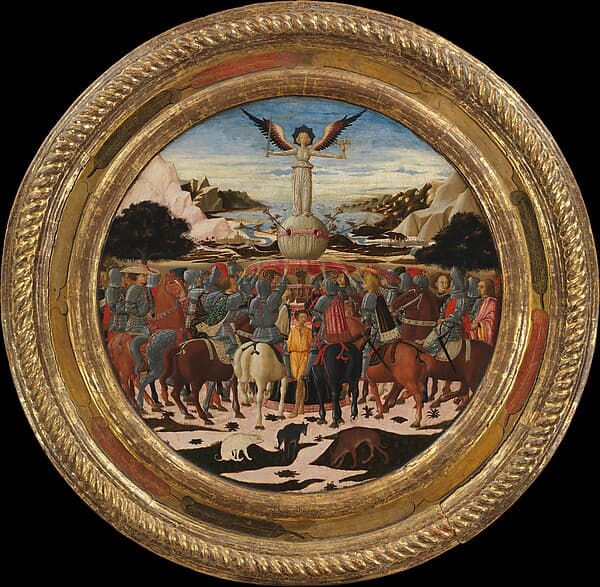
The Triumph of Fame; (reverse) Impresa of the Medici Family and Arms of the Medici and Tornabuoni Families
Giovanni di ser Giovanni Guidi (called Scheggia) · ca. 1449

Textile
Artist not stated in the record · 12th–13th century
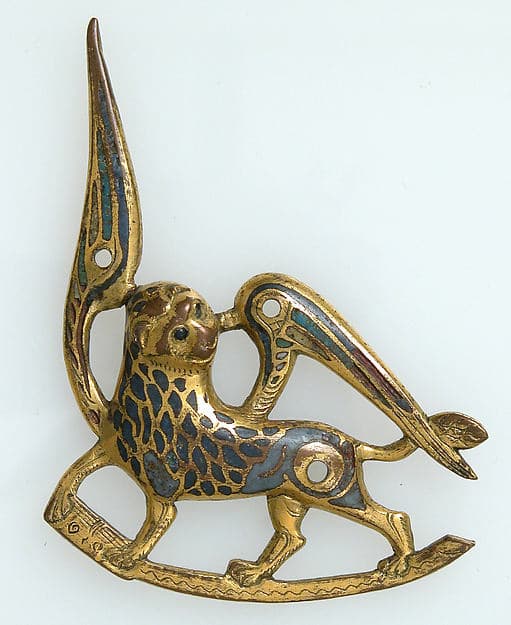
The Lion of Saint Mark (one of two appliqués from a book cover)
Artist not stated in the record · ca. 1200–1225

Tenjin (Sugawara no Michizane) with an ox
Artist not stated in the record · 16th century
Where these records came from.
Two archives are wired, and only two. Each one is filtered on its own rights field — never on a title match, and never on the presence of an image file.
- The Met Collection API (Open Access)Rights field:
isPublicDomain. 346 matched · 24 examined · 1 dropped by the rights gate. Kept only where isPublicDomain === true and a file URL was published.12 shown - Smithsonian Open Access API (api.si.edu)Rights field:
content.descriptiveNonRepeating.metadata_usage.access. 3011993 matched · 40 examined · 4 dropped by the rights gate. Kept only where metadata_usage.access === "CC0" and an image resource was published.12 shown
These figures describe the pass run at 2026-08-29 02:22 UTC, during this request. A completed pass is kept for 24 hours and replayed for an identical search, which is what keeps repeated queries inside Smithsonian’s 30-requests-per-hour allowance. A pass in which either archive failed to answer is never kept — an outage must not be replayed as though it were a finding about the catalogue.
Wikimedia Commons and the Library of Congress are deliberately not wired. Wikimedia was confirmed, on a live query, to return CC-BY material inside the same result set as genuine public domain works, and filtering it safely has not been designed yet. loc.gov was blocked by bot detection during the source evaluation, so its rights vocabulary has never been observed — and nothing here is built on a field nobody has read.
An image file is a rights claim. It never travels without its field.