 Open
OpenTwo archives, queried live.
Every record below comes from The Met or Smithsonian Open Access and was filtered on that archive’s own rights field before it reached this page. 21 shown for “Sacred animal mummy in the form typical of a wrapped ibis, decorated with a figure of Duamutef” — 64 records examined, 32 dropped by the rights gate.
Archives queried 2026-08-27 11:49 UTC · fetched live for this request
isPublicDomain field is true for this object.metadata_usage.access reads CC0 — a waiver, not an expired term.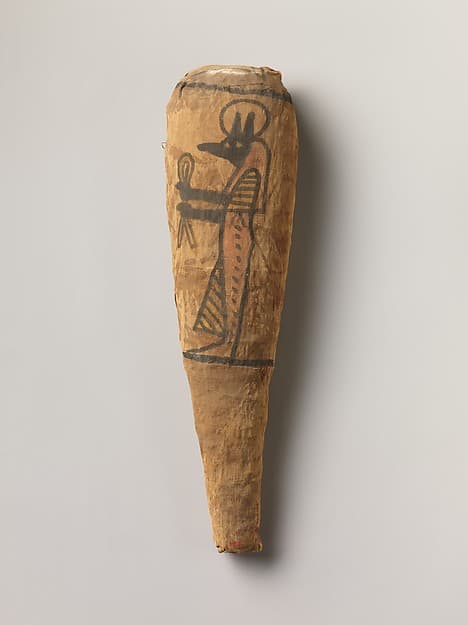
Sacred animal mummy in the form typical of a wrapped ibis, decorated with a figure of Duamutef
Artist not stated in the record · ca. 400 BCE–100 CE

"Cairo 93"
Artist not stated in the record · ca. 1893
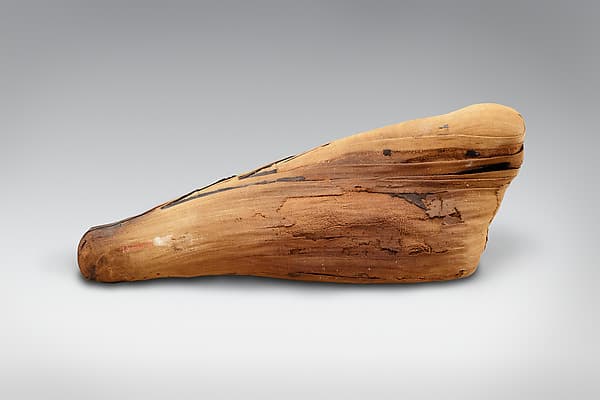
Sacred animal mummy of an ibis
Artist not stated in the record · ca. 400 BCE–100 CE

LA FONTAINE DES QUATRES PARTIES DU MONDE
François de Cuvilliés the younger, German, 1731 - 1777 · 1769
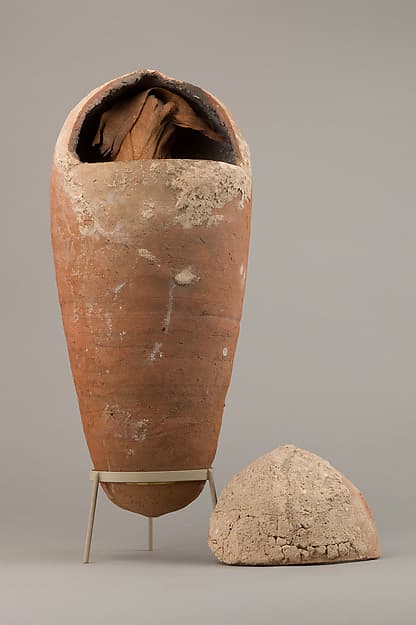
Sacred animal mummy of an ibis inside a jar
Artist not stated in the record · ca. 400 BCE–100 CE

Mask
Unidentified
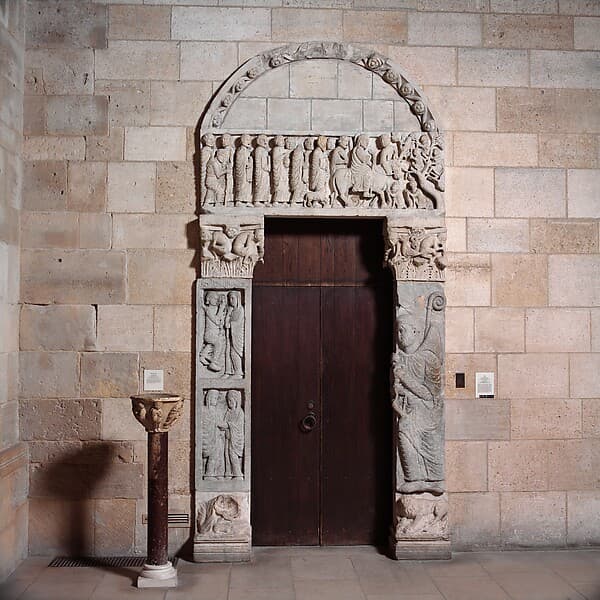
Portal from the Church of San Leonardo al Frigido
Biduinus · ca. 1175

Projet pour un salon de musique (Design for a Wall Elevation in a Music Room)
Unknown, French · ca. 1785
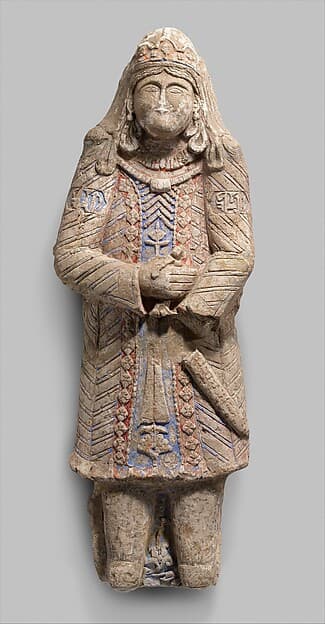
Standing Figure with Jeweled Headdress
Artist not stated in the record · 12th–early 13th century

Surtout de Table (Table centerpiece)
Pierre-Philippe Thomire, French, 1751 - 1843 · ca. 1810
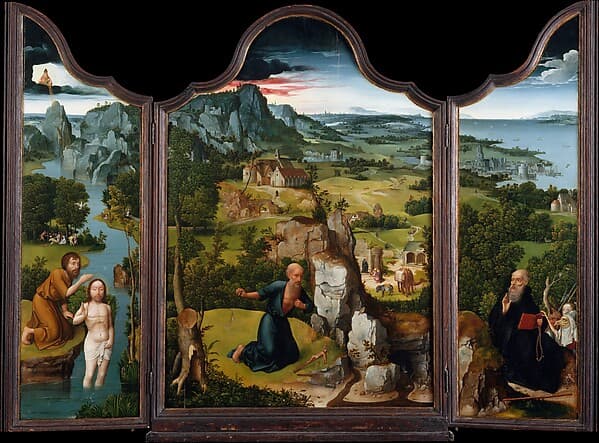
The Penitence of Saint Jerome
Joachim Patinir · ca. 1515

Design for a Decorative Burgonet
Artist not stated in the record · early 17th century
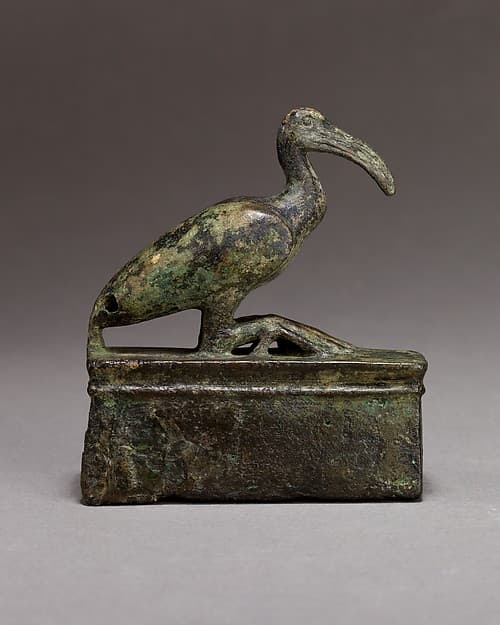
Ibis on a shrine shaped box, probably for an animal mummy
Artist not stated in the record · 664–30 BCE

Tea Bowl and Saucer with "Hausmaler" Decor
Meissen Porcelain Manufactory, German, active from 1710 to the present · 1720–1730
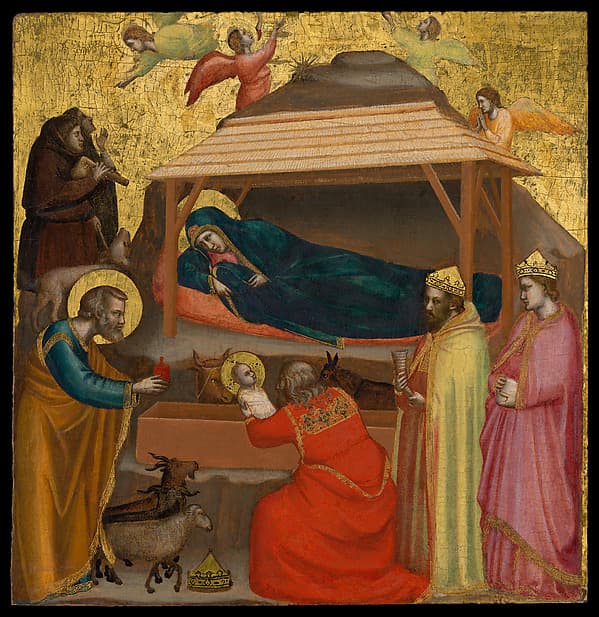
The Adoration of the Magi
Giotto di Bondone · possibly ca. 1320

Horse wrapping cloth (umakake)
Artist not stated in the record · late 18th century
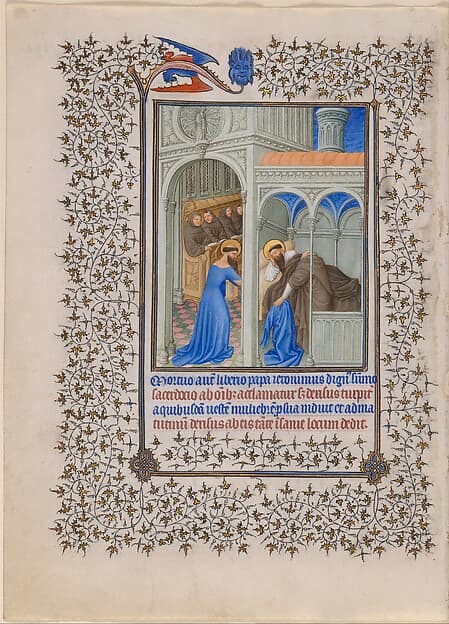
The Belles Heures of Jean de France, duc de Berry
The Limbourg Brothers · 1405–1408/1409

Fragment
Artist not stated in the record · 4th–5th century
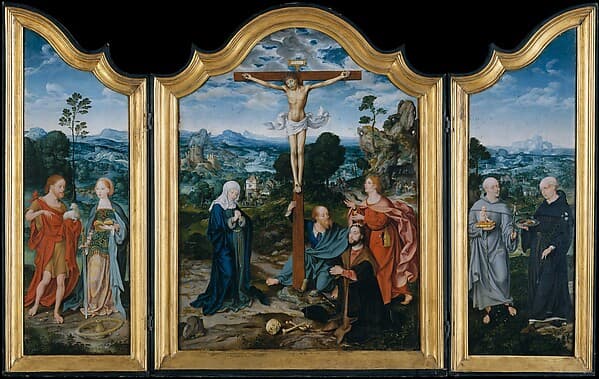
The Crucifixion with Saints and a Donor
Joos van Cleve · ca. 1520
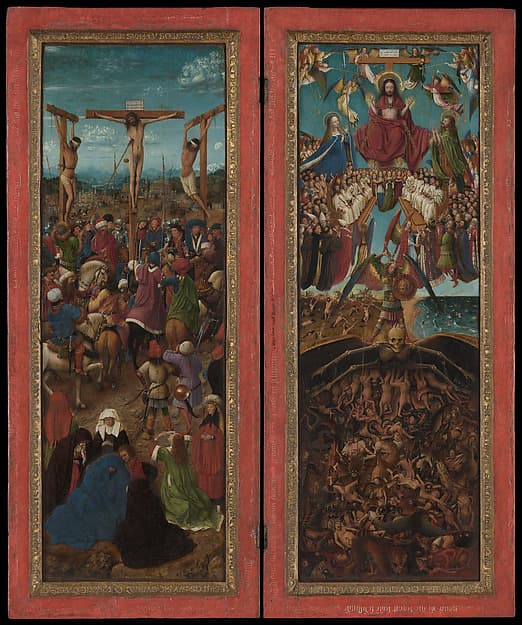
The Crucifixion; The Last Judgment
Jan van Eyck · ca. 1436–38
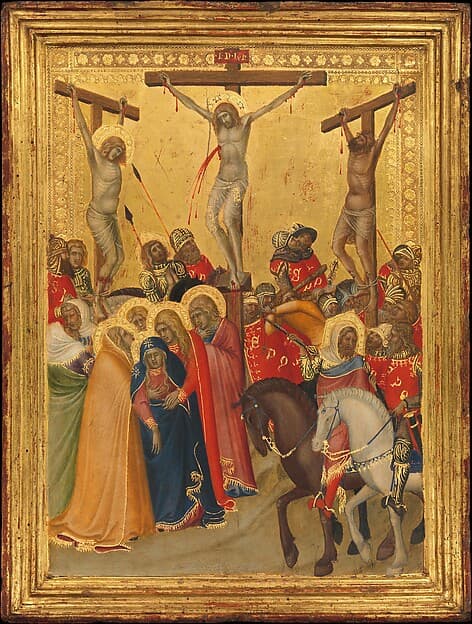
The Crucifixion
Pietro Lorenzetti · 1340s
Where these records came from.
Two archives are wired, and only two. Each one is filtered on its own rights field — never on a title match, and never on the presence of an image file.
- The Met Collection API (Open Access)Rights field:
isPublicDomain. 560 matched · 24 examined · 1 dropped by the rights gate. Kept only where isPublicDomain === true and a file URL was published.12 shown - Smithsonian Open Access API (api.si.edu)Rights field:
content.descriptiveNonRepeating.metadata_usage.access. 7483647 matched · 40 examined · 31 dropped by the rights gate. Kept only where metadata_usage.access === "CC0" and an image resource was published.9 shown
These figures describe the pass run at 2026-08-27 11:49 UTC, during this request. A completed pass is kept for 24 hours and replayed for an identical search, which is what keeps repeated queries inside Smithsonian’s 30-requests-per-hour allowance. A pass in which either archive failed to answer is never kept — an outage must not be replayed as though it were a finding about the catalogue.
Wikimedia Commons and the Library of Congress are deliberately not wired. Wikimedia was confirmed, on a live query, to return CC-BY material inside the same result set as genuine public domain works, and filtering it safely has not been designed yet. loc.gov was blocked by bot detection during the source evaluation, so its rights vocabulary has never been observed — and nothing here is built on a field nobody has read.
An image file is a rights claim. It never travels without its field.