 Open
OpenTwo archives, queried live.
Every record below comes from The Met or Smithsonian Open Access and was filtered on that archive’s own rights field before it reached this page. 20 shown for “Scarab Inscribed with the Horus Falcon and Uraeus” — 64 records examined, 40 dropped by the rights gate.
Archives queried 2026-08-27 06:57 UTC · fetched live for this request
isPublicDomain field is true for this object.metadata_usage.access reads CC0 — a waiver, not an expired term.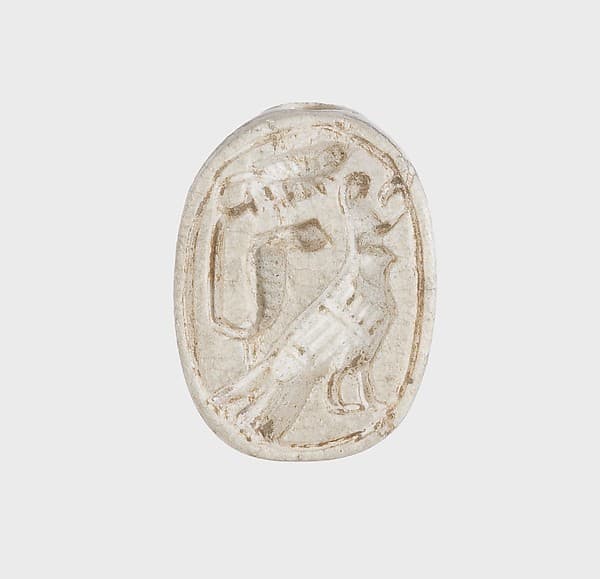
Scarab Inscribed with the Horus Falcon and Uraeus
Artist not stated in the record · ca. 1386–1347 BCE

Puzza tenant son fils Horus Divinitéz qui préside aux grains et fruits Chez les Chinois
François-Thomas Mondon, French, 1709 – 1755 · 1736
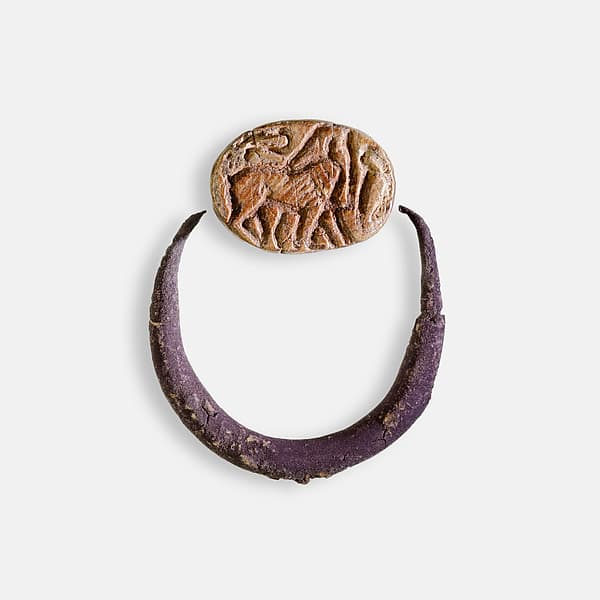
Scarab Ring of Ruiu
Artist not stated in the record · ca. 1504–1447 BCE

Vase
Tiffany & Company, American, established 1853 · ca. 1909–10
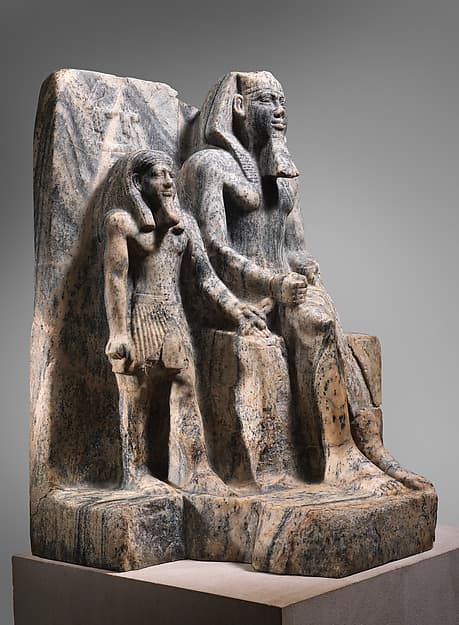
King Sahure Accompanied by a Divine Figure
Artist not stated in the record · ca. 2458–2446 BCE

"Blackpool"
Artist not stated in the record · 1900–10
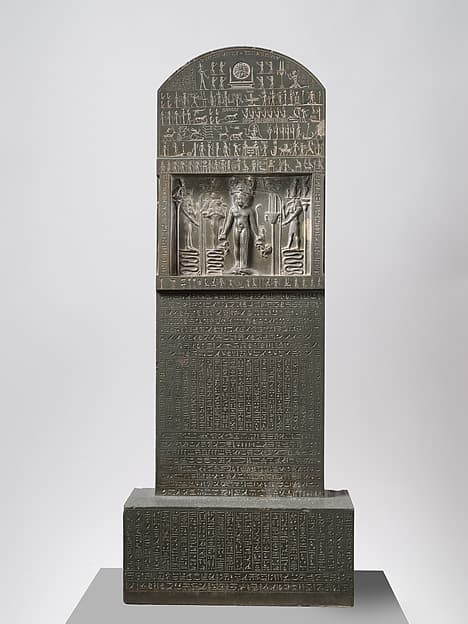
Magical Stela with Horus the Child
Artist not stated in the record · 360–343 BCE

Advertisement for "Atlas Ready Mixed Paint"
Whitehead & Hoag Company · 1900–10
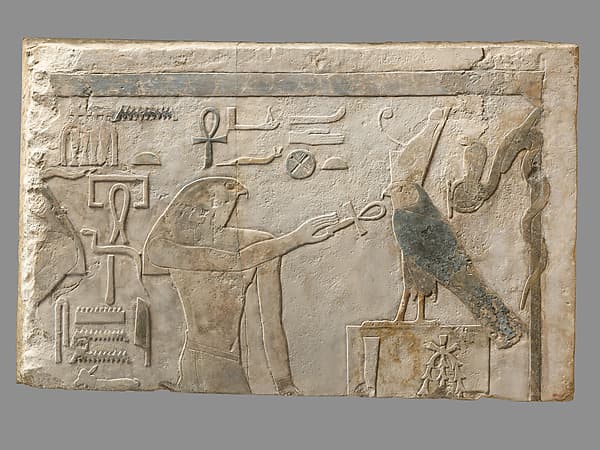
Lintel depicting Horus offering an ankh sign to the Horus name of King Amenemhat I
Artist not stated in the record · ca. 1981–1952 BCE

Hare Hunt with Falcons
Jan van der Straet, called Stradanus, Flemish, 1523–1605 · ca. 1599
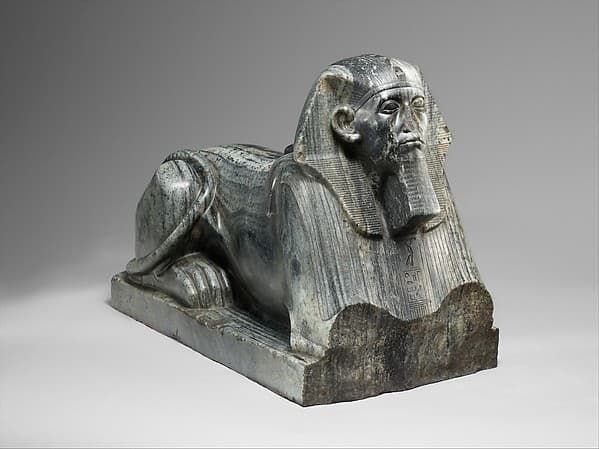
Senwosret III as a Sphinx
Artist not stated in the record · ca. 1878–1840 B.C.

Advertisement for the "National Union of the United Brewery Workmen"
Whitehead & Hoag Company · 1900–10
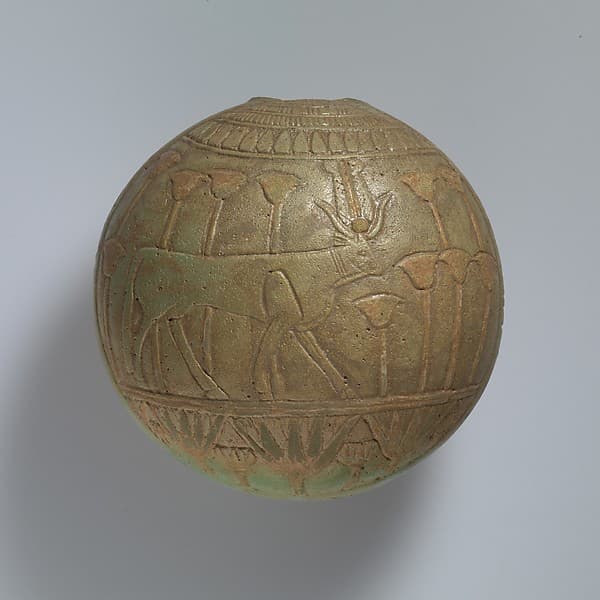
Relief-decorated Lentoid Bottle ("New Year's Bottle"); Horus falcon in marshes on one side; cow goddess in marshes on the other
Artist not stated in the record · 664–525 BCE

Falcon's hood
Artist not stated in the record · early 17th century
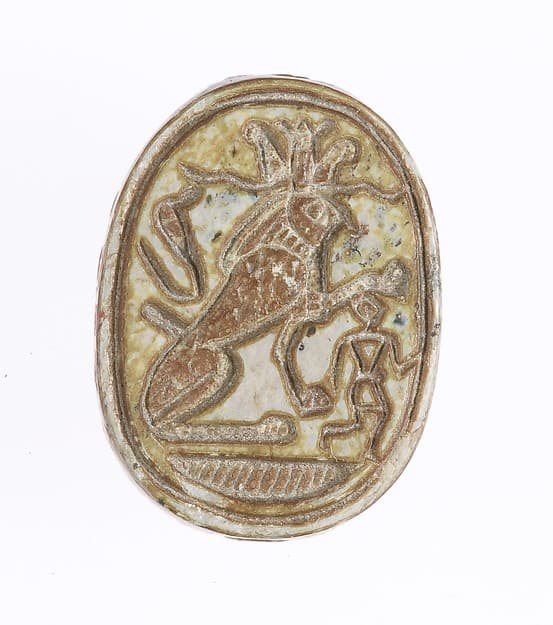
Scarab Inscribed With a Protective Motif
Artist not stated in the record · ca. 1550–1458 BCE

Bird Hunt with Falcons
Jan van der Straet, called Stradanus, Flemish, 1523–1605 · ca. 1580–1605
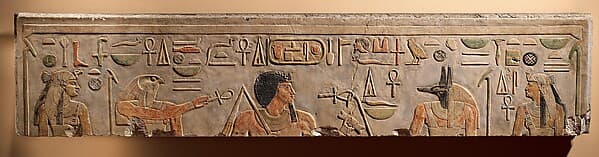
Lintel depicting King Amenemhat I flanked by Nekhbet, Horus, Anubis, and Wadjet
Artist not stated in the record · ca. 1981–1952 BCE
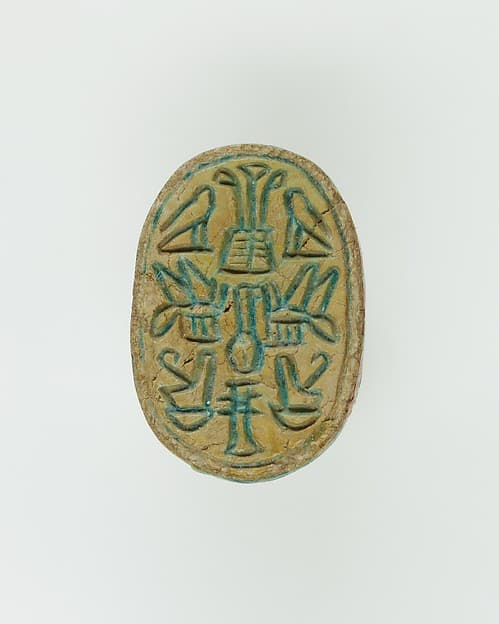
Scarab Inscribed with Hieroglyphs
Artist not stated in the record · ca. 1760–1670 B.C.
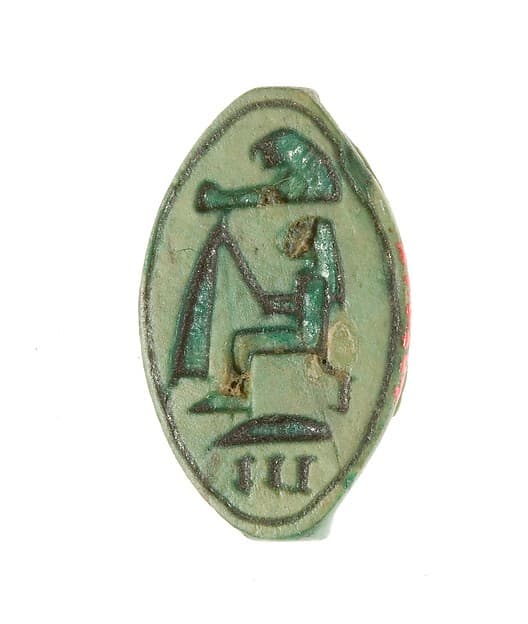
Cowroid Seal Amulet Inscribed with the Name of Hatshepsut
Artist not stated in the record · ca. 1473–1458 BCE
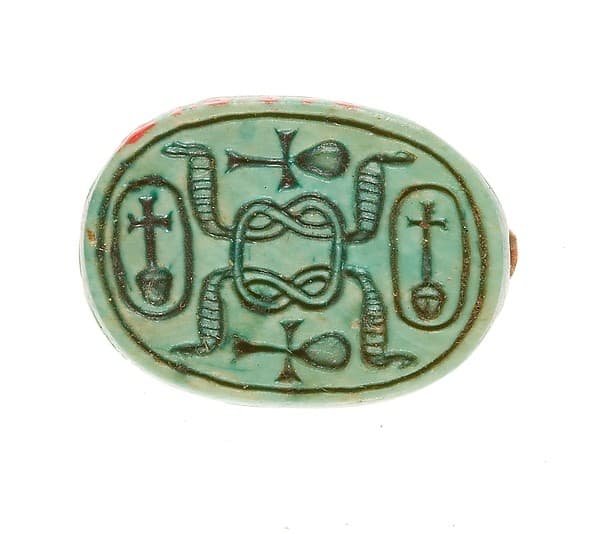
Scarab Inscribed with a Hieroglyphic Motif
Artist not stated in the record · ca. 1473–1458 BCE
Where these records came from.
Two archives are wired, and only two. Each one is filtered on its own rights field — never on a title match, and never on the presence of an image file.
- The Met Collection API (Open Access)Rights field:
isPublicDomain. 84 matched · 24 examined · 8 dropped by the rights gate. Kept only where isPublicDomain === true and a file URL was published.12 shown - Smithsonian Open Access API (api.si.edu)Rights field:
content.descriptiveNonRepeating.metadata_usage.access. 1952890 matched · 40 examined · 32 dropped by the rights gate. Kept only where metadata_usage.access === "CC0" and an image resource was published.8 shown
These figures describe the pass run at 2026-08-27 06:57 UTC, during this request. A completed pass is kept for 24 hours and replayed for an identical search, which is what keeps repeated queries inside Smithsonian’s 30-requests-per-hour allowance. A pass in which either archive failed to answer is never kept — an outage must not be replayed as though it were a finding about the catalogue.
Wikimedia Commons and the Library of Congress are deliberately not wired. Wikimedia was confirmed, on a live query, to return CC-BY material inside the same result set as genuine public domain works, and filtering it safely has not been designed yet. loc.gov was blocked by bot detection during the source evaluation, so its rights vocabulary has never been observed — and nothing here is built on a field nobody has read.
An image file is a rights claim. It never travels without its field.