 Open
OpenTwo archives, queried live.
Every record below comes from The Met or Smithsonian Open Access and was filtered on that archive’s own rights field before it reached this page. 24 shown for “Stage Design, Portico and Stairs” — 64 records examined, 4 dropped by the rights gate.
Archives queried 2026-09-05 07:04 UTC · served from cache, not re-queried for this request
isPublicDomain field is true for this object.metadata_usage.access reads CC0 — a waiver, not an expired term.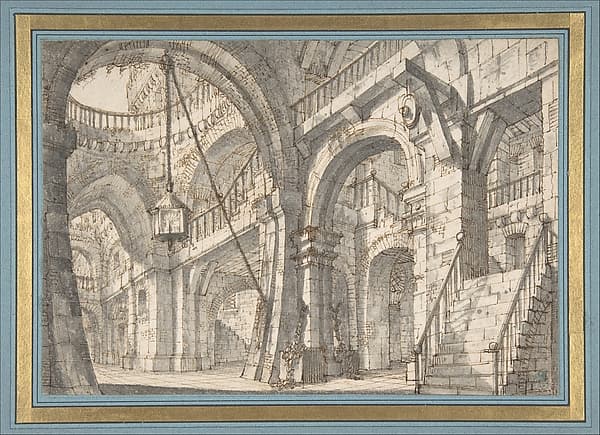
Perspective for a Stage Set with Stairs and Arches
Serafino Brizzi · 1684–1737

Stage Design, Portico and Stairs
Artist not stated in the record · early 19th century
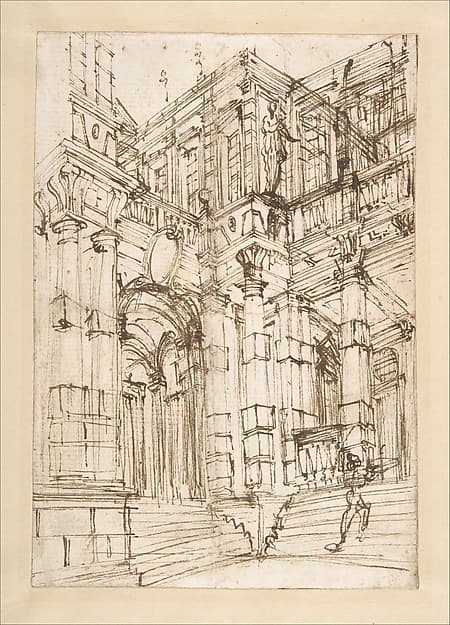
Sketch for a Stage Set: Foreshortened View of a Palace with a Figure on the Stairs
Antonio Galli Bibiena · 1700–74

Stage Design, Portico with Staircase
Artist not stated in the record · early 19th century
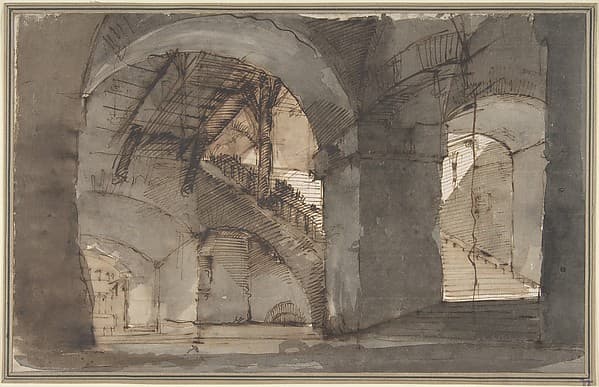
Design for a Stage Set: A Dungeon with High Vaults and a Staircase at Right
Domenico Fossati · 1743–84

Stage Design, A Porticoed Bridge
Angelo Toselli, ca. 1765? – 1826 · 1815–1830
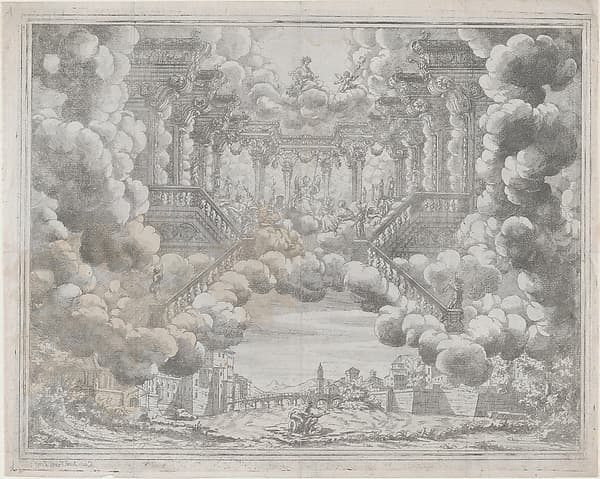
Stage design with allegorical figures on a staircase; from 'L'Eta Dell'Oro'
Carlo Antonio Forti · ca. 1690

Stage Design, Palace Court with Stairs
Artist not stated in the record · early 19th century
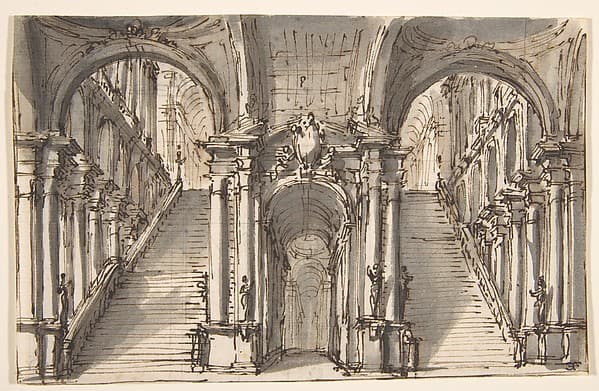
Design for a Stage Set: Double Stairway Pierced by an Arcade (recto); Slight Sketch (verso)
Giovanni Battista Natali III · 1698–1765

Stage Design, Group of Antique Buildings
Angelo Toselli, ca. 1765? – 1826 · early 19th century
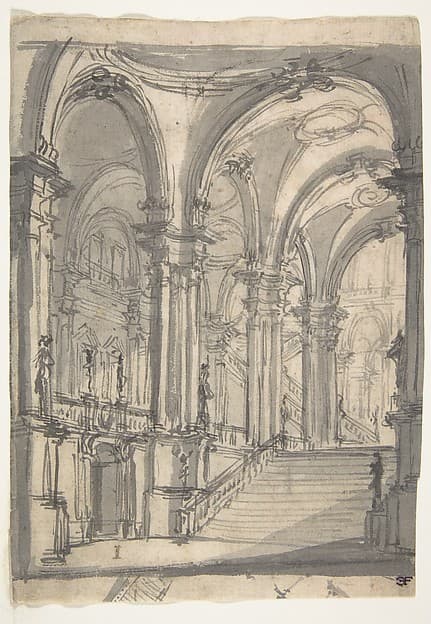
Design for a Stage Set: Groin-Vaulted Stairway Leading to a Gallery with Another Stairway to a Second Story at Left (recto); Slight Sketch Traced Through from the Recto and Reworked (verso)
Giovanni Battista Natali III · 1698–1765

Stage Design, Antique Building wiht Vaults
Angelo Toselli, ca. 1765? – 1826 · early 19th century
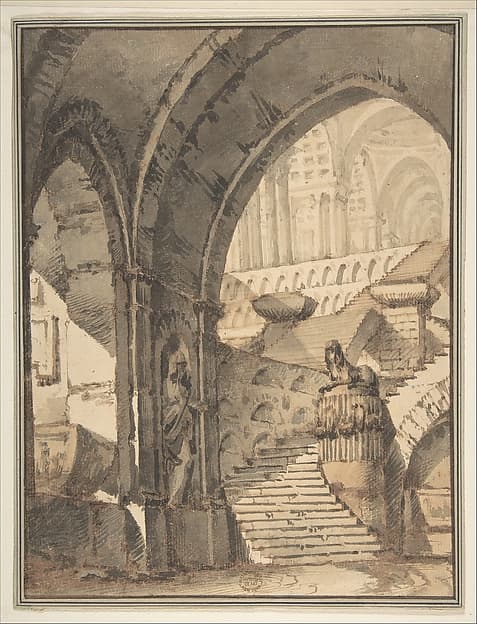
Framed Design for a Stage Set with Arches, Stairs, Human Figure and Sphinx Statue
Mauro Berti · 1792–1842

Stage Design, Group of Antique Buildings
Angelo Toselli, ca. 1765? – 1826 · early 19th century
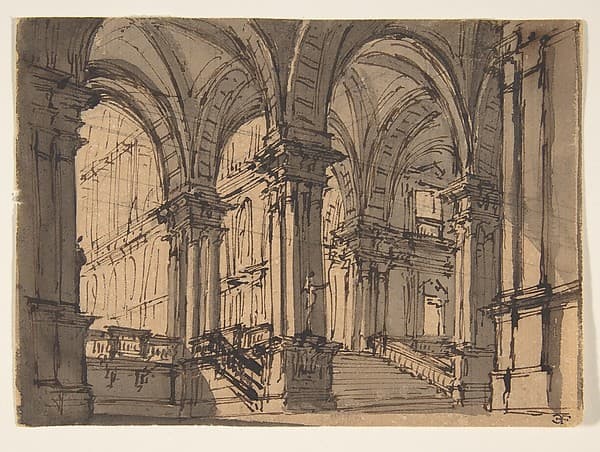
Design for Stage Set
Giovanni Battista Natali III · 1698–1765

Stage Design, View of Town from Palace
Artist not stated in the record · early 19th century
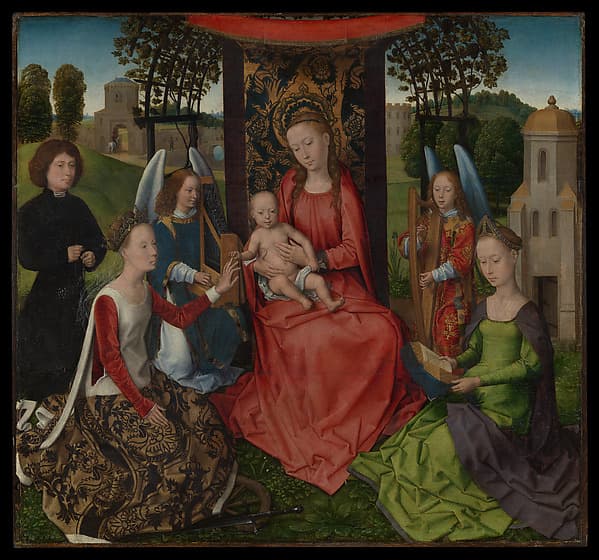
Virgin and Child with Saints Catherine of Alexandria and Barbara
Hans Memling · early 1480s

Stage Design; Palace Courtyard with Staircase
Artist not stated in the record · 18th century
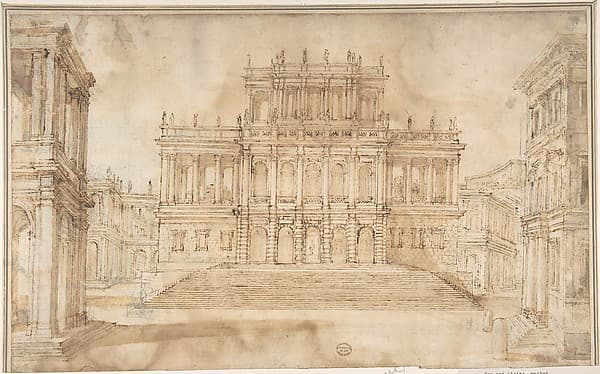
Design for Stage Set with Porticoed Palazzo
Artist not stated in the record · 18th century

Stage Design, Palace Interior
Artist not stated in the record · early 19th century
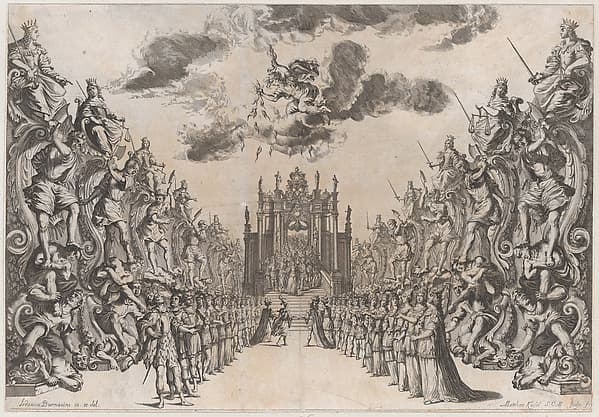
Magnificent Hall of Astrea; men and women gathered in the street to view a procession through a triumphal arch and down the stairs into the city; the procession is led by a female wearing a crown, she is followed by various figures in varying costume; set design from 'La Monarchia Latina Trionfante'
Mathäus Küsel · 1678

Stage Design, Apollo with Famous Men and Muses
Artist not stated in the record · early 19th century
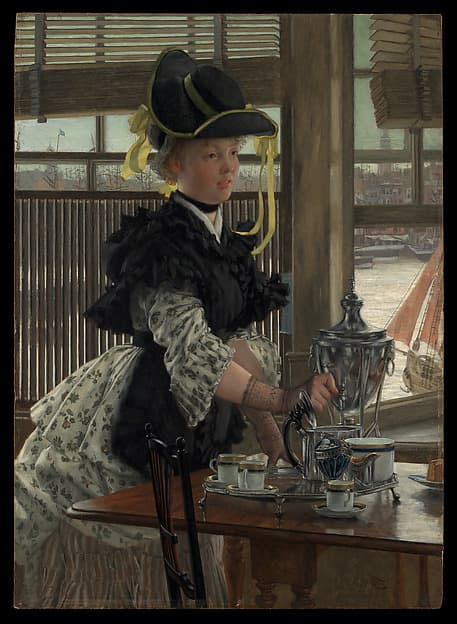
Tea
James Tissot · 1872

Stage Design, Building Adjoining Park Scenery
Artist not stated in the record · ca. 1750
Where these records came from.
Two archives are wired, and only two. Each one is filtered on its own rights field — never on a title match, and never on the presence of an image file.
- The Met Collection API (Open Access)Rights field:
isPublicDomain. 46 matched · 24 examined · 4 dropped by the rights gate. Kept only where isPublicDomain === true and a file URL was published.12 shown - Smithsonian Open Access API (api.si.edu)Rights field:
content.descriptiveNonRepeating.metadata_usage.access. 1990717 matched · 40 examined · 0 dropped by the rights gate. Kept only where metadata_usage.access === "CC0" and an image resource was published.12 shown
These figures describe the pass run at 2026-09-05 07:04 UTC, replayed here rather than repeated. A completed pass is kept for 24 hours and replayed for an identical search, which is what keeps repeated queries inside Smithsonian’s 30-requests-per-hour allowance. A pass in which either archive failed to answer is never kept — an outage must not be replayed as though it were a finding about the catalogue.
Wikimedia Commons and the Library of Congress are deliberately not wired. Wikimedia was confirmed, on a live query, to return CC-BY material inside the same result set as genuine public domain works, and filtering it safely has not been designed yet. loc.gov was blocked by bot detection during the source evaluation, so its rights vocabulary has never been observed — and nothing here is built on a field nobody has read.
An image file is a rights claim. It never travels without its field.