 Open
OpenTwo archives, queried live.
Every record below comes from The Met or Smithsonian Open Access and was filtered on that archive’s own rights field before it reached this page. 24 shown for “Standing Balarama or Nagaraja (Serpent King)” — 64 records examined, 24 dropped by the rights gate.
Archives queried 2026-08-30 04:39 UTC · fetched live for this request
isPublicDomain field is true for this object.metadata_usage.access reads CC0 — a waiver, not an expired term.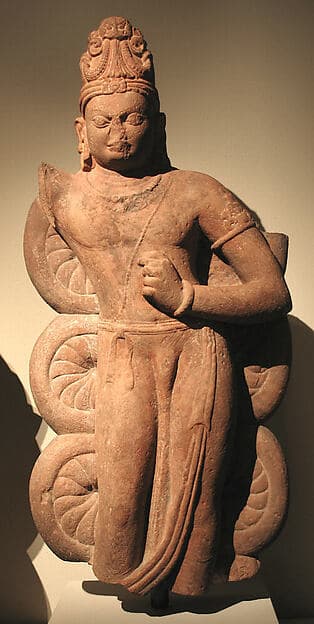
Standing Balarama or Nagaraja (Serpent King)
Artist not stated in the record · ca. mid-5th century

Jarasandha’s army advances toward Krishna and Balarama, folio from a Mahabharata
Attributed to Purkhu (active ca. 1780-ca. 1820) · ca. 1800-1815
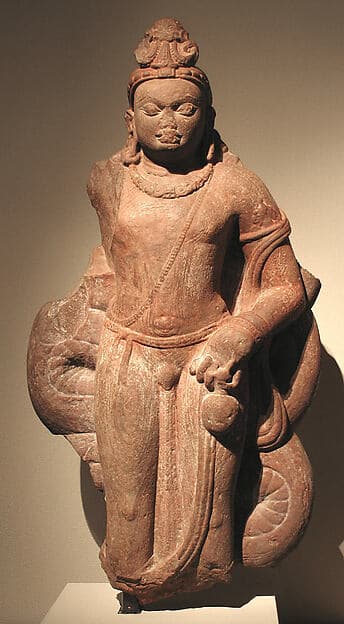
Standing Nagaraja (Serpent King)
Artist not stated in the record · ca. mid- 5th century

Sampler
Artist not stated in the record · 1838
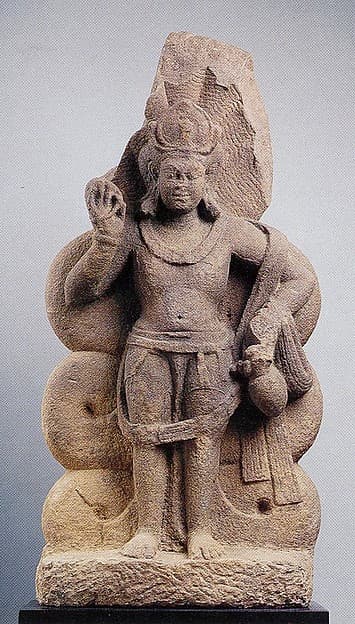
Nagaraja (Serpent King)
Artist not stated in the record · ca. second quarter of the 5th century

Four Drawings of the Myth of Apollo; Decoration of a Wall over a Mantel, Sala di Apollo, Palazzo Cavina, Faenza
Felice Giani, Italian, 1758–1823 · 1816
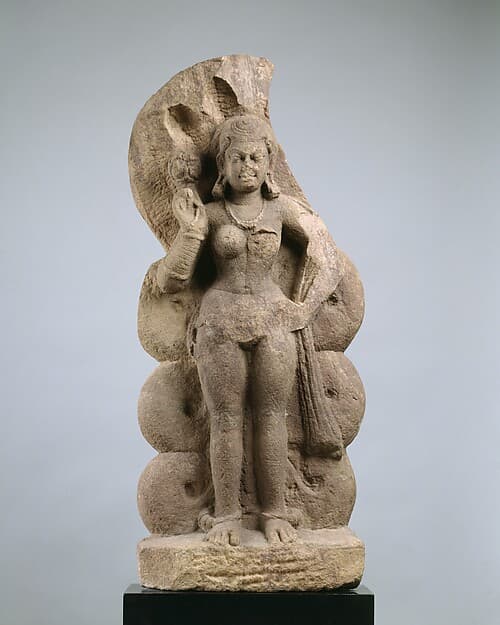
Nagini (Serpent Queen or Consort of Nagaraja)
Artist not stated in the record · second quarter of the 5th century

Fight between Elephants and Snakes
Jan van der Straet, called Stradanus, Flemish, 1523–1605 · 1596 or before
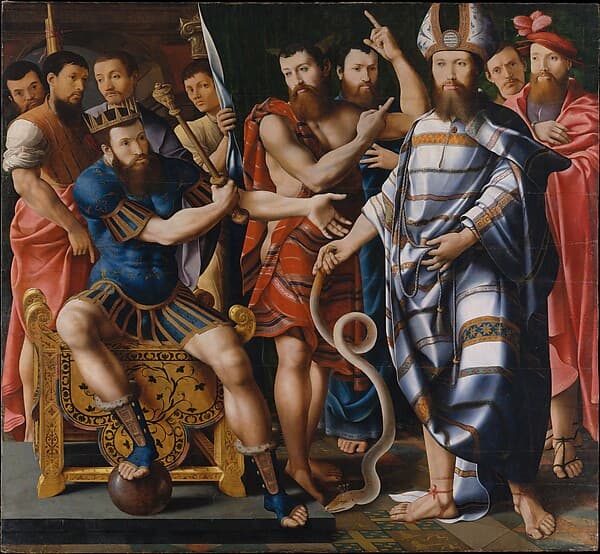
Moses and Aaron before Pharaoh: An Allegory of the Dinteville Family
Master of the Dinteville Allegory · 1537

Design for an Embroidered or Woven Corner Motif of the "Fabrique de St. Ruf"
Fabrique de Saint Ruf, Lyon, France · 1800–1825
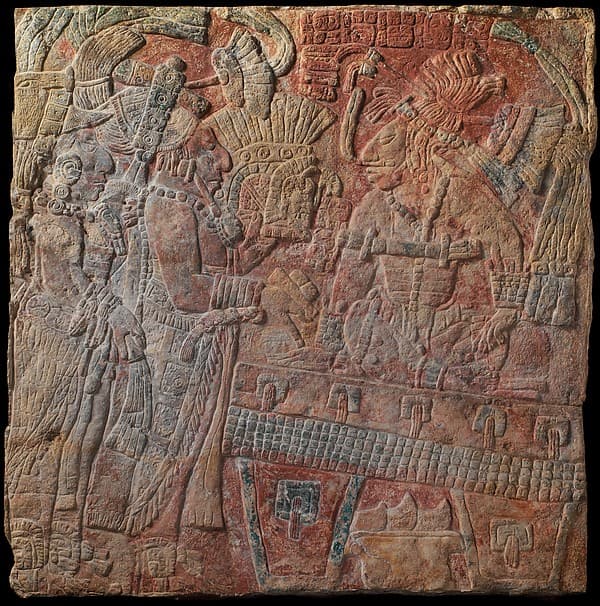
Relief with enthroned ruler
Chakalte' · 770 CE

"Tipsy Tavener"
Artist not stated in the record · late 18th–mid-19th century
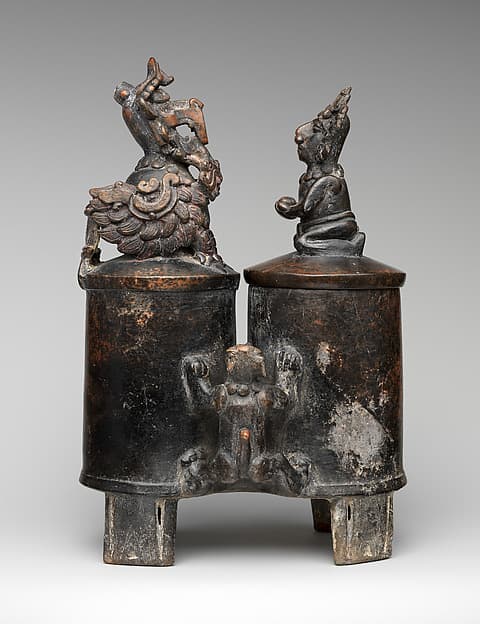
Whistling vessel
Maya artist(s) · 400–500 CE

Figures Attacked by Serpents
Artist not stated in the record · 1800–25
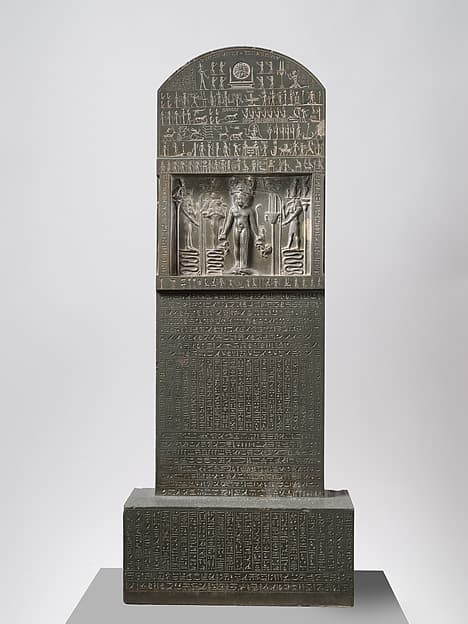
Magical Stela with Horus the Child
Artist not stated in the record · 360–343 BCE

The Infant Hercules Strangling the Serpent
Felice Giani, Italian, 1758–1823 · 1813
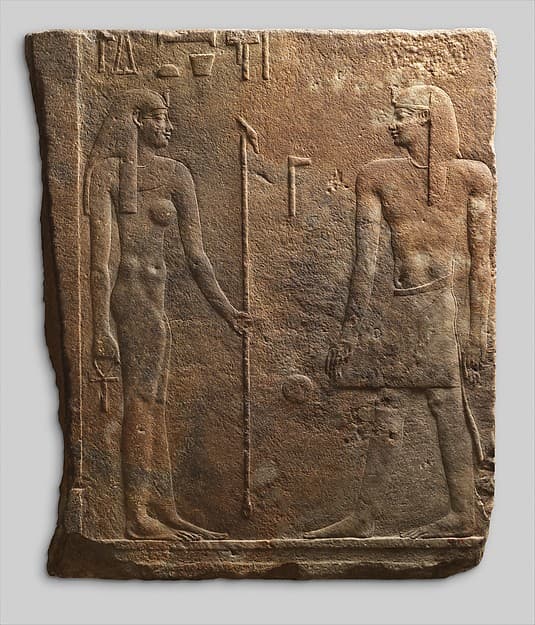
Ball-Playing Ceremony: the king before a goddess, possibly Hathor
Artist not stated in the record · 380–246 BCE

Fragment
Artist not stated in the record · 300–100 BC
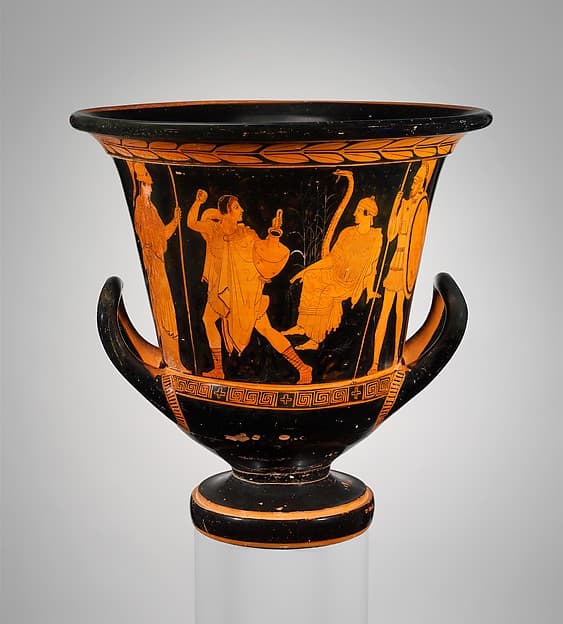
Terracotta calyx-krater (bowl for mixing wine and water)
Spreckles Painter · ca. 450 BCE

"Le Villageois et le Serpente" from La Fontaine's Fables
Artist not stated in the record · ca. 1770–1800
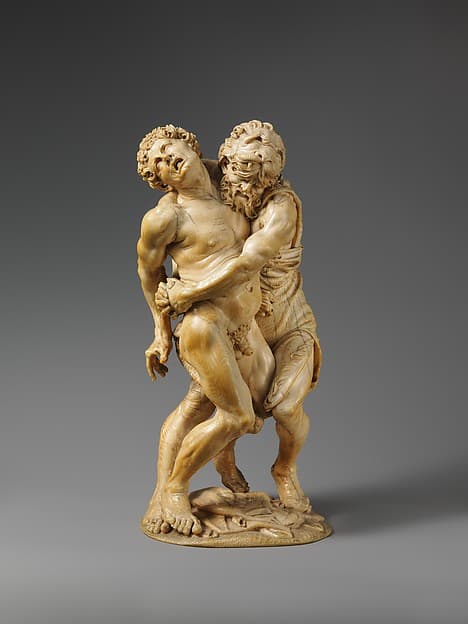
Hercules and Achelous
Master of the Martyrdom of St. Sebastian · probably mid-17th century

Fragment
Artist not stated in the record · 200 BC–200 AD
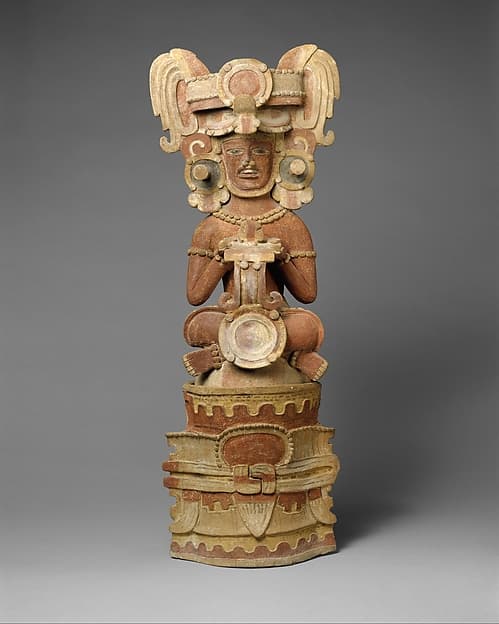
Censer with seated king
Maya artist(s) · 300–400 CE

Assumption of Mary
Artist not stated in the record · 1670–1700
Where these records came from.
Two archives are wired, and only two. Each one is filtered on its own rights field — never on a title match, and never on the presence of an image file.
- The Met Collection API (Open Access)Rights field:
isPublicDomain. 38 matched · 24 examined · 0 dropped by the rights gate. Kept only where isPublicDomain === true and a file URL was published.12 shown - Smithsonian Open Access API (api.si.edu)Rights field:
content.descriptiveNonRepeating.metadata_usage.access. 314309 matched · 40 examined · 24 dropped by the rights gate. Kept only where metadata_usage.access === "CC0" and an image resource was published.12 shown
These figures describe the pass run at 2026-08-30 04:39 UTC, during this request. A completed pass is kept for 24 hours and replayed for an identical search, which is what keeps repeated queries inside Smithsonian’s 30-requests-per-hour allowance. A pass in which either archive failed to answer is never kept — an outage must not be replayed as though it were a finding about the catalogue.
Wikimedia Commons and the Library of Congress are deliberately not wired. Wikimedia was confirmed, on a live query, to return CC-BY material inside the same result set as genuine public domain works, and filtering it safely has not been designed yet. loc.gov was blocked by bot detection during the source evaluation, so its rights vocabulary has never been observed — and nothing here is built on a field nobody has read.
An image file is a rights claim. It never travels without its field.