 Open
OpenTwo archives, queried live.
Every record below comes from The Met or Smithsonian Open Access and was filtered on that archive’s own rights field before it reached this page. 14 shown for “Time Marker” — 64 records examined, 50 dropped by the rights gate.
Archives queried 2026-09-09 13:46 UTC · fetched live for this request
isPublicDomain field is true for this object.metadata_usage.access reads CC0 — a waiver, not an expired term.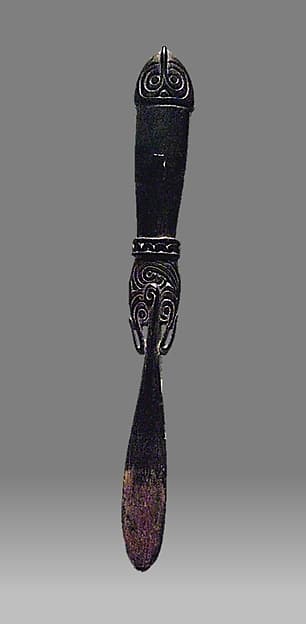
Time Marker
Artist not stated in the record · late 19th century

Envelope with written note associated with pink satin ensemble
Francis William, American · late 20th century
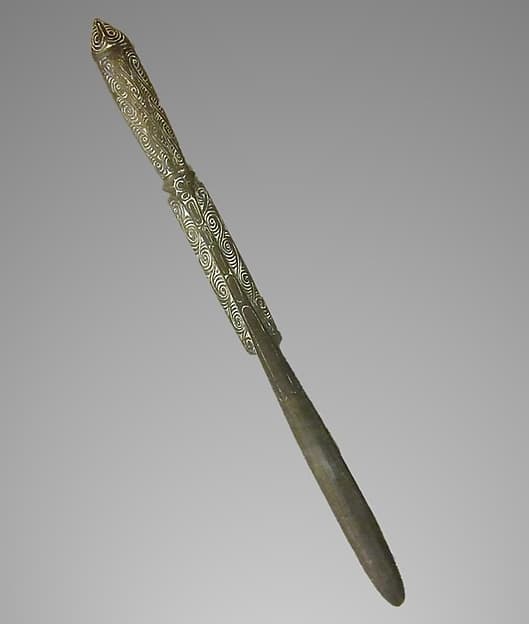
Time Marker
Artist not stated in the record · late 19th century

Wire frame, spray holders
Artist not stated in the record · ca. 1860-1940
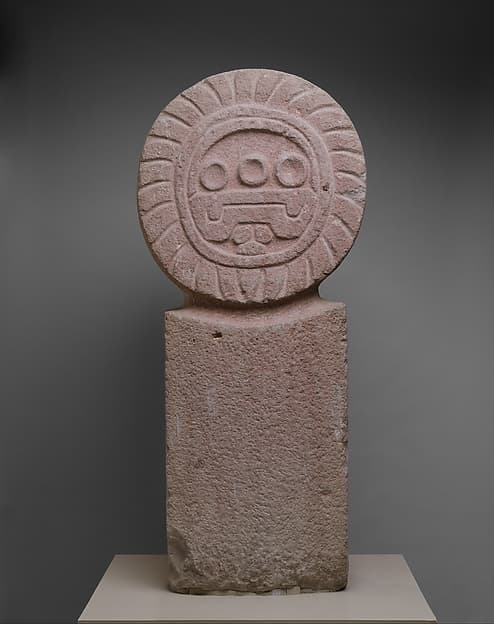
Stone marker
Teotihuacan artist(s) · 350–450 CE

Wire frame, bouquet support
Artist not stated in the record · ca. 1860-1940
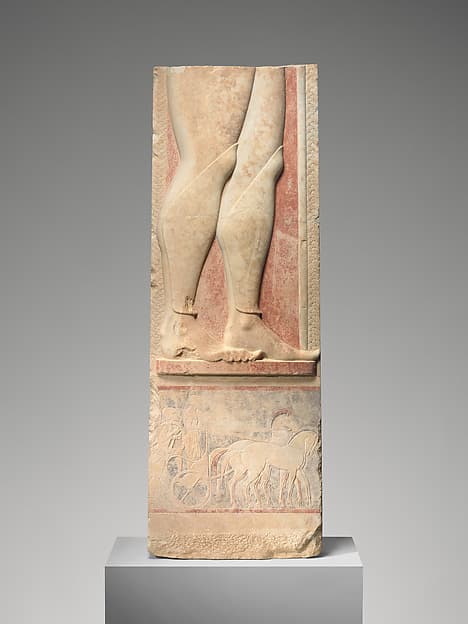
Fragment of the marble stele (grave marker) of a hoplite (foot soldier)
Artist not stated in the record · ca. 525–515 BCE

Sleeping Children
William Henry Rinehart, born Union Bridge, MD 1825-died Rome, Italy 1874 · modeled 1859, carved 1869
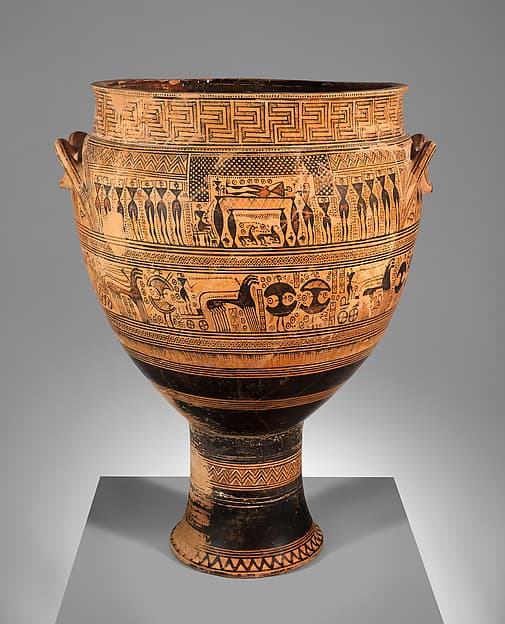
Terracotta krater
Hirschfeld Workshop · ca. 750–735 BCE

Orange copic sketch marker used by architect Michael Marshall
Too Corporation, Japanese, founded 1919 · ca. 2013
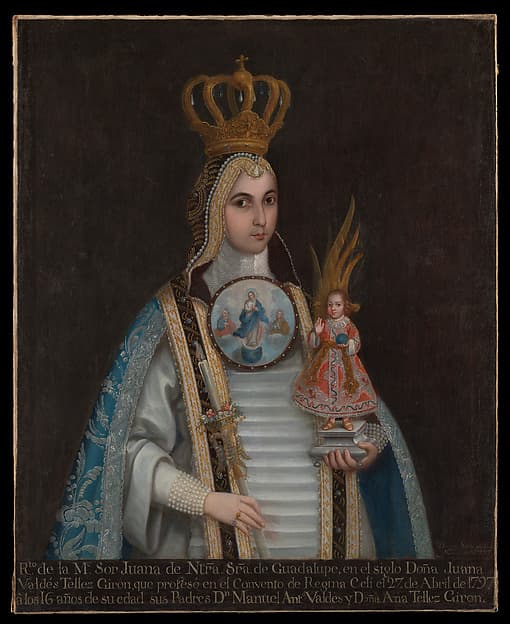
Portrait of Sor Juana de Nuestra Señora de Guadalupe
Domingo Ortiz · 1797
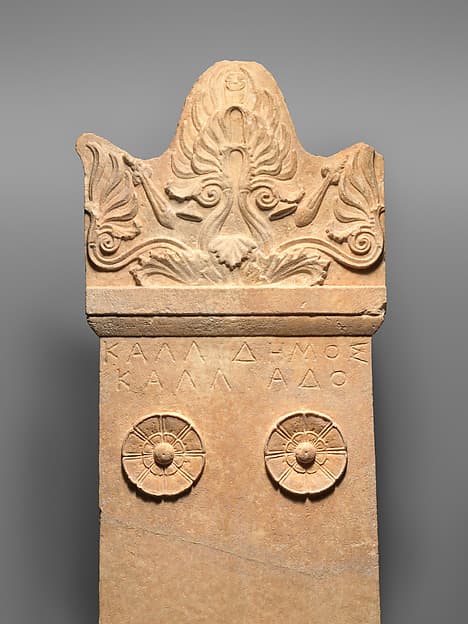
Upper part of the marble stele (grave marker) of Kallidemos
Artist not stated in the record · ca. 350–325 BCE
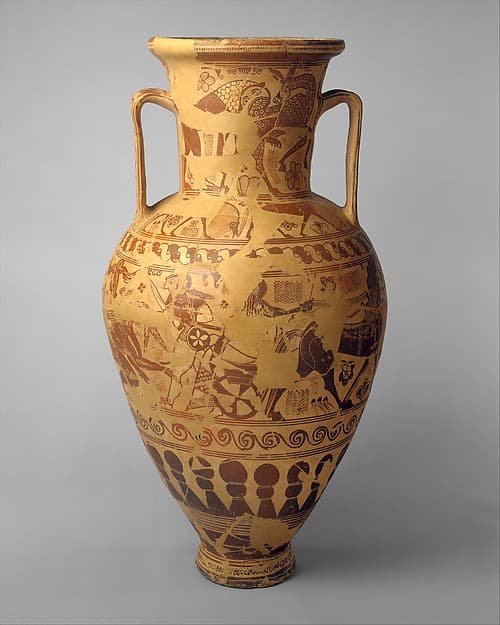
Terracotta neck-amphora (storage jar)
New York Nessos Painter · second quarter of the 7th century BCE
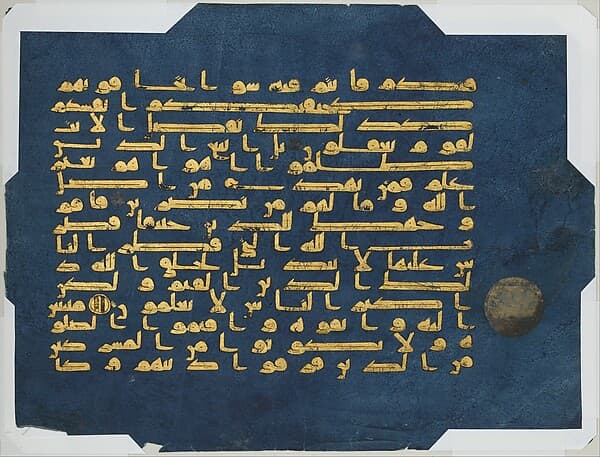
Folio from the "Blue Qur'an"
Artist not stated in the record · second half 9th–mid-10th century
Where these records came from.
Two archives are wired, and only two. Each one is filtered on its own rights field — never on a title match, and never on the presence of an image file.
- The Met Collection API (Open Access)Rights field:
isPublicDomain. 244 matched · 24 examined · 15 dropped by the rights gate. Kept only where isPublicDomain === true and a file URL was published.9 shown - Smithsonian Open Access API (api.si.edu)Rights field:
content.descriptiveNonRepeating.metadata_usage.access. 24889 matched · 40 examined · 35 dropped by the rights gate. Kept only where metadata_usage.access === "CC0" and an image resource was published.5 shown
These figures describe the pass run at 2026-09-09 13:46 UTC, during this request. A completed pass is kept for 24 hours and replayed for an identical search, which is what keeps repeated queries inside Smithsonian’s 30-requests-per-hour allowance. A pass in which either archive failed to answer is never kept — an outage must not be replayed as though it were a finding about the catalogue.
Wikimedia Commons and the Library of Congress are deliberately not wired. Wikimedia was confirmed, on a live query, to return CC-BY material inside the same result set as genuine public domain works, and filtering it safely has not been designed yet. loc.gov was blocked by bot detection during the source evaluation, so its rights vocabulary has never been observed — and nothing here is built on a field nobody has read.
An image file is a rights claim. It never travels without its field.