 Open
OpenTwo archives, queried live.
Every record below comes from The Met or Smithsonian Open Access and was filtered on that archive’s own rights field before it reached this page. 17 shown for “Two farmers ploughing and harrowing a rice field” — 46 records examined, 27 dropped by the rights gate.
Archives queried 2026-08-29 15:20 UTC · fetched live for this request
isPublicDomain field is true for this object.metadata_usage.access reads CC0 — a waiver, not an expired term.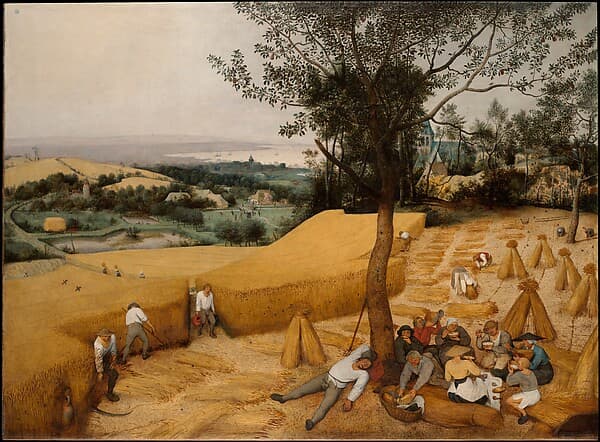
The Harvesters
Pieter Bruegel the Elder · 1565

Two farmers ploughing and harrowing a rice field
Artist not stated in the record · 1615-1868
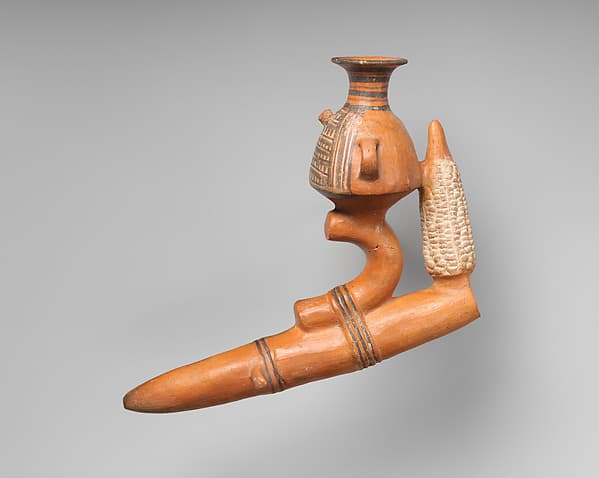
Paccha (ritual vessel)
Inca artist(s) · 1400–1535 CE

Ruins near Burak, Syria
Frederic Edwin Church, American, 1826–1900 · April 27, 1868
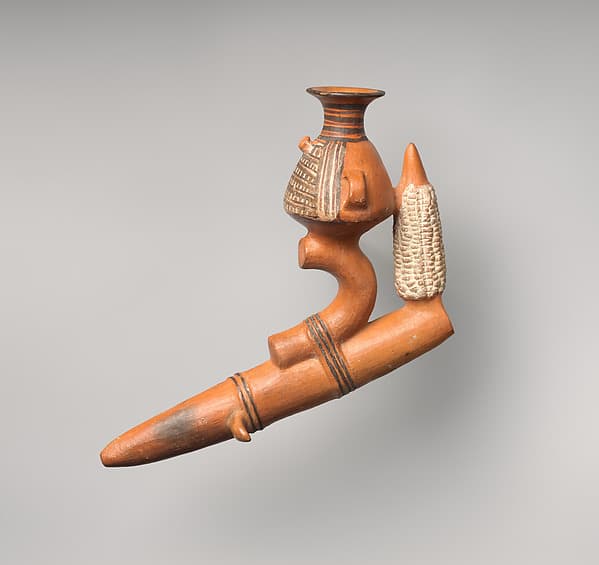
Paccha (ritual vessel)
Inca artist(s) · 1400–1535 CE

Plough, Harrow and Feed-box, St. Valery
Miner Kilbourne Kellogg, born Manlius Square, NY 1814-died Toledo, OH 1889 · 1862
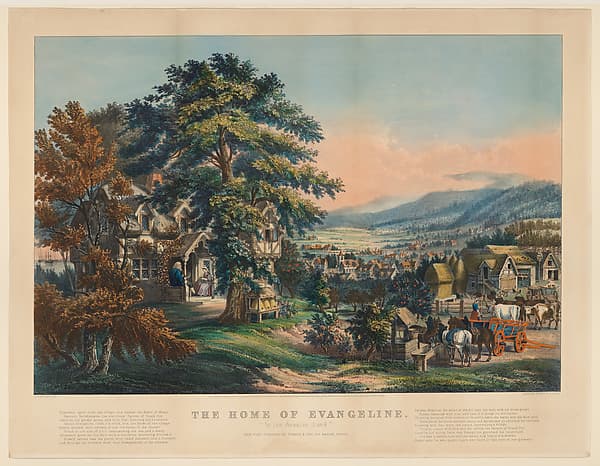
The Home of Evangeline – "In the Acadian Land"
Frances Flora Bond Palmer · 1864

La Maison de Mont Loüis au R. Pere de la Chaise, prés de Ménilmontant (Upper Plate)
Nicolas Langlois, French, 1640 - 1703 · late 17th century
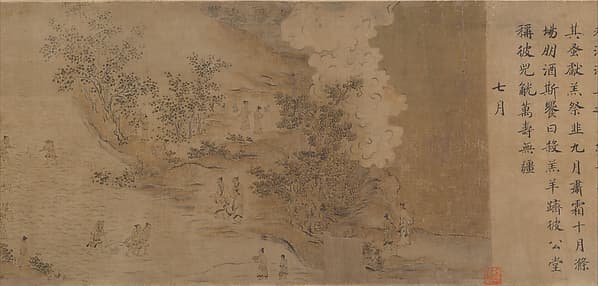
Odes of the State of Bin
Ma Hezhi · mid-12th century

Hara, Fuji at Daybreak, in The Fifty-Three Stations of the Tokaido Road (Tokaido Gojusan Tsugi-no Uchi)
Ando Hiroshige, Japanese, 1797–1858 · ca. 1834

L’AGRICULTURE
Artist not stated in the record · mid- 18th–late 18th century

Woodblock from Tokaido Gojusan Tsugi-na Uchi (Fifty-Three Stations on the Tokaido)
Ando Hiroshige, Japanese, 1797–1858 · 19th century

Romulus and Remus: Decorations for Reception Room, Aldini Villa, Montmorency
Felice Giani, Italian, 1758–1823 · 1813

Letter written by Mrs. Marion Potter to Armand De Rosset and John Potts Brown
Artist not stated in the record · September 7, 1857

Broadside for an estate sale of "229 Rice Field Negroes"
Artist not stated in the record · 1859

Christ in Limbo (The Harrowing of Hell)
Albrecht Dürer, German, 1471–1528 · 1510

Panel
Artist not stated in the record · late 18th–early 19th century
Where these records came from.
Two archives are wired, and only two. Each one is filtered on its own rights field — never on a title match, and never on the presence of an image file.
- The Met Collection API (Open Access)Rights field:
isPublicDomain. 6 matched · 6 examined · 1 dropped by the rights gate. Kept only where isPublicDomain === true and a file URL was published.5 shown - Smithsonian Open Access API (api.si.edu)Rights field:
content.descriptiveNonRepeating.metadata_usage.access. 3559838 matched · 40 examined · 26 dropped by the rights gate. Kept only where metadata_usage.access === "CC0" and an image resource was published.12 shown
These figures describe the pass run at 2026-08-29 15:20 UTC, during this request. A completed pass is kept for 24 hours and replayed for an identical search, which is what keeps repeated queries inside Smithsonian’s 30-requests-per-hour allowance. A pass in which either archive failed to answer is never kept — an outage must not be replayed as though it were a finding about the catalogue.
Wikimedia Commons and the Library of Congress are deliberately not wired. Wikimedia was confirmed, on a live query, to return CC-BY material inside the same result set as genuine public domain works, and filtering it safely has not been designed yet. loc.gov was blocked by bot detection during the source evaluation, so its rights vocabulary has never been observed — and nothing here is built on a field nobody has read.
An image file is a rights claim. It never travels without its field.