 Open
OpenTwo archives, queried live.
Every record below comes from The Met or Smithsonian Open Access and was filtered on that archive’s own rights field before it reached this page. 18 shown for “Vishnu Rescuing Gajendra, the Lord of the Elephants” — 46 records examined, 23 dropped by the rights gate.
Archives queried 2026-09-04 14:06 UTC · fetched live for this request
isPublicDomain field is true for this object.metadata_usage.access reads CC0 — a waiver, not an expired term.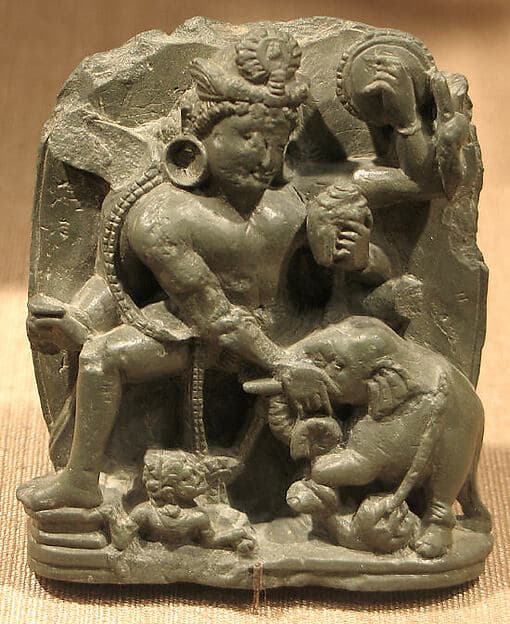
Vishnu Rescuing Gajendra, the Lord of the Elephants
Artist not stated in the record · 8th–9th century

Maharana Raj Singh I observing an elephant fight
Artist not stated in the record · ca. 1670-1675
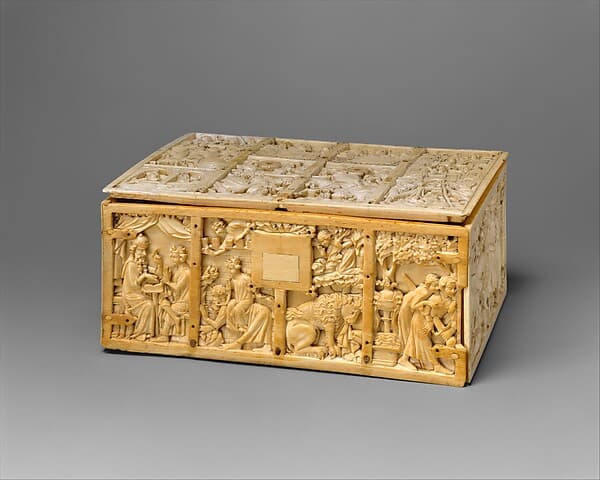
Box with Romance Scenes
Artist not stated in the record · ca. 1310–30

Elephants Helding Each Other out of a Trap, plate 1 from the Venationes Ferarum, Avium, Piscium series
Jan van der Straet, called Stradanus, Flemish, 1523–1605 · 1596 or after
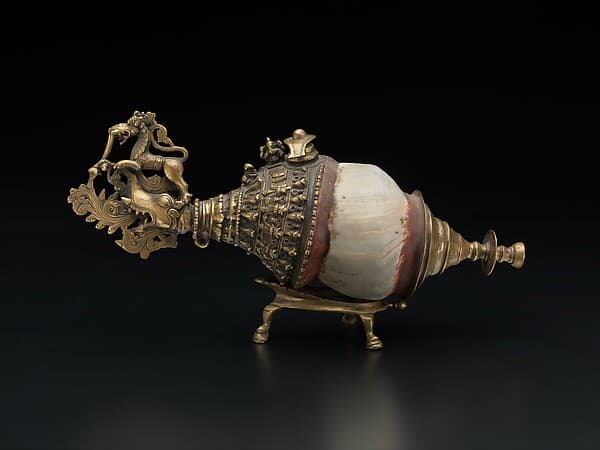
Śankh
Artist not stated in the record · 19th century

Bangali Ragini
Artist not stated in the record · ca. 1630
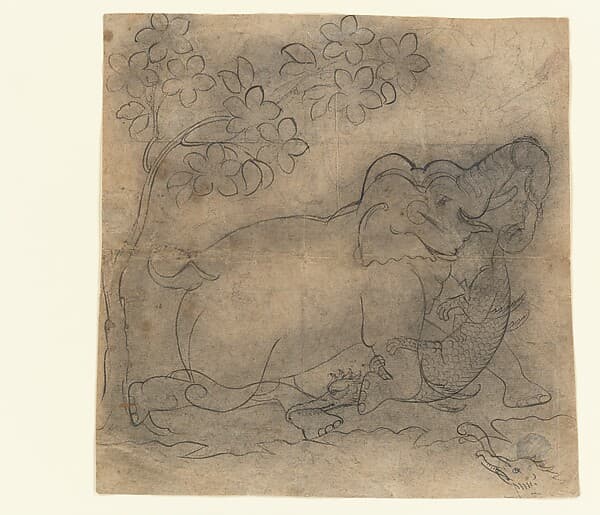
The Elephant King Wrestles a Crocodile: Illustration from a Gajendramoksha Series
Artist not stated in the record · late 19th century

Devi with Krishna and Vishnu in a Palace
Artist not stated in the record · ca. 1645-1655
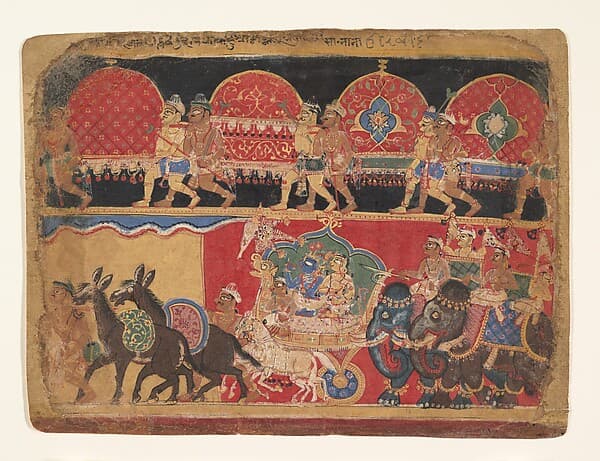
Krishna and the Kshatriya Maidens Proceed to Dvaraka: page from a Bhagavata Purana series
Sa Nana · ca. 1520–30

Lakshmi massaging the foot of Vishnu
Composition attributed to Nainsukh (active ca. 1710-1778) · ca. 1765-1770
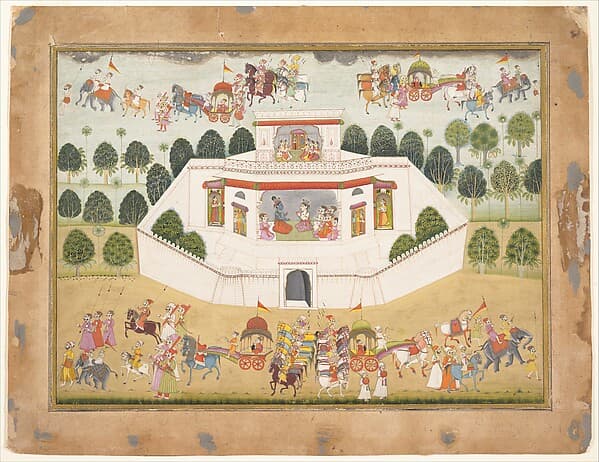
Krishna and Balarama within a Walled Palace: Page from a Dispersed Bhagavata Purana (Ancient Stories of Lord Vishnu)
Artist not stated in the record · ca. 1700

The poet Sundar Das before Emperor Shah Jahan, folio from a Sundar Shringar
Attributed to Nainsukh (active ca. 1710-1778) · ca. 1750-1760

Fylfot motif
Artist not stated in the record · mid 18th - early 19th century
![Cavemen Chasing Elephants [above]; The King of Persia Hunting [below], by Jan van der Straet, called Stradanus, Flemish, 1523–1605](/_next/image?url=https%3A%2F%2Fids.si.edu%2Fids%2Fdownload%3Fid%3DCHSDM-8156_03-000003.jpg&w=3840&q=75)
Cavemen Chasing Elephants [above]; The King of Persia Hunting [below]
Jan van der Straet, called Stradanus, Flemish, 1523–1605 · 1596 or before

Panel
Artist not stated in the record · 19th century

Head cloth (kain kepala)
Artist not stated in the record · early 19th century

Cavemen Chasing Elephants
Jan van der Straet, called Stradanus, Flemish, 1523–1605 · 1596 or before

Stevengraph, "Called to the Rescue. Heroism at Sea"
Thomas Stevens, English, 1828–1888 · 1885–1895
Where these records came from.
Two archives are wired, and only two. Each one is filtered on its own rights field — never on a title match, and never on the presence of an image file.
- The Met Collection API (Open Access)Rights field:
isPublicDomain. 6 matched · 6 examined · 0 dropped by the rights gate. Kept only where isPublicDomain === true and a file URL was published.6 shown - Smithsonian Open Access API (api.si.edu)Rights field:
content.descriptiveNonRepeating.metadata_usage.access. 2984333 matched · 40 examined · 23 dropped by the rights gate. Kept only where metadata_usage.access === "CC0" and an image resource was published.12 shown
These figures describe the pass run at 2026-09-04 14:06 UTC, during this request. A completed pass is kept for 24 hours and replayed for an identical search, which is what keeps repeated queries inside Smithsonian’s 30-requests-per-hour allowance. A pass in which either archive failed to answer is never kept — an outage must not be replayed as though it were a finding about the catalogue.
Wikimedia Commons and the Library of Congress are deliberately not wired. Wikimedia was confirmed, on a live query, to return CC-BY material inside the same result set as genuine public domain works, and filtering it safely has not been designed yet. loc.gov was blocked by bot detection during the source evaluation, so its rights vocabulary has never been observed — and nothing here is built on a field nobody has read.
An image file is a rights claim. It never travels without its field.