 Open
OpenTwo archives, queried live.
Every record below comes from The Met or Smithsonian Open Access and was filtered on that archive’s own rights field before it reached this page. 24 shown for “Votive tablet with Buddha” — 64 records examined, 27 dropped by the rights gate.
Archives queried 2026-08-29 06:13 UTC · fetched live for this request
isPublicDomain field is true for this object.metadata_usage.access reads CC0 — a waiver, not an expired term.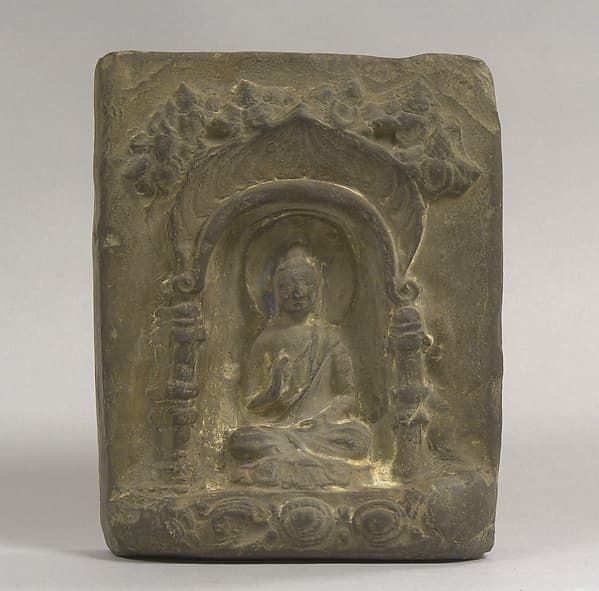
Votive tablet with Buddha
Artist not stated in the record · dated 526 (2nd year of Xiaochang reign)

Buddhist tablet
Artist not stated in the record · 535-557
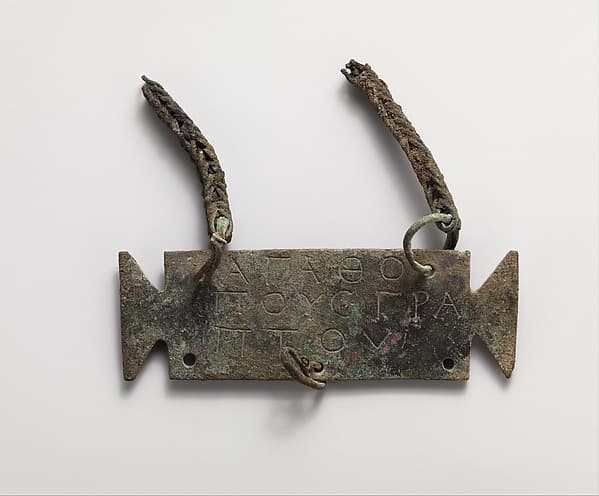
Bronze votive tablet
Artist not stated in the record · ca. 2nd century CE

Standing Buddha with bodhisattvas (on one side) and Seated bodhisattva (on other side)
Artist not stated in the record · possibly 581-618
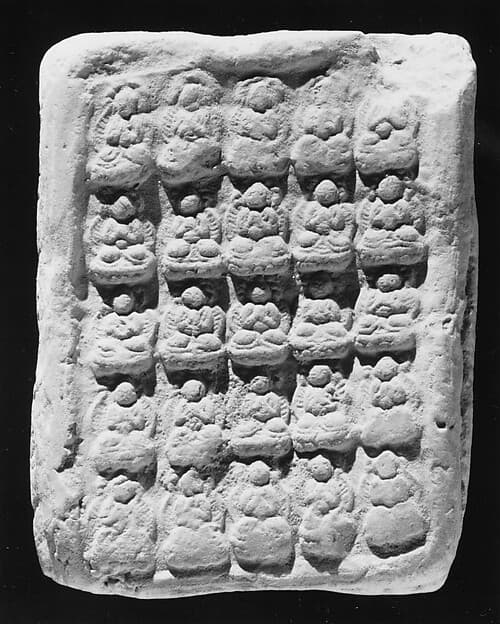
Votive Tablet with Twenty-Five Buddhas
Artist not stated in the record

Buddhist tablet: the Buddha Gautama Sakyamuni (Shih-chia) and attendant divinities
Artist not stated in the record · 386-535
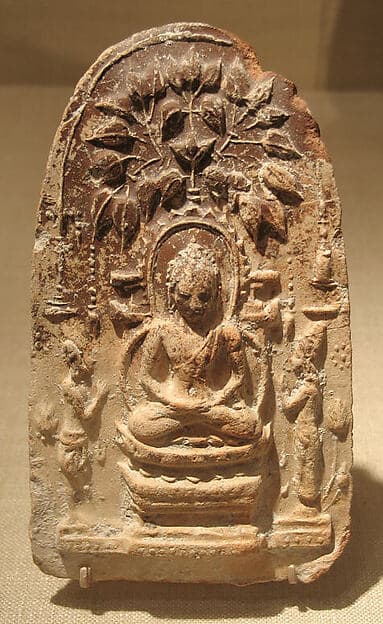
Buddha Seated under the Bodhi Tree
Artist not stated in the record · 7th–9th century

Buddhist tablet: seated central figure flanked by monk and Bodhisattva on either hand; rectangular base, and figure of Buddha in sunken relief on reverse
Artist not stated in the record · 550-577
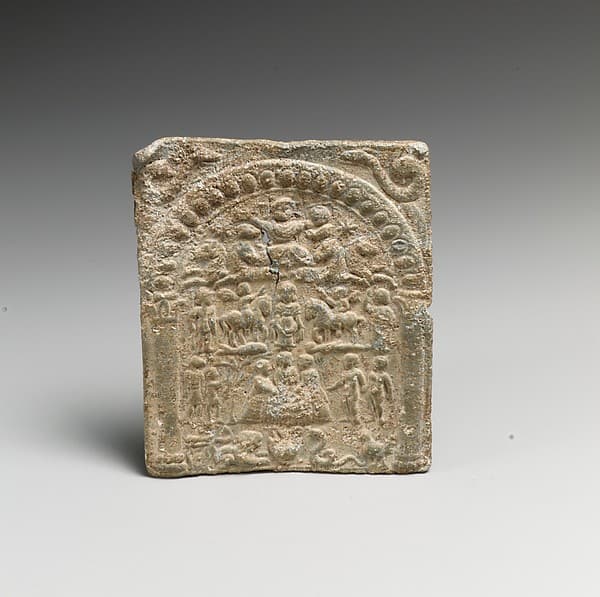
Lead votive plaque
Artist not stated in the record · probably 3rd century CE

Votive candle stand with base from Saint Augustine Catholic Church
Artist not stated in the record · 20th century
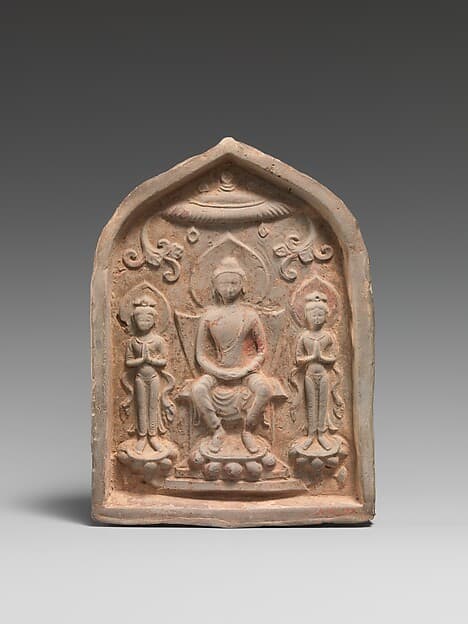
Votive Tablet with Buddhist Triad
Artist not stated in the record · 7th century

The Buddha Gautama Sakyamni (Shih-chia) and attendant divinities
Artist not stated in the record · Dated 534 CE
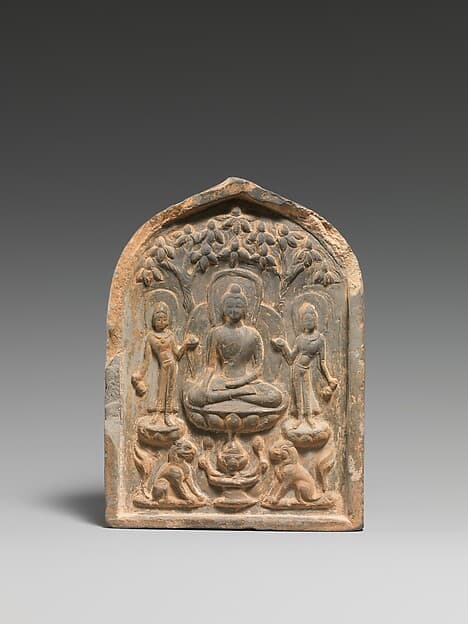
Votive tablet with Buddhist triad
Artist not stated in the record · 7th century

Ornament Design, Roman Votive, Panel with Dionysian Pattern of Grapes and Pinecones, and Eagle atop a Roman Standard.
Michel Angelo Pergolesi, Italian, active ca. 1760–1801 · 1776
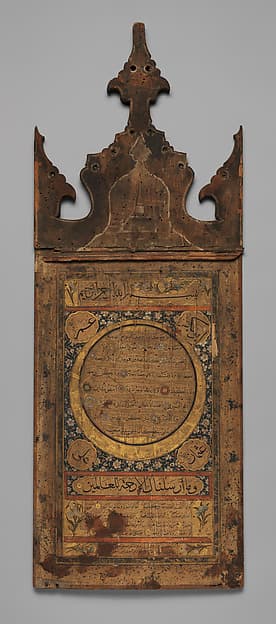
Hilya (Votive Tablet)
Artist not stated in the record · 18th century

shrine, votive with figure of four-armed Ganesha
Artist not stated in the record · 12th century
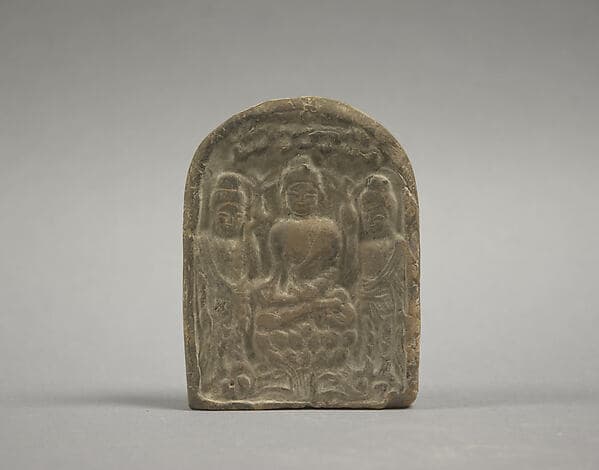
Votive Tablet
Artist not stated in the record

Stele with Bodhisattva Maitreya (Mile); reverse with Buddha Vairochana (Pilushena)
Artist not stated in the record · 557-581
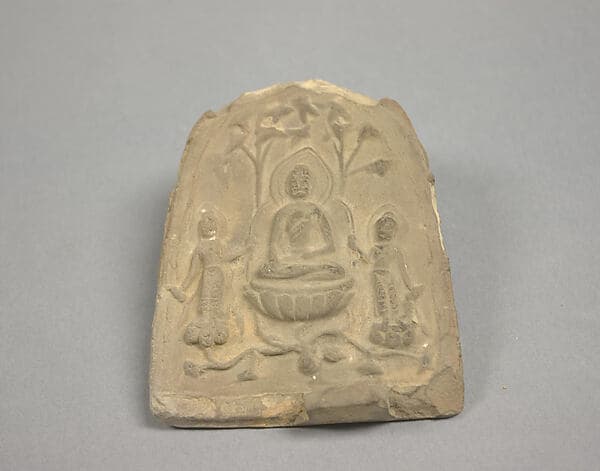
Votive Tablet
Artist not stated in the record

A Votive Image of a Boy Presented by his Parents to St. Nicholas of Bari
Francesco Saverio Mergolo, Italian, 1746–1786 · late 18th century
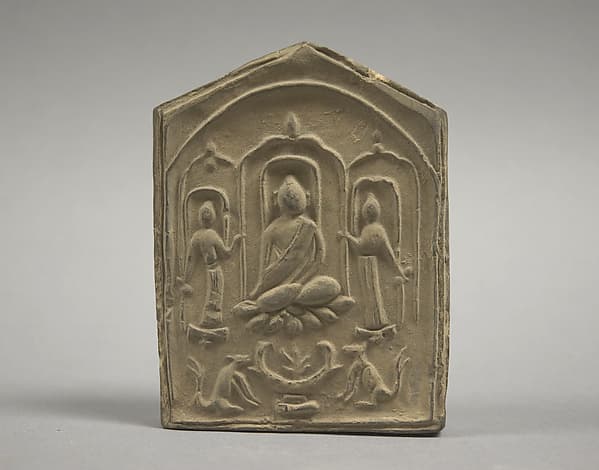
Votive Tablet
Artist not stated in the record

Sketches for a tablet
Carlo Marchionni, Italian, 1702–1786 · ca. 1750
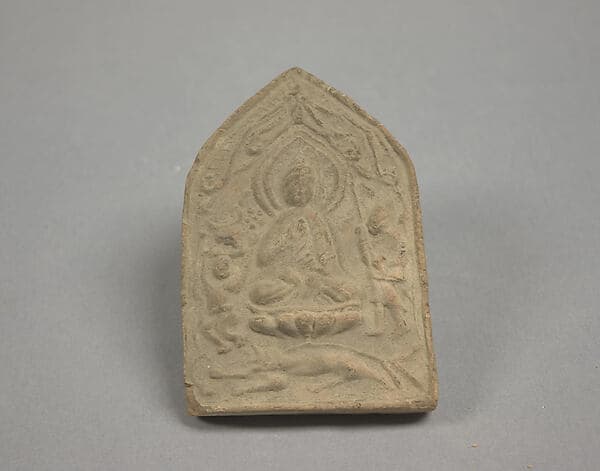
Votive tablet
Artist not stated in the record · 6th century

Buddhist stele
Artist not stated in the record · dated 511
Where these records came from.
Two archives are wired, and only two. Each one is filtered on its own rights field — never on a title match, and never on the presence of an image file.
- The Met Collection API (Open Access)Rights field:
isPublicDomain. 57 matched · 24 examined · 0 dropped by the rights gate. Kept only where isPublicDomain === true and a file URL was published.12 shown - Smithsonian Open Access API (api.si.edu)Rights field:
content.descriptiveNonRepeating.metadata_usage.access. 250996 matched · 40 examined · 27 dropped by the rights gate. Kept only where metadata_usage.access === "CC0" and an image resource was published.12 shown
These figures describe the pass run at 2026-08-29 06:13 UTC, during this request. A completed pass is kept for 24 hours and replayed for an identical search, which is what keeps repeated queries inside Smithsonian’s 30-requests-per-hour allowance. A pass in which either archive failed to answer is never kept — an outage must not be replayed as though it were a finding about the catalogue.
Wikimedia Commons and the Library of Congress are deliberately not wired. Wikimedia was confirmed, on a live query, to return CC-BY material inside the same result set as genuine public domain works, and filtering it safely has not been designed yet. loc.gov was blocked by bot detection during the source evaluation, so its rights vocabulary has never been observed — and nothing here is built on a field nobody has read.
An image file is a rights claim. It never travels without its field.