 Open
OpenTwo archives, queried live.
Every record below comes from The Met or Smithsonian Open Access and was filtered on that archive’s own rights field before it reached this page. 24 shown for “W. H. Edge” — 64 records examined, 30 dropped by the rights gate.
Archives queried 2026-09-03 13:53 UTC · fetched live for this request
isPublicDomain field is true for this object.metadata_usage.access reads CC0 — a waiver, not an expired term.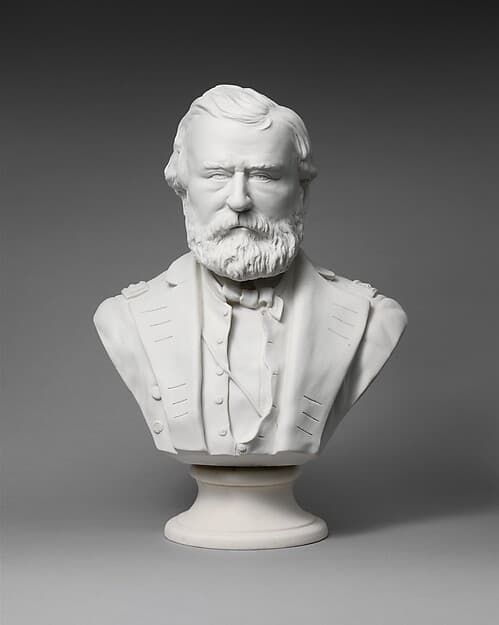
General Grant
W. H. Edge · ca. 1876

Sewing sample
Artist not stated in the record · late 19th century
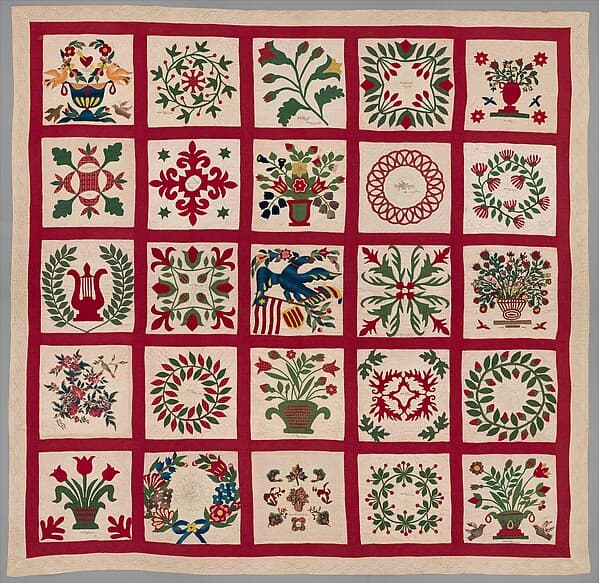
Quilt, Album pattern
Brown and Turner families · begun 1846

Purple hat with rhinestone star
Unidentified · 1950s - 1960s
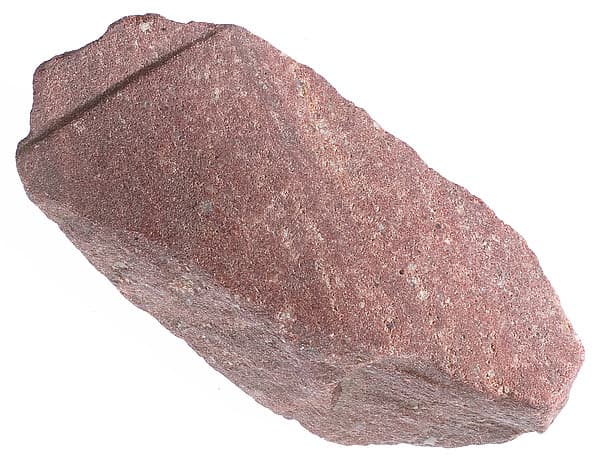
Flesh (?) and garment edge (?)
Artist not stated in the record · ca. 1347–1330 BCE

Blue cloche with detached brim
Unidentified · ca. 1960
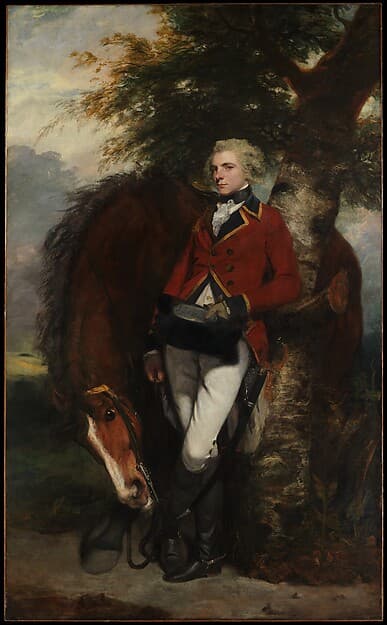
Captain George K. H. Coussmaker (1759–1801)
Sir Joshua Reynolds · 1782

Eyeglasses from Mae's Millinery Shop
Artist not stated in the record · 1941-1994
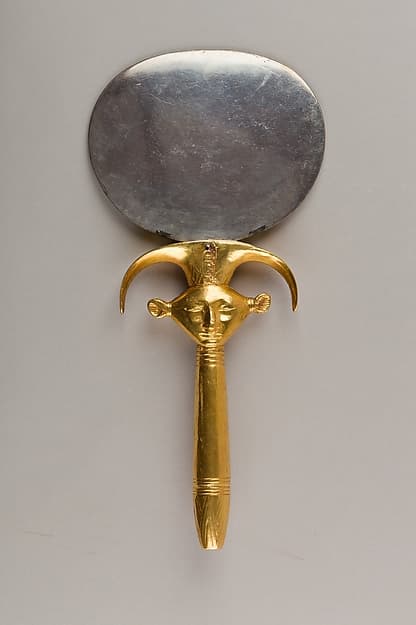
Mirror with Handle in the Form of a Hathor Emblem
Artist not stated in the record · ca. 1479–1425 BCE

Costume worn by Nona Hendryx of Labelle
Larry LeGaspi, American, 1950 - 2001 · 1975

Fragment of the Upper Edge of Siptah's Canopic Chest
Artist not stated in the record · ca. 1208–1202 BCE

Photographic print of an unidentified woman
Artist not stated in the record · 20th century
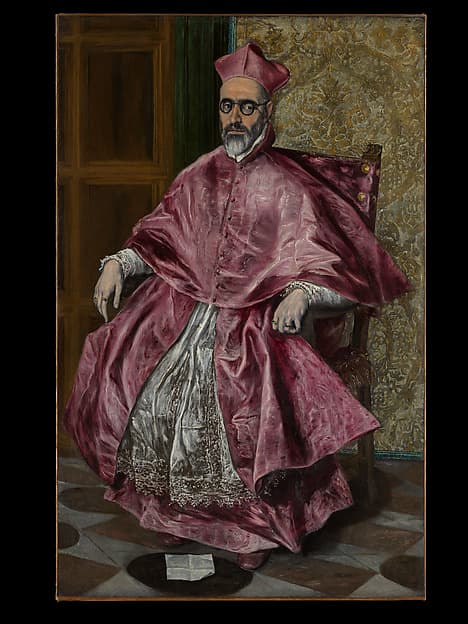
Cardinal Fernando Niño de Guevara (1541–1609)
El Greco (Domenikos Theotokopoulos) · ca. 1600

Tureen with lid and stand
Artist not stated in the record · ca. 1760
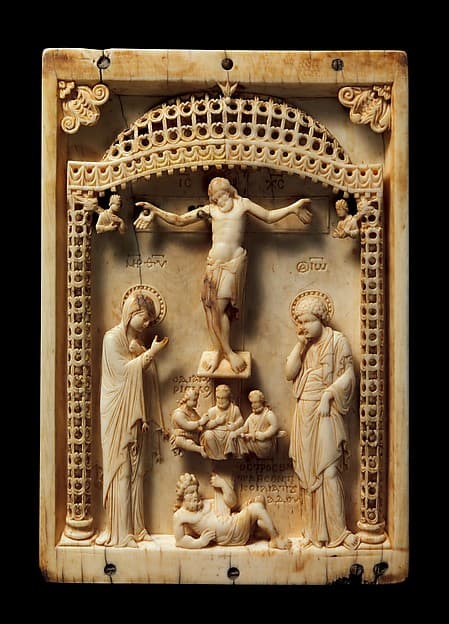
Icon with the Crucifixion
Artist not stated in the record · mid-10th century

Wood étagère from the Sugg McDonald House
Artist not stated in the record · ca. 1880
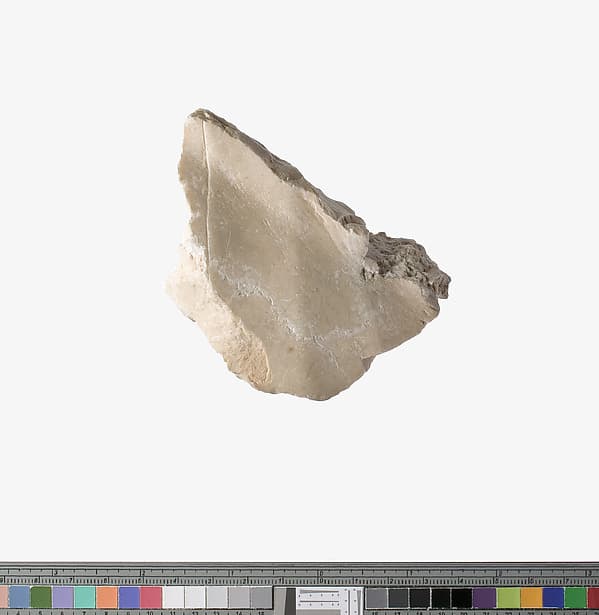
Body with pleated garment and edge of sash
Artist not stated in the record · ca. 1347–1330 BCE

Sewing sample
Artist not stated in the record · late 19th century

Fragment of the Upper Edge of Siptah's Canopic Chest
Artist not stated in the record · ca. 1208–1202 BCE

Tintype of Adela Harden
Artist not stated in the record · ca. 1900
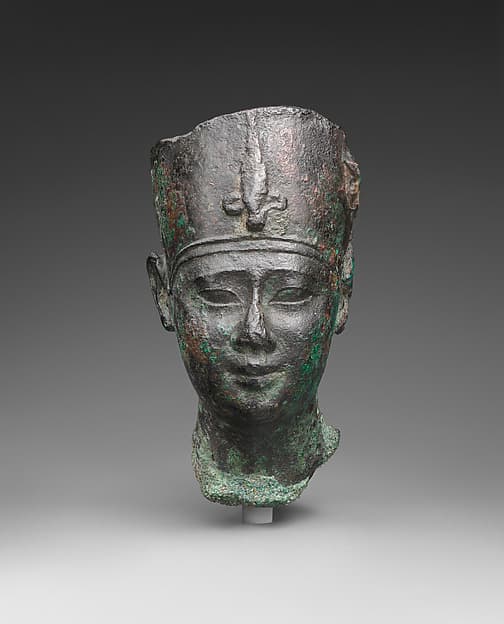
Head of Ptolemy II or III
Artist not stated in the record · 246–222 BCE

The Glorious Qur'an
Artist not stated in the record · 1975
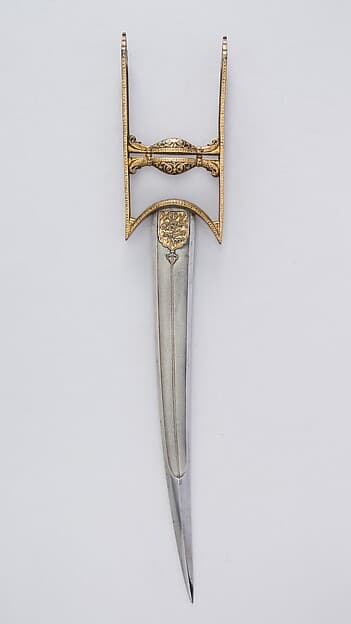
Dagger (Katar)
Artist not stated in the record · 18th century

Edge
Artist not stated in the record · 19th century
Where these records came from.
Two archives are wired, and only two. Each one is filtered on its own rights field — never on a title match, and never on the presence of an image file.
- The Met Collection API (Open Access)Rights field:
isPublicDomain. 51165 matched · 24 examined · 9 dropped by the rights gate. Kept only where isPublicDomain === true and a file URL was published.12 shown - Smithsonian Open Access API (api.si.edu)Rights field:
content.descriptiveNonRepeating.metadata_usage.access. 1688002 matched · 40 examined · 21 dropped by the rights gate. Kept only where metadata_usage.access === "CC0" and an image resource was published.12 shown
These figures describe the pass run at 2026-09-03 13:53 UTC, during this request. A completed pass is kept for 24 hours and replayed for an identical search, which is what keeps repeated queries inside Smithsonian’s 30-requests-per-hour allowance. A pass in which either archive failed to answer is never kept — an outage must not be replayed as though it were a finding about the catalogue.
Wikimedia Commons and the Library of Congress are deliberately not wired. Wikimedia was confirmed, on a live query, to return CC-BY material inside the same result set as genuine public domain works, and filtering it safely has not been designed yet. loc.gov was blocked by bot detection during the source evaluation, so its rights vocabulary has never been observed — and nothing here is built on a field nobody has read.
An image file is a rights claim. It never travels without its field.