 Open
OpenTwo archives, queried live.
Every record below comes from The Met or Smithsonian Open Access and was filtered on that archive’s own rights field before it reached this page. 24 shown for “Water lily attachment, probably for a processional barque” — 52 records examined, 26 dropped by the rights gate.
Archives queried 2026-09-02 04:58 UTC · fetched live for this request
isPublicDomain field is true for this object.metadata_usage.access reads CC0 — a waiver, not an expired term.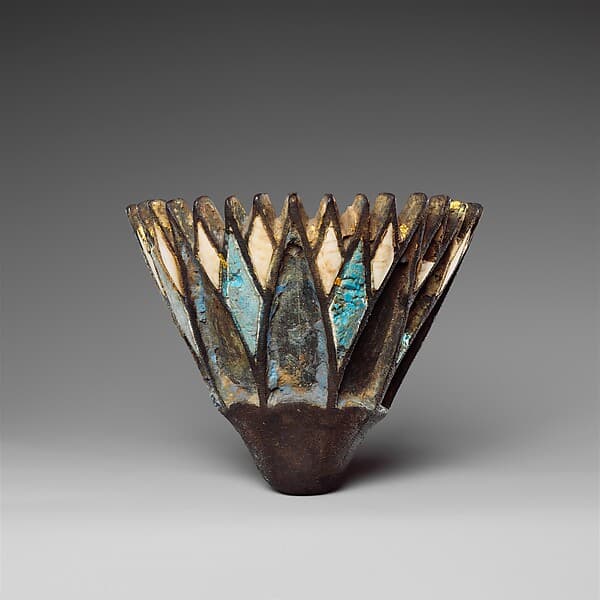
Water lily attachment, probably for a processional barque
Artist not stated in the record · ca. 1080–664 BCE or later

Design for a Processional Staff
Artist not stated in the record · 1750–1775

Processional Cross
Artist not stated in the record · ca. 1000–1050

Wall Decoration with Oriental Landscape, probably for Conservatory/Music Room, Royal Pavilion, Brighton
Frederick Crace, English, 1779–1859 · 1815–22
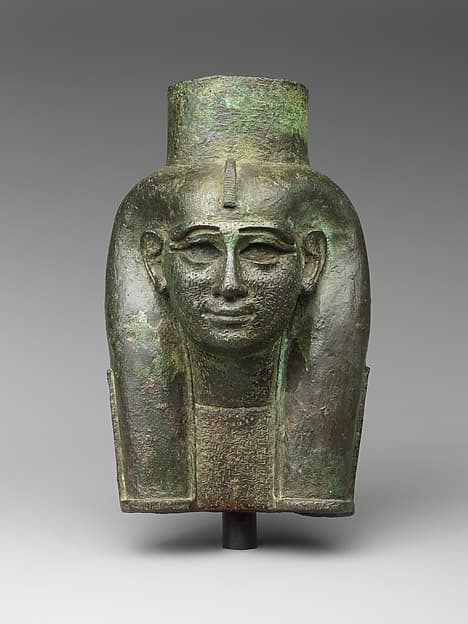
Head of a goddess, probably Mut, for attachment to a processional barque
Artist not stated in the record · ca. 721–664 BCE

Wall Fountain
Giuseppe Valadier, Italian, 1762–1839 · 1775
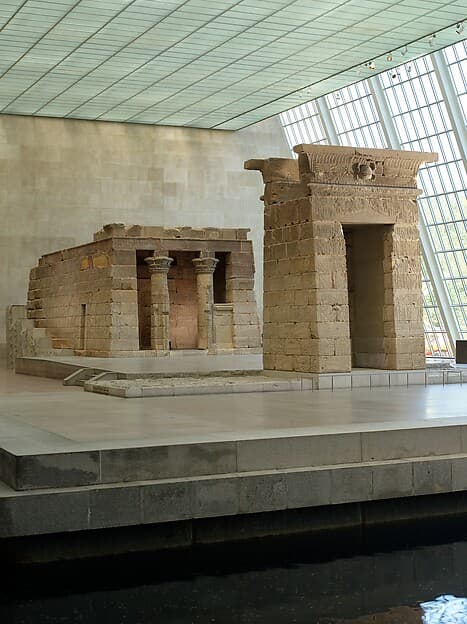
The Temple of Dendur
Artist not stated in the record · completed by 10 CE
Model, Mars Science Laboratory, Mars Rover Curiosity
Artist not stated in the record
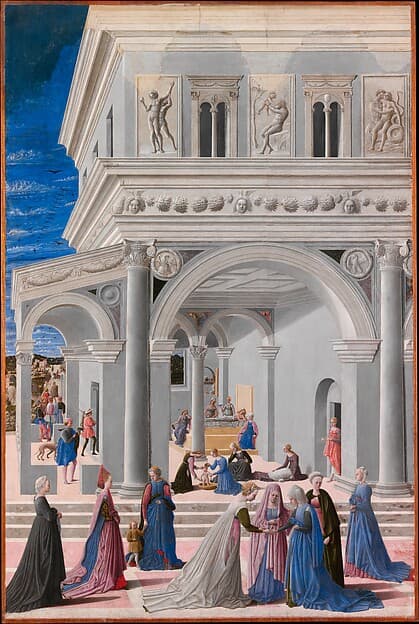
The Birth of the Virgin
Fra Carnevale (Bartolomeo di Giovanni Corradini) · 1467

Design for a Fountain
Artist not stated in the record · mid- 17th century
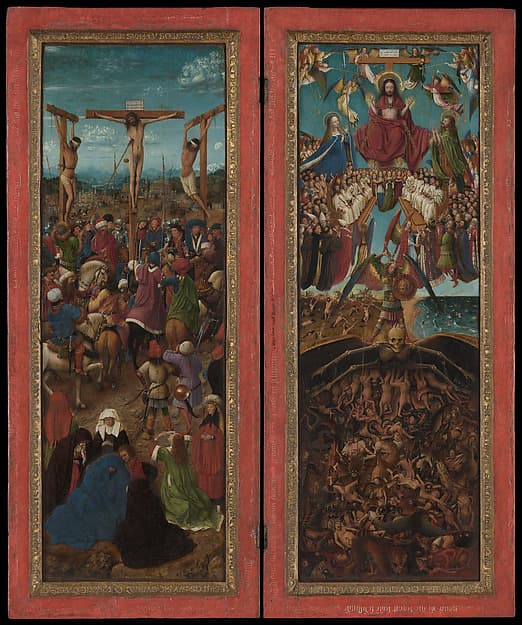
The Crucifixion; The Last Judgment
Jan van Eyck · ca. 1436–38

La Barque
Jan van Almeloveen, Dutch, born Mijdrecht, Netherlands ca. 1652-died Utrecht, Netherlands after 1683
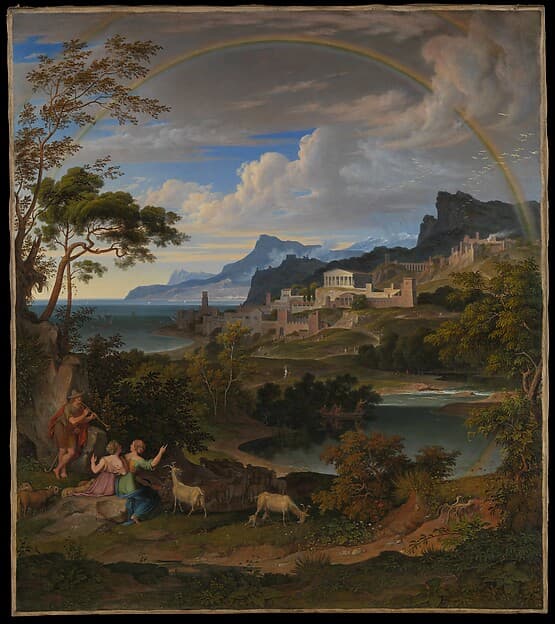
Heroic Landscape with Rainbow
Joseph Anton Koch · 1824

Trophy with Ecclesiastical Objects
Romolo Achille Liverani, Italian, 1809 - 1872 · 1830–1850
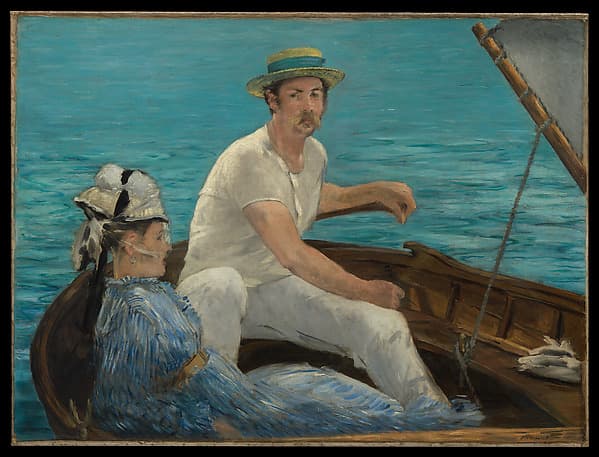
Boating
Edouard Manet · 1874

Design for a Hot Water Spout
Artist not stated in the record · late 18th century
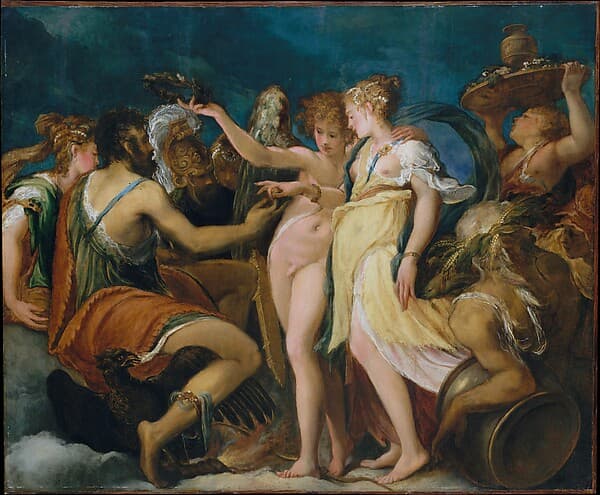
The Marriage of Cupid and Psyche
Andrea Schiavone (Andrea Meldola) · ca. 1540

Design for a Hot Water Spout
Artist not stated in the record · late 18th century
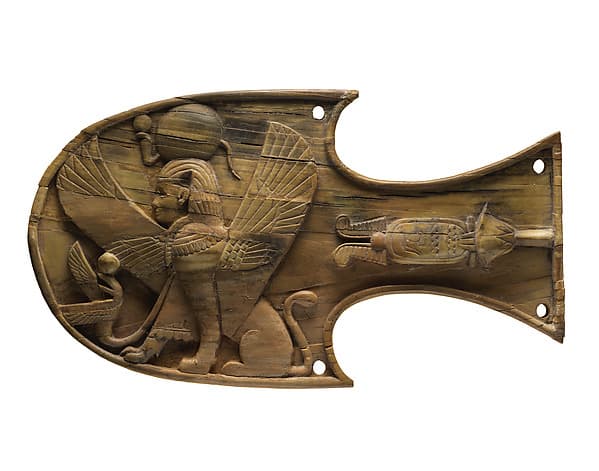
Horse blinker carved in relief with a seated sphinx
Artist not stated in the record · ca. 8th century BCE

Design for a Hot Water Spout
Artist not stated in the record · late 18th century

Autumn Trees and Grasses by a Stream
Artist not stated in the record · late 17th–early 18th century

Design for a Hot Water Spout
Artist not stated in the record · late 18th century

White Poppies on Gold Ground
Ogata Kōrin

Design for a Hot Water Spout
Artist not stated in the record · late 18th century
Where these records came from.
Two archives are wired, and only two. Each one is filtered on its own rights field — never on a title match, and never on the presence of an image file.
- The Met Collection API (Open Access)Rights field:
isPublicDomain. 12 matched · 12 examined · 0 dropped by the rights gate. Kept only where isPublicDomain === true and a file URL was published.12 shown - Smithsonian Open Access API (api.si.edu)Rights field:
content.descriptiveNonRepeating.metadata_usage.access. 2105569 matched · 40 examined · 26 dropped by the rights gate. Kept only where metadata_usage.access === "CC0" and an image resource was published.12 shown
These figures describe the pass run at 2026-09-02 04:58 UTC, during this request. A completed pass is kept for 24 hours and replayed for an identical search, which is what keeps repeated queries inside Smithsonian’s 30-requests-per-hour allowance. A pass in which either archive failed to answer is never kept — an outage must not be replayed as though it were a finding about the catalogue.
Wikimedia Commons and the Library of Congress are deliberately not wired. Wikimedia was confirmed, on a live query, to return CC-BY material inside the same result set as genuine public domain works, and filtering it safely has not been designed yet. loc.gov was blocked by bot detection during the source evaluation, so its rights vocabulary has never been observed — and nothing here is built on a field nobody has read.
An image file is a rights claim. It never travels without its field.