 Open
OpenTwo archives, queried live.
Every record below comes from The Met or Smithsonian Open Access and was filtered on that archive’s own rights field before it reached this page. 24 shown for “Wood violin and bow from the Sugg McDonald house” — 64 records examined, 29 dropped by the rights gate.
Archives queried 2026-09-04 19:33 UTC · fetched live for this request
isPublicDomain field is true for this object.metadata_usage.access reads CC0 — a waiver, not an expired term.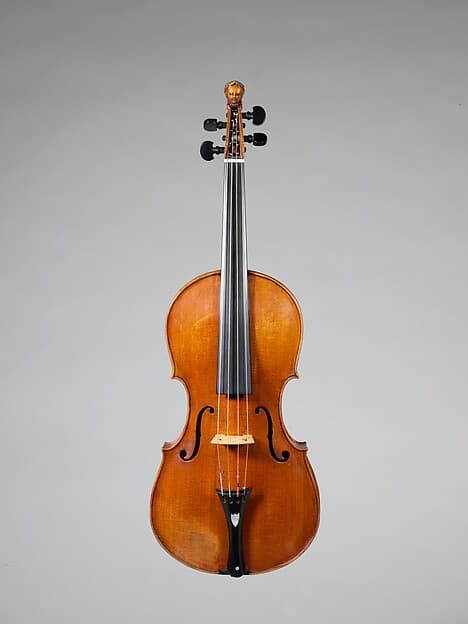
Violin
Joachim Tielke · ca. 1685

Wood violin and bow from the Sugg McDonald house
Artist not stated in the record · ca. 1700-1900
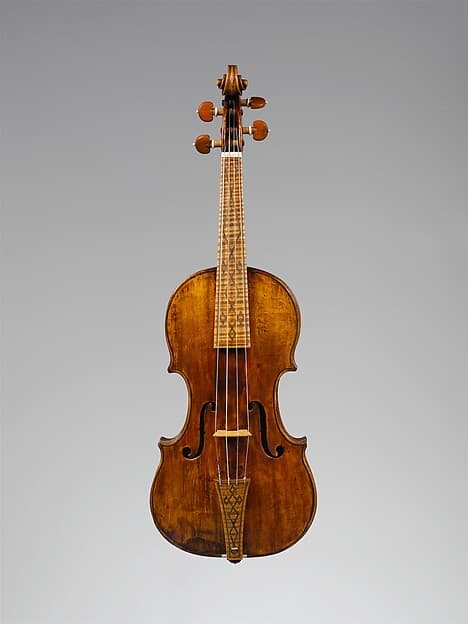
Violin
Nicolò Amati (Cremona 1596–1684 Cremona) · 1669

Wood étagère from the Sugg McDonald House
Artist not stated in the record · ca. 1880
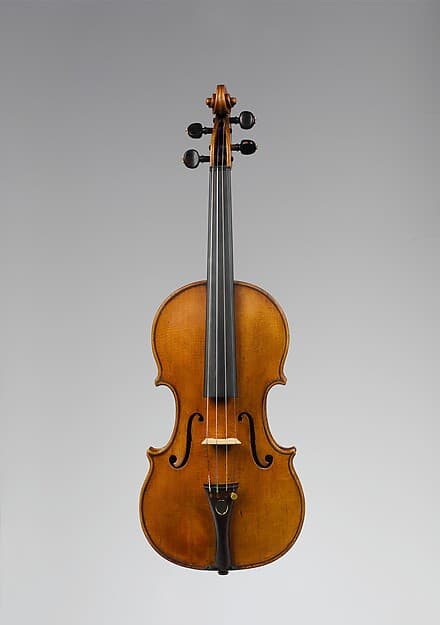
Violin
Antonio Gragnani · 1783

Wood handled and metal leatherworking edger
Artist not stated in the record · ca. 1850-1900
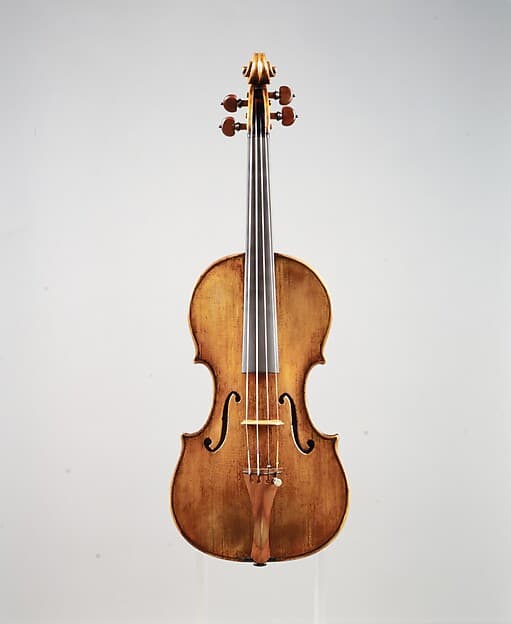
Violin
Carlo Antonio Testore · 1737

Victrola phonograph from the Sugg McDonald house
Artist not stated in the record · 1927-1928
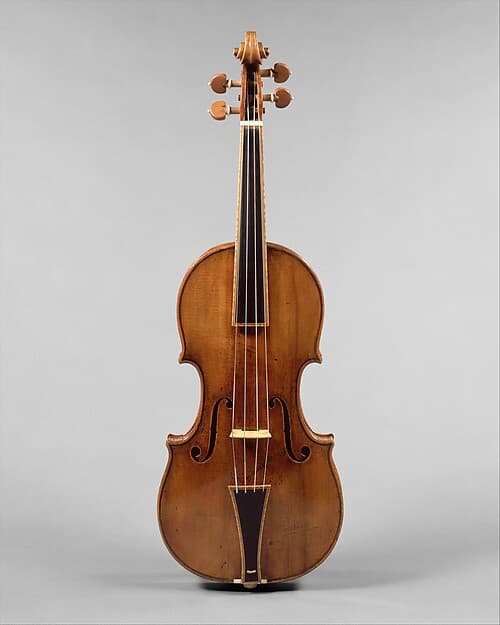
"Gould" Violin
Antonio Stradivari · 1693

Wood leatherworking slicker (scraping tool)
Artist not stated in the record · ca. 1850-1900
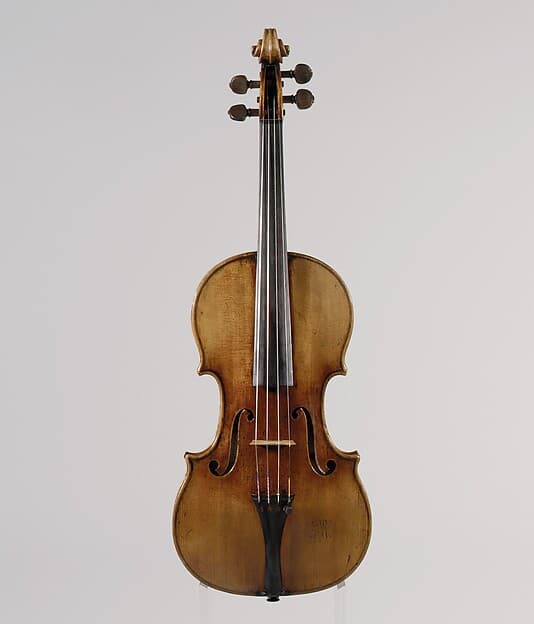
"Antonius" Violin
Antonio Stradivari · 1711

In The Shadow of the Pines
Artist not stated in the record · 1901
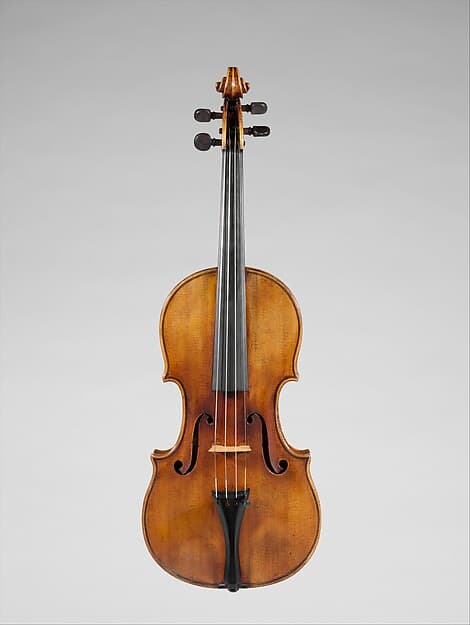
"Francesca" Violin
Antonio Stradivari · 1694

Tobie, I Kind o’ Likes You
Artist not stated in the record · 1903
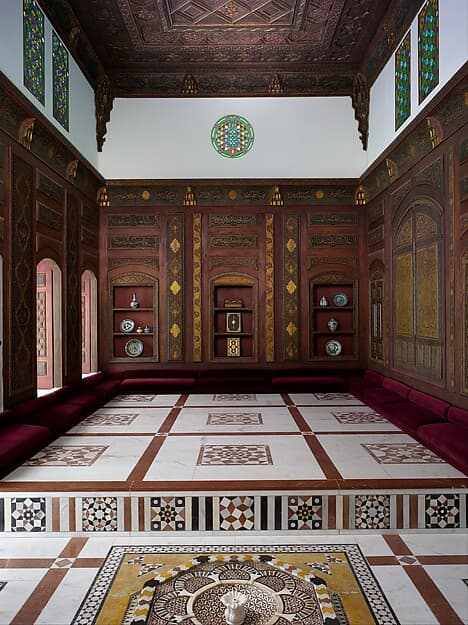
Damascus Room
Artist not stated in the record · dated 1119 AH/1707 CE

Violin played by the enslaved man Jesse Burke
Artist not stated in the record · 1850-1860
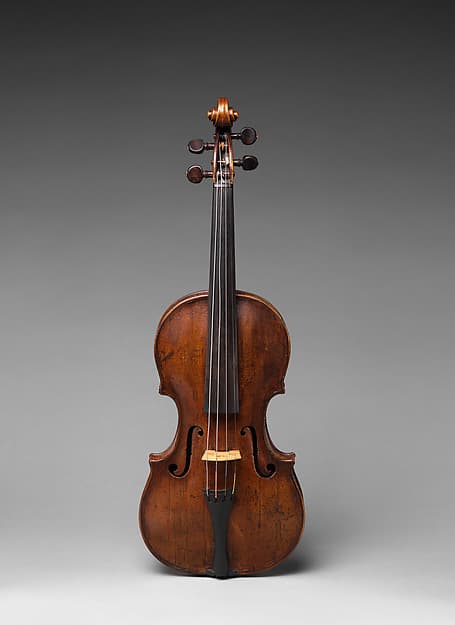
Violin
Lorenzo Carcassi · 1752

When The Moon Shines
Artist not stated in the record · 1904
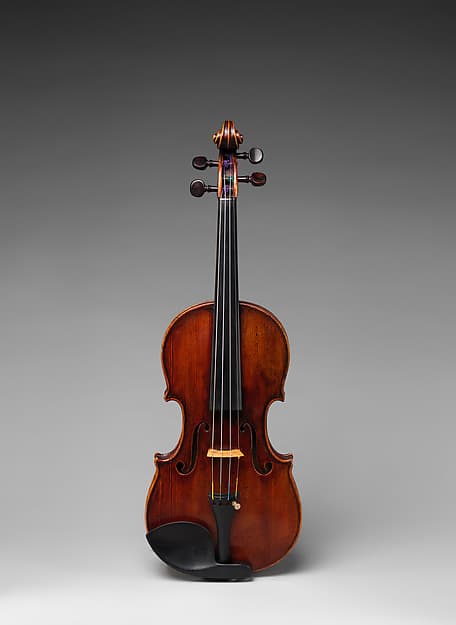
Violin
François-Louis Pique · 1803

Violin owned by Ginger Smock
Ferdinand August Homolka, Czech, 1828 - 1890 · 1849
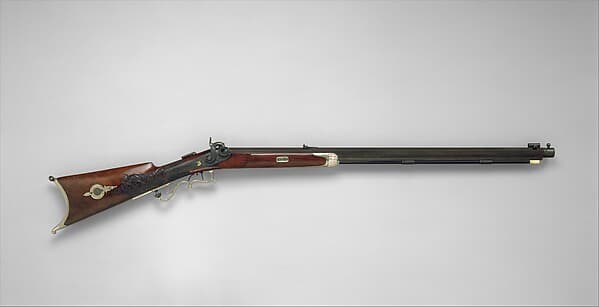
Percussion Target Rifle
Julius Grudchos · ca. 1855–60

Heirloom Saxon violin and bow
Artist not stated in the record · 1820s - 1870s
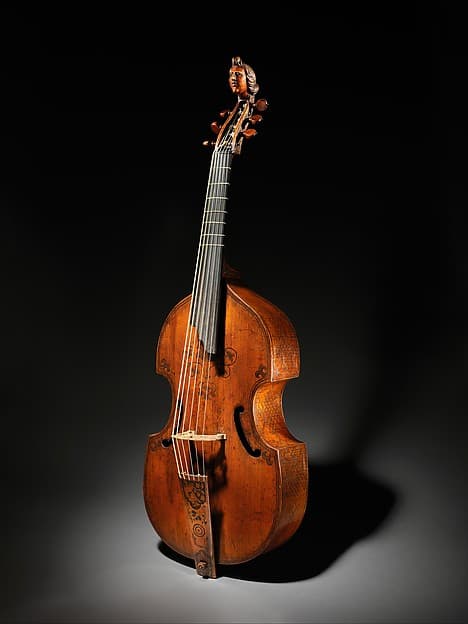
Division Viol
Richard Meares · ca. 1680

Case for heirloom Saxon violin and bow
Artist not stated in the record · late 19th century
Where these records came from.
Two archives are wired, and only two. Each one is filtered on its own rights field — never on a title match, and never on the presence of an image file.
- The Met Collection API (Open Access)Rights field:
isPublicDomain. 221 matched · 24 examined · 3 dropped by the rights gate. Kept only where isPublicDomain === true and a file URL was published.12 shown - Smithsonian Open Access API (api.si.edu)Rights field:
content.descriptiveNonRepeating.metadata_usage.access. 2189141 matched · 40 examined · 26 dropped by the rights gate. Kept only where metadata_usage.access === "CC0" and an image resource was published.12 shown
These figures describe the pass run at 2026-09-04 19:33 UTC, during this request. A completed pass is kept for 24 hours and replayed for an identical search, which is what keeps repeated queries inside Smithsonian’s 30-requests-per-hour allowance. A pass in which either archive failed to answer is never kept — an outage must not be replayed as though it were a finding about the catalogue.
Wikimedia Commons and the Library of Congress are deliberately not wired. Wikimedia was confirmed, on a live query, to return CC-BY material inside the same result set as genuine public domain works, and filtering it safely has not been designed yet. loc.gov was blocked by bot detection during the source evaluation, so its rights vocabulary has never been observed — and nothing here is built on a field nobody has read.
An image file is a rights claim. It never travels without its field.