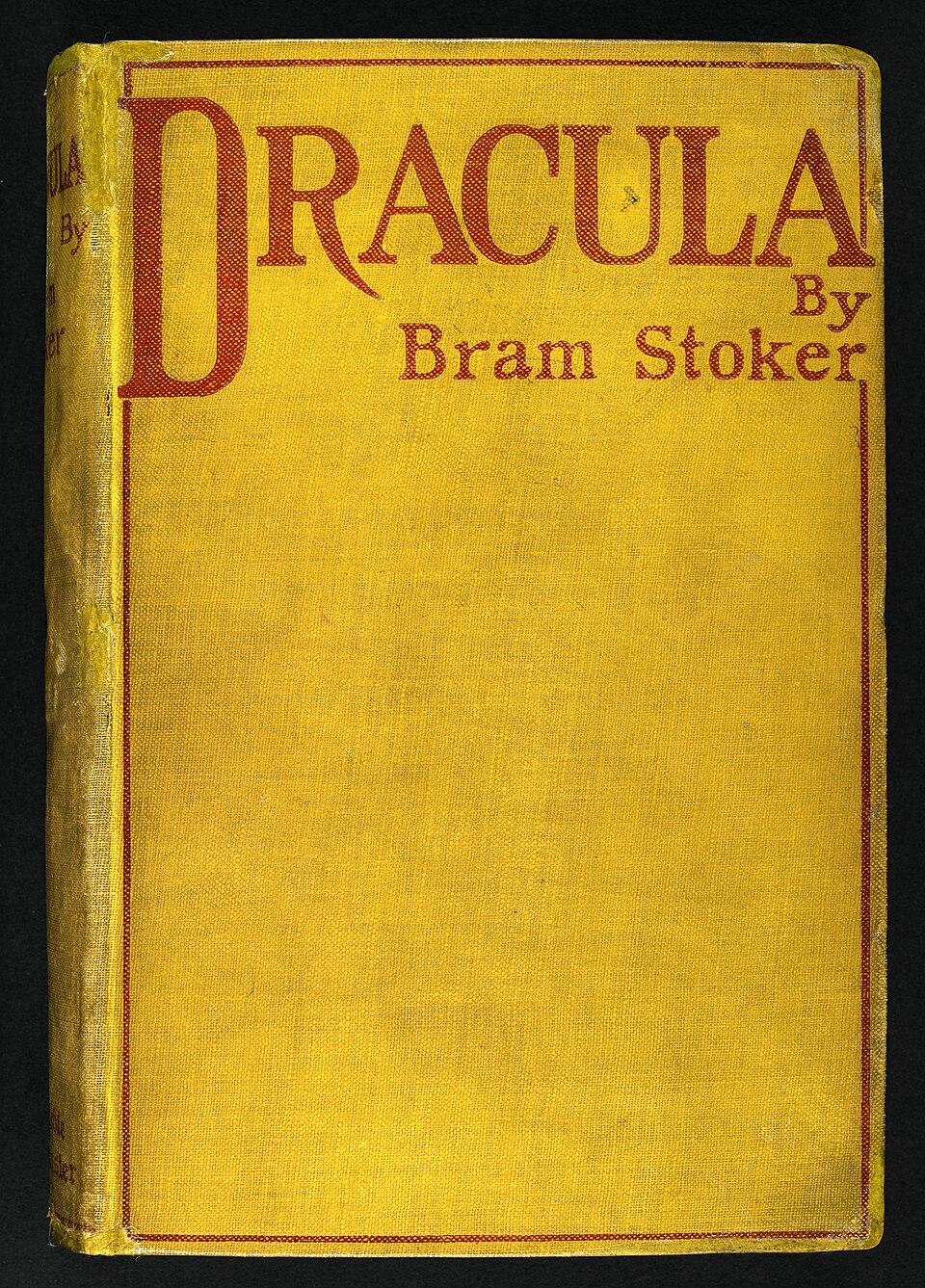
Bram Stoker’s 1897 novel Dracula — its text, plot, characters and settings — under US copyright law.
This point is held back from the free entry and appears in full in the character's dossier.
Not free to use
Universal’s 1931 film, which remains under US copyright until January 1, 2027 — including every still, poster, frame and the Lugosi performance and makeup.
This point is held back from the free entry and appears in full in the character's dossier.
This point is held back from the free entry and appears in full in the character's dossier.
This point is held back from the free entry and appears in full in the character's dossier.
4 more points on this determination are held back. The full list is in the full dossier →
About
Dracula is the aristocratic vampire of Transylvania created by Irish writer Bram Stoker in his 1897 novel of the same name. Told through letters, diary entries, and newspaper clippings, the book set much of the template modern audiences now expect from vampire fiction. Its Count went on to become one of the most filmed characters in history, starting with Universal’s iconic 1931 version starring Bela Lugosi.
Version scope
The 1897 novel — the count, the castle, the plot — is unambiguously public domain. The 1931 Universal film is a separate, later copyrighted work — its specific screen performance and makeup are not yet public domain; it enters US public domain January 1, 2027.
Trademark exposure
Low/moderate. Universal holds broader “Universal Monsters” branding, but “Dracula” itself isn’t gatekept the way Mickey or Zorro are.
Key case law
No major litigation — status is purely a function of the fixed statutory terms for the two separate works.
Informational, not legal advice
The cleanest illustration of “the work vs. this specific version.” Revisit this exact entry on 2027-01-01 — the film’s status flips. This determination is sourced and dated but is not a substitute for legal counsel — verify against primary sources before relying on it commercially.
The complete record: full publication history, the succession of rights holders, the term arithmetic, the expanded legal analysis, and the full source list available by unlocking the full dossier.
Each item carries the citation it was compiled from. Nothing is served here whose own rights status has not been checked separately from the character’s.
Binding design uncredited; photographic scan by the British Library Board. Bram Stoker, Dracula, first edition, 1897, 1897. Public domain — Wikimedia Commons, tagged {{PD-scan}} over {{PD-old-expired}}. Archive file page.
Why this file is free to useThe 1897 binding is long past any US copyright term, and a faithful photographic reproduction of a flat public domain work generates no new copyright of its own under US law — the reasoning in Bridgeman Art Library v. Corel Corp., 36 F. Supp. 2d 191 (S.D.N.Y. 1999), which is what the {{PD-scan}} tag records. Deliberately avoided: every still, poster and frame from Universal’s 1931 film, which remains under US copyright until January 1, 2027.
The complete record: full publication history, the succession of rights holders, the term arithmetic, the expanded legal analysis, and the full source list available by unlocking the full dossier.
Read before relying on itInformational, not legal advice. The dossier states its jurisdiction (United States), its review date, and its confidence value on the first page.
 Open